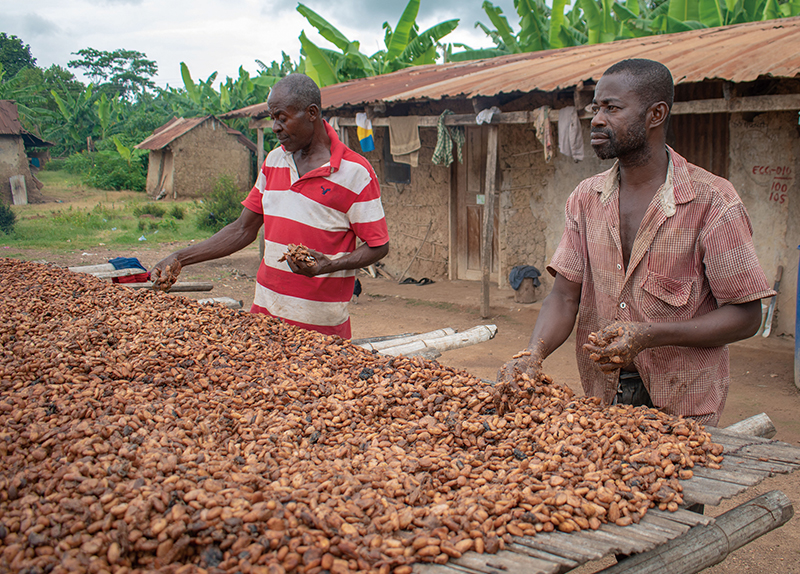
If your favorite chocolate bar tastes a little different, you’re not imagining it. Across West Africa, where most of the world’s cocoa is grown, climate change is reshaping the crop itself. Longer heat waves, unpredictable rainfall, and more days topping 32 degrees Celsius are cutting yields. Pests strike when trees are weakest, shrinking harvests even further, and driving cocoa prices to record highs.
When cocoa becomes costly, chocolate makers adapt. Some quietly reduce portion sizes, while others tweak recipes. A common adjustment is replacing part of the cocoa butter with other vegetable fats or using compound coatings that mimic the original texture. Once the cocoa content dips too low, labels shift from “milk chocolate” to “chocolate candy.” Sometimes, the change is even more subtle, with thinner coatings, smaller chips, or more sugar to fill the flavor gap.
But you feel the difference on your tongue. That chocolate you loved may seem less smooth and creamy, and not as rich, not because it’s stale, but because the formula has changed. We shouldn’t blame the factory or brand either, as the root cause lies far from the factory floor, in the fields where rising heat and erratic rains squeeze cocoa producers.
Looking ahead, two paths are taking shape: premium bars that preserve traditional recipes at higher prices or mass-market options that use less cocoa to stay affordable. Still, the crisis is driving innovation, from climate-resilient cocoa strains to soil-friendly farming and sustainable sourcing.
As for you, the consumer, every purchase sends a signal. To keep real chocolate alive, consumers may need to support brands investing in the farms that make it possible.