 What’s This About?
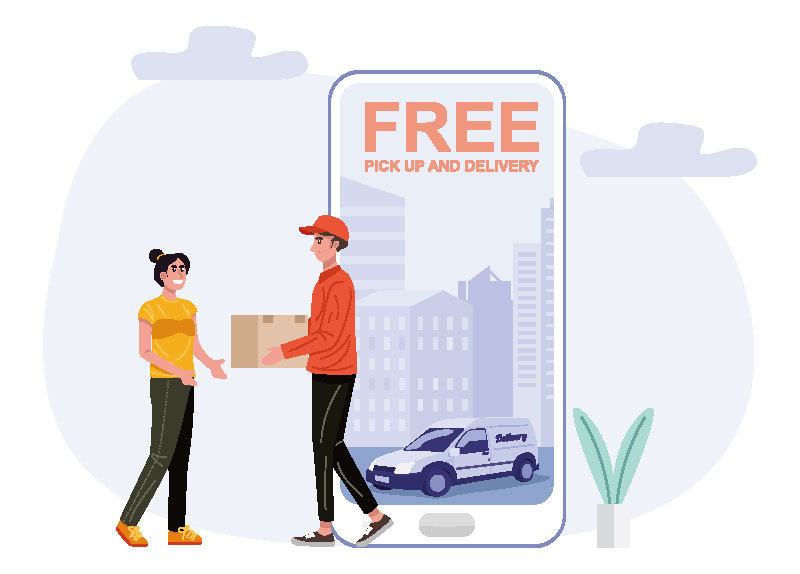
Free one-serving delivery promotions boost consumer satisfaction and order volume, but independent restaurants face price pressure, and delivery workers earn less per order. Critics say these services favor customers while unfairly burdening small businesses and frontline laborers. So, should restaurants offer free delivery if it comes at the expense of workers’ pay?
Constructive
Pro Peter
I believe delivery platforms are making meaningful progress by expanding free one-serving delivery services for individual households. While these promotions may seem primarily customer-focused, they can also benefit small restaurants with limited seating or niche menus. For instance, Baemin introduced its free one-serving delivery service last April, and Coupang Eats quickly followed due to strong consumer demand. The system benefits multiple parties: consumers enjoy convenient, stress-free meals after long workdays, restaurant owners can see higher revenue and reach new customers, and delivery workers gain more consistent order flow. In today’s fast-paced society, convenience is a major priority, and these services make daily life easier for many. By tailoring delivery options to the needs of single households, platforms are responding to modern demands while supporting businesses and workers.
Con Bella
If consumers aren’t paying for delivery, the cost is inevitably shifted onto others, creating an unfair system. Independent and franchise restaurants are affected differently. Platforms like Baemin and Coupang Eats often favor franchises, offering them more lenient terms. Independent restaurants must discount meals by up to 20% to participate in free one-serving delivery programs, while franchises typically face smaller discounts. Delivery workers have also seen their earnings decline since these policies were introduced, as platforms reduce delivery fees to subsidize free services. For restaurants, selling a single meal at a steep discount leaves minimal profit after factoring in ingredients, labor, and platform commissions. While the service may appear beneficial to consumers, it disproportionately advantages platform owners while placing financial strain on both workers and small businesses, raising questions about fairness and sustainability.
Rebuttal
Pro Peter
I acknowledge that free delivery policies can reduce income for delivery workers, but the benefits for society, consumers, and businesses are substantial. With single-person households now making up over 30% of the population, one-serving delivery meets a real societal need for convenience and accessibility. Small restaurants may face short-term challenges selling meals at discounted rates, but free delivery can increase exposure, attract new customers, and help build loyalty over time. Platforms like Baemin and Coupang Eats give lesser-known eateries a valuable opportunity to grow their presence and expand their customer base. By encouraging more frequent orders, these services can boost overall revenue and customer engagement. In today’s fast-paced food culture, one-serving free delivery supports both consumers seeking convenience and businesses aiming to adapt and thrive.
Con Bella
I understand that free one-serving delivery appeals to many consumers, but its impact on restaurant owners and delivery workers cannot be ignored. Small restaurants face financial strain: increased orders require faster turnaround, more packaging, and higher operational costs, often without guaranteed profit. Limited staff and seating can lead to overextension, and platform commissions further erode thin margins. Claims that delivery workers also benefit are exaggerated. More orders can mean tighter schedules, longer hours, and higher fuel costs, and without proportional pay increases, workers effectively do more for less. Additionally, the convenience for consumers can foster dependency on instant gratification, contributing to increased packaging waste and environmental strain. While free delivery seems helpful, it risks exploiting labor and pressuring small businesses in ways that are neither fair nor sustainable.
Judge’s Comments
Free delivery offers convenience for consumers and potential growth for restaurants, but it can reduce earnings for delivery workers and strain small businesses. Balancing accessibility with fair compensation is essential to ensure the system benefits all participants sustainably.