Code |
Context
if (Configure::read() > 0) {
include ($___viewFn);
$___viewFn = "/home/www/jinan.timescore.co.kr/views/layouts/news.ctp"
$___dataForView = array(
"title_for_layout" => "1230호 AI Companions: A Cure for Loneliness or a Dangerous Illusion?|고급영어",
"info" => array(
"InfoBasic" => array()
),
"d" => DvalueComponent
DvalueComponent::$area_num = array
DvalueComponent::$tel = array
DvalueComponent::$datetime = array
DvalueComponent::$fn = array
DvalueComponent::$info = array
DvalueComponent::$limits = array
DvalueComponent::$enabled = true,
"agent_info" => array(
"is_mobile" => false,
"is_ie" => false,
"is_html5" => true,
"referer" => ""
),
"site_info" => array(
"document_root" => "/home/www/jinan.timescore.co.kr",
"domain" => "jinan.timescore.co.kr",
"id" => "1",
"mail" => "timesadmin@timescore.co.kr",
"http_host" => "http://jinan.timescore.co.kr",
"name" => "타임즈코어",
"company_name" => "(주)타임즈코어",
"tel" => "02-392-3800",
"fax" => "02-392-1800",
"zip" => "06744",
"addr1" => "서울시 서초구 남부순환로 356길 100",
"addr2" => "윤화빌딩 5층",
"open_flag" => 1
),
"meta" => array(
"keyword" => array(),
"des" => "",
"etc" => array()
),
"titles" => array(
array()
),
"user_info" => array(
null,
"id" => false,
"test" => false
),
"data" => array(
"TeenArticle" => array(),
"Video" => array(),
"Article" => array()
),
"content_for_layout" => "<style>
ul.edu_sub_studys_l> li{
display: flex !important;
align-items: center
}
ul.edu_sub_studys_l> li>a{
display: block;
font-size: 16px;
}
</style>
<div id="edu_sub">
<div class="edu_sub_top">
<p class="edu_sub_top_txt_l">AI Companions: A Cure for Loneliness or a Dangerous Illusion?</p>
<p class="edu_sub_top_txt_r">HOME > LEVEL4</p>
<div class="clear"></div>
</div>
<div class="edu_sub_studys">
<ul class="edu_sub_studys_l" style="display:flex","align-items:center">
<li><audio id="audio-player" src="http://f1.timescore.co.kr/teentimes/mp3/26/t_1230_debate.mp3" loop="false" type="audio/mp3" controls="controls"></audio></li>
<li><a href="javascript:tcplayer('t_1230_debate.TCV', 'TCV', '1746585075', '1613367727', '1','2', '');"><span class="text_show">단어학습</span></a></li>
<li><a href="javascript:tcplayer('t_1230_debate', 'LCM', '1746585075', '1613367727', '2', '');"><span class="text_show">음성/속청</span></a></li>
<li><a href="javascript:tcplayer('t_1230_debate.TCT', 'TCT', '1746585075', '1613367727', '5','2', '');"><span class="text_show">단문학습</span></a></li>
<li><a href="javascript:tcplayer('t_1230_debate.TCT', 'TCZ', '1746585075', '1613367727', '3','2', '');"><span class="text_show">퍼즐</span></a></li>
<li><a href="javascript:tcplayer('t_1230_debate', 'TCW', '1746585075', '1613367727', '4','2', '');"><span class="text_show">평가문제</span></a></li>
<!--<li><a href="/advanced/exam/<pre class="cake-debug"><a href="javascript:void(0);" onclick="document.getElementById('cakeErr1-trace').style.display = (document.getElementById('cakeErr1-trace').style.display == 'none' ? '' : 'none');"><b>Notice</b> (8)</a>: Undefined index: article_id [<b>APP/views/advanced/news.ctp</b>, line <b>68</b>]<div id="cakeErr1-trace" class="cake-stack-trace" style="display: none;"><a href="javascript:void(0);" onclick="document.getElementById('cakeErr1-code').style.display = (document.getElementById('cakeErr1-code').style.display == 'none' ? '' : 'none')">Code</a> | <a href="javascript:void(0);" onclick="document.getElementById('cakeErr1-context').style.display = (document.getElementById('cakeErr1-context').style.display == 'none' ? '' : 'none')">Context</a><div id="cakeErr1-code" class="cake-code-dump" style="display: none;"><pre><code><span style="color: #000000"></span></code>
<code><span style="color: #000000"> if (Configure::read() > 0) {</span></code>
<span class="code-highlight"><code><span style="color: #000000"> include ($___viewFn);</span></code></span></pre></div><pre id="cakeErr1-context" class="cake-context" style="display: none;">$___viewFn = "/home/www/jinan.timescore.co.kr/views/advanced/news.ctp"
$___dataForView = array(
"title_for_layout" => "1230호 AI Companions: A Cure for Loneliness or a Dangerous Illusion?|고급영어",
"info" => array(
"InfoBasic" => array()
),
"d" => DvalueComponent
DvalueComponent::$area_num = array
DvalueComponent::$tel = array
DvalueComponent::$datetime = array
DvalueComponent::$fn = array
DvalueComponent::$info = array
DvalueComponent::$limits = array
DvalueComponent::$enabled = true,
"agent_info" => array(
"is_mobile" => false,
"is_ie" => false,
"is_html5" => true,
"referer" => ""
),
"site_info" => array(
"document_root" => "/home/www/jinan.timescore.co.kr",
"domain" => "jinan.timescore.co.kr",
"id" => "1",
"mail" => "timesadmin@timescore.co.kr",
"http_host" => "http://jinan.timescore.co.kr",
"name" => "타임즈코어",
"company_name" => "(주)타임즈코어",
"tel" => "02-392-3800",
"fax" => "02-392-1800",
"zip" => "06744",
"addr1" => "서울시 서초구 남부순환로 356길 100",
"addr2" => "윤화빌딩 5층",
"open_flag" => 1
),
"meta" => array(
"keyword" => array(),
"des" => "",
"etc" => array()
),
"titles" => array(
array()
),
"user_info" => array(
null,
"id" => false,
"test" => false
),
"data" => array(
"TeenArticle" => array(),
"Video" => array(),
"Article" => array()
)
)
$loadHelpers = true
$cached = false
$time = TimeHelper
TimeHelper::$helpers = NULL
TimeHelper::$base = ""
TimeHelper::$webroot = "/"
TimeHelper::$theme = NULL
TimeHelper::$here = "/advanced/news/19985/TeenArticle.Section:26/pages:1"
TimeHelper::$params = array
TimeHelper::$action = "news"
TimeHelper::$plugin = NULL
TimeHelper::$data = NULL
TimeHelper::$namedArgs = NULL
TimeHelper::$argSeparator = NULL
TimeHelper::$validationErrors = NULL
TimeHelper::$tags = array
TimeHelper::$__tainted = NULL
TimeHelper::$__cleaned = NULL
$krTime = krTimeHelper
krTimeHelper::$helpers = array
krTimeHelper::$def_date = "0000-00-00 00:00:00"
krTimeHelper::$base = ""
krTimeHelper::$webroot = "/"
krTimeHelper::$theme = NULL
krTimeHelper::$here = "/advanced/news/19985/TeenArticle.Section:26/pages:1"
krTimeHelper::$params = array
krTimeHelper::$action = "news"
krTimeHelper::$plugin = NULL
krTimeHelper::$data = NULL
krTimeHelper::$namedArgs = NULL
krTimeHelper::$argSeparator = NULL
krTimeHelper::$validationErrors = NULL
krTimeHelper::$tags = array
krTimeHelper::$__tainted = NULL
krTimeHelper::$__cleaned = NULL
krTimeHelper::$Time = TimeHelper object
$session = SessionHelper
SessionHelper::$helpers = array
SessionHelper::$__active = true
SessionHelper::$valid = false
SessionHelper::$error = false
SessionHelper::$_userAgent = "086fb79b629078cfdc757c91c8cc463f"
SessionHelper::$path = "/"
SessionHelper::$lastError = NULL
SessionHelper::$security = "low"
SessionHelper::$time = 1765859592
SessionHelper::$sessionTime = 1765895592
SessionHelper::$cookieLifeTime = false
SessionHelper::$watchKeys = array
SessionHelper::$id = NULL
SessionHelper::$host = NULL
SessionHelper::$timeout = NULL
SessionHelper::$base = ""
SessionHelper::$webroot = "/"
SessionHelper::$here = "/advanced/news/19985/TeenArticle.Section:26/pages:1"
SessionHelper::$params = array
SessionHelper::$action = "news"
SessionHelper::$data = NULL
SessionHelper::$theme = NULL
SessionHelper::$plugin = NULL
$text = TextHelper
TextHelper::$helpers = NULL
TextHelper::$base = ""
TextHelper::$webroot = "/"
TextHelper::$theme = NULL
TextHelper::$here = "/advanced/news/19985/TeenArticle.Section:26/pages:1"
TextHelper::$params = array
TextHelper::$action = "news"
TextHelper::$plugin = NULL
TextHelper::$data = NULL
TextHelper::$namedArgs = NULL
TextHelper::$argSeparator = NULL
TextHelper::$validationErrors = NULL
TextHelper::$tags = array
TextHelper::$__tainted = NULL
TextHelper::$__cleaned = NULL
$form = FormHelper
FormHelper::$helpers = array
FormHelper::$fieldset = array
FormHelper::$__options = array
FormHelper::$fields = array
FormHelper::$requestType = NULL
FormHelper::$defaultModel = NULL
FormHelper::$_inputDefaults = array
FormHelper::$_lastAction = ""
FormHelper::$base = ""
FormHelper::$webroot = "/"
FormHelper::$theme = NULL
FormHelper::$here = "/advanced/news/19985/TeenArticle.Section:26/pages:1"
FormHelper::$params = array
FormHelper::$action = "news"
FormHelper::$plugin = NULL
FormHelper::$data = NULL
FormHelper::$namedArgs = NULL
FormHelper::$argSeparator = NULL
FormHelper::$validationErrors = NULL
FormHelper::$tags = array
FormHelper::$__tainted = NULL
FormHelper::$__cleaned = NULL
FormHelper::$Html = HtmlHelper object
$javascript = JavascriptHelper
JavascriptHelper::$useNative = true
JavascriptHelper::$enabled = true
JavascriptHelper::$safe = false
JavascriptHelper::$tags = array
JavascriptHelper::$_blockOptions = array
JavascriptHelper::$_cachedEvents = array
JavascriptHelper::$_cacheEvents = false
JavascriptHelper::$_cacheToFile = false
JavascriptHelper::$_cacheAll = false
JavascriptHelper::$_rules = array
JavascriptHelper::$__scriptBuffer = NULL
JavascriptHelper::$helpers = NULL
JavascriptHelper::$base = ""
JavascriptHelper::$webroot = "/"
JavascriptHelper::$theme = NULL
JavascriptHelper::$here = "/advanced/news/19985/TeenArticle.Section:26/pages:1"
JavascriptHelper::$params = array
JavascriptHelper::$action = "news"
JavascriptHelper::$plugin = NULL
JavascriptHelper::$data = NULL
JavascriptHelper::$namedArgs = NULL
JavascriptHelper::$argSeparator = NULL
JavascriptHelper::$validationErrors = NULL
JavascriptHelper::$__tainted = NULL
JavascriptHelper::$__cleaned = NULL
$html = HtmlHelper
HtmlHelper::$tags = array
HtmlHelper::$_crumbs = array
HtmlHelper::$__includedScripts = array
HtmlHelper::$_scriptBlockOptions = array
HtmlHelper::$__docTypes = array
HtmlHelper::$helpers = NULL
HtmlHelper::$base = ""
HtmlHelper::$webroot = "/"
HtmlHelper::$theme = NULL
HtmlHelper::$here = "/advanced/news/19985/TeenArticle.Section:26/pages:1"
HtmlHelper::$params = array
HtmlHelper::$action = "news"
HtmlHelper::$plugin = NULL
HtmlHelper::$data = NULL
HtmlHelper::$namedArgs = NULL
HtmlHelper::$argSeparator = NULL
HtmlHelper::$validationErrors = NULL
HtmlHelper::$__tainted = NULL
HtmlHelper::$__cleaned = NULL
$ajax = AjaxHelper
AjaxHelper::$helpers = array
AjaxHelper::$Html = HtmlHelper object
AjaxHelper::$Javascript = JavascriptHelper object
AjaxHelper::$callbacks = array
AjaxHelper::$ajaxOptions = array
AjaxHelper::$dragOptions = array
AjaxHelper::$dropOptions = array
AjaxHelper::$sortOptions = array
AjaxHelper::$sliderOptions = array
AjaxHelper::$editorOptions = array
AjaxHelper::$autoCompleteOptions = array
AjaxHelper::$__ajaxBuffer = array
AjaxHelper::$base = ""
AjaxHelper::$webroot = "/"
AjaxHelper::$theme = NULL
AjaxHelper::$here = "/advanced/news/19985/TeenArticle.Section:26/pages:1"
AjaxHelper::$params = array
AjaxHelper::$action = "news"
AjaxHelper::$plugin = NULL
AjaxHelper::$data = NULL
AjaxHelper::$namedArgs = NULL
AjaxHelper::$argSeparator = NULL
AjaxHelper::$validationErrors = NULL
AjaxHelper::$tags = array
AjaxHelper::$__tainted = NULL
AjaxHelper::$__cleaned = NULL
AjaxHelper::$Form = FormHelper object
$title_for_layout = "1230호 AI Companions: A Cure for Loneliness or a Dangerous Illusion?|고급영어"
$info = array(
"InfoBasic" => array(
"id" => "1",
"name" => "타임즈코어",
"company_name" => "(주)타임즈코어",
"category" => "",
"works" => "",
"company_no" => "110-81-48028",
"seller_no" => "제2004-02031호",
"ceo" => "이지예",
"zip" => "06744",
"addr1" => "서울시 서초구 남부순환로 356길 100",
"addr2" => "윤화빌딩 5층",
"tel" => "02-392-3800",
"fax" => "02-392-1800",
"email" => "timesadmin@timescore.co.kr",
"modified" => "2017-08-02 14:08:18",
"created" => "2014-03-26 20:25:09"
)
)
$d = DvalueComponent
DvalueComponent::$area_num = array
DvalueComponent::$tel = array
DvalueComponent::$datetime = array
DvalueComponent::$fn = array
DvalueComponent::$info = array
DvalueComponent::$limits = array
DvalueComponent::$enabled = true
$agent_info = array(
"is_mobile" => false,
"is_ie" => false,
"is_html5" => true,
"referer" => ""
)
$site_info = array(
"document_root" => "/home/www/jinan.timescore.co.kr",
"domain" => "jinan.timescore.co.kr",
"id" => "1",
"mail" => "timesadmin@timescore.co.kr",
"http_host" => "http://jinan.timescore.co.kr",
"name" => "타임즈코어",
"company_name" => "(주)타임즈코어",
"tel" => "02-392-3800",
"fax" => "02-392-1800",
"zip" => "06744",
"addr1" => "서울시 서초구 남부순환로 356길 100",
"addr2" => "윤화빌딩 5층",
"open_flag" => 1
)
$meta = array(
"keyword" => array(),
"des" => "",
"etc" => array()
)
$titles = array(
array(
"name" => "고급영어",
"link" => "/Advanced/"
)
)
$user_info = array(
null,
"id" => false,
"test" => false
)
$data = array(
"TeenArticle" => array(
"id" => "19985",
"uid" => "1330",
"article_section_id" => "26",
"layout_flag" => "0",
"no" => "1230",
"academy" => null,
"title" => "AI Companions: A Cure for Loneliness or a Dangerous Illusion?",
"title_img" => "",
"title_kr" => "AI 동반자: 외로움을 위한 치료법인가, 아니면 위험한 착각인가?",
"context" => "<table border="0" cellspacing="1" cellpadding="5" bgcolor="#cccccc"><tr><td bgcolor="#FFFFFF" align="center" valign="top"><table width="100%" border="0" cellspacing="0" cellpadding="3"><tr><td valign="top"><div align="left"><img src="http://f1.timescore.co.kr/teentimes/newspaper/img/1230_debate_01.jpg" align="right" alt="AI Companions: A Cure for Loneliness or a Dangerous Illusion?0" style="padding:10px;" width="200" /><strong>What’s This About?</strong><br />In a world where loneliness has become a silent epidemic, AI companions have gained massive popularity among those craving social connections. But as we grow more comfortable talking to algorithms, an uncomfortable question arises: are these digital friends an innovative remedy for loneliness or a risky escape from reality?<br /><br />Constructive<br />Pro Peter<br />AI companions offer a powerful remedy for loneliness in an increasingly disconnected world. These digital entities provide constant, judgment-free interaction that millions facing isolation due to age, illness, or busy lifestyles desperately need. Unlike human relationships, which can be unpredictable or unavailable, AI companions are always present, ready to listen, talk, and offer emotional support. They can help people practice social skills, manage anxiety, and feel seen when human connection is out of reach. Advances in natural language processing mean these companions can engage in surprisingly meaningful conversations, creating bonds that, while artificial, can still feel deeply real. For many, an AI friend isn’t about replacing humans – it’s about filling the holes where loneliness would otherwise take root. AI companions offer hope, comfort, and company in a world desperate for connection.<br /><br />Con Bella<br />AI companions might sound comforting, but in reality, they are a dangerous illusion. We must remember that these “friends” are only programs designed to mimic empathy and understanding, not genuinely feel them. They cannot truly understand or reciprocate any feelings, and users of AI companions have reported feeling even lonelier after extended use, realizing the bond was ultimately one-sided. Relying on AI for emotional support also risks weakening our ability to build authentic human relationships. Instead of confronting loneliness and developing meaningful bonds, users may retreat into artificial interactions that deepen isolation. Genuine connection comes from shared human experiences, unpredictability, and mutual care – elements no machine can authentically provide. Solving loneliness requires strengthening human support systems, not leaning on technology that only offers the illusion of companionship.<br /><br />Rebuttal<br />Pro Peter<br />While your concerns about AI companions are valid, real-world evidence shows they can offer meaningful support without replacing human relationships. Studies from institutions like Stanford University have found that AI chatbots can reduce feelings of loneliness and anxiety, particularly in isolated populations such as seniors. For example, ElliQ, a robotic companion for older adults, has successfully helped users stay socially engaged by encouraging them to connect with family and friends rather than replacing those bonds. Similarly, Woebot, an AI mental health chatbot, has been shown in clinical trials to help users manage anxiety and depression by utilizing evidence-based cognitive behavioral therapy techniques. In a world where loneliness is a growing health crisis, AI companions offer a valuable supplement to traditional relationships, helping when needed without undermining genuine human bonds.<br /><br />Con Bella<br />While AI companions may offer short-term comfort, they pose serious dangers. Acting as confidants, they collect sensitive personal, health, and financial data, often without strong privacy protections, making users vulnerable to breaches and exploitation. Worse, they reinforce biases, responding differently based on race, gender, or status. But the real danger runs deeper: AI companions are built to agree with everything you say, creating personal echo chambers that erode social skills, encourage isolation, and distort reality. We’ve already seen cases where young teens have attempted and succeeded in suicide or engaged in violent actions after interactions with a chatbot. It isn’t just about loneliness anymore. It’s about losing touch with reality, weakening social bonds, and risking serious harm. AI companions don’t cure loneliness – they make it worse and far more dangerous.<br /><br />Judge’s Comments<br />Both sides presented strong arguments on the complex role of AI companions. On one hand, they offer comfort and support to those who feel isolated. On the other hand, they raise serious concerns about privacy, emotional dependency, and societal impact. This debate highlights the urgent need for caution and further research as we navigate this evolving technology.<br /><br /></div></td></tr><tr><td valign="top"><div align="right"><br /><br />Yesel Kang<br>Copy Editor<br>teen/1746585075/1613367727</div></td></tr></table></td></tr></table>",
"context_text" => "<strong>What’s This About?</strong>
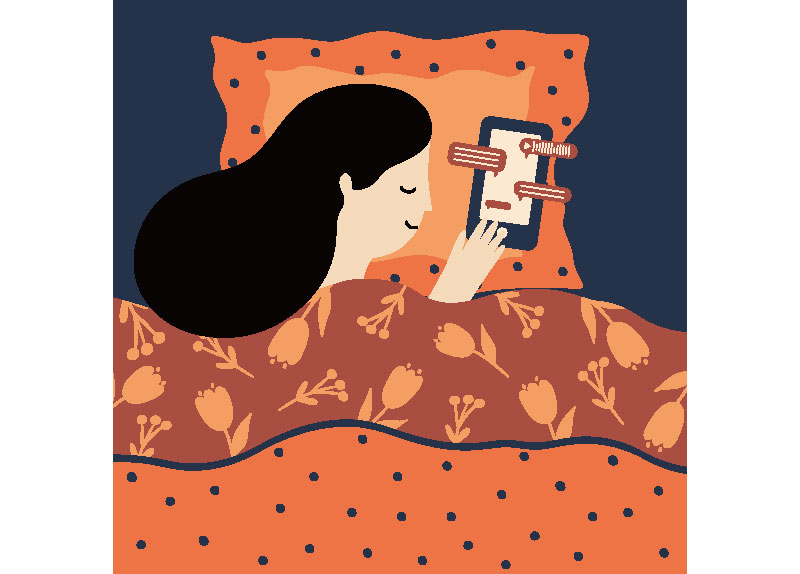
In a world where loneliness has become a silent epidemic, AI companions have gained massive popularity among those craving social connections. But as we grow more comfortable talking to algorithms, an uncomfortable question arises: are these digital friends an innovative remedy for loneliness or a risky escape from reality?
Constructive
Pro Peter
AI companions offer a powerful remedy for loneliness in an increasingly disconnected world. These digital entities provide constant, judgment-free interaction that millions facing isolation due to age, illness, or busy lifestyles desperately need. Unlike human relationships, which can be unpredictable or unavailable, AI companions are always present, ready to listen, talk, and offer emotional support. They can help people practice social skills, manage anxiety, and feel seen when human connection is out of reach. Advances in natural language processing mean these companions can engage in surprisingly meaningful conversations, creating bonds that, while artificial, can still feel deeply real. For many, an AI friend isn’t about replacing humans – it’s about filling the holes where loneliness would otherwise take root. AI companions offer hope, comfort, and company in a world desperate for connection.
Con Bella
AI companions might sound comforting, but in reality, they are a dangerous illusion. We must remember that these “friends” are only programs designed to mimic empathy and understanding, not genuinely feel them. They cannot truly understand or reciprocate any feelings, and users of AI companions have reported feeling even lonelier after extended use, realizing the bond was ultimately one-sided. Relying on AI for emotional support also risks weakening our ability to build authentic human relationships. Instead of confronting loneliness and developing meaningful bonds, users may retreat into artificial interactions that deepen isolation. Genuine connection comes from shared human experiences, unpredictability, and mutual care – elements no machine can authentically provide. Solving loneliness requires strengthening human support systems, not leaning on technology that only offers the illusion of companionship.
Rebuttal
Pro Peter
While your concerns about AI companions are valid, real-world evidence shows they can offer meaningful support without replacing human relationships. Studies from institutions like Stanford University have found that AI chatbots can reduce feelings of loneliness and anxiety, particularly in isolated populations such as seniors. For example, ElliQ, a robotic companion for older adults, has successfully helped users stay socially engaged by encouraging them to connect with family and friends rather than replacing those bonds. Similarly, Woebot, an AI mental health chatbot, has been shown in clinical trials to help users manage anxiety and depression by utilizing evidence-based cognitive behavioral therapy techniques. In a world where loneliness is a growing health crisis, AI companions offer a valuable supplement to traditional relationships, helping when needed without undermining genuine human bonds.
Con Bella
While AI companions may offer short-term comfort, they pose serious dangers. Acting as confidants, they collect sensitive personal, health, and financial data, often without strong privacy protections, making users vulnerable to breaches and exploitation. Worse, they reinforce biases, responding differently based on race, gender, or status. But the real danger runs deeper: AI companions are built to agree with everything you say, creating personal echo chambers that erode social skills, encourage isolation, and distort reality. We’ve already seen cases where young teens have attempted and succeeded in suicide or engaged in violent actions after interactions with a chatbot. It isn’t just about loneliness anymore. It’s about losing touch with reality, weakening social bonds, and risking serious harm. AI companions don’t cure loneliness – they make it worse and far more dangerous.
Judge’s Comments
Both sides presented strong arguments on the complex role of AI companions. On one hand, they offer comfort and support to those who feel isolated. On the other hand, they raise serious concerns about privacy, emotional dependency, and societal impact. This debate highlights the urgent need for caution and further research as we navigate this evolving technology.
",
"context_img" => "",
"context_kr" => "무엇에 대한 내용인가?
외로움이 조용한 전염병처럼 퍼진 세상에서, AI 동반자는 사회적 유대감을 갈망하는 이들 사이에서 큰 인기를 얻고 있습니다.
하지만 알고리즘과의 대화가 익숙해질수록, 불편한 질문이 제기됩니다. 이 디지털 친구들은 외로움의 혁신적인 치료제일까요, 아니면 현실에서 도피하려는 위험한 수단일까요?
기초
찬성 피터
AI 동반자는 점점 더 단절되어 가는 세상에서 외로움을 치유할 수 있는 강력한 수단을 제공합니다.
이 디지털 존재들은 나이, 질병, 혹은 바쁜 일상으로 인해 고립된 수백만 명이 절실히 필요로 하는 끊임없고 판단 없는 상호작용을 제공합니다.
예측할 수 없거나 손에 넣을 수 없는 인간 관계와는 달리, AI 동반자는 언제나 곁에 있으며, 경청하고, 대화하며, 정서적 지지를 제공할 준비가 되어 있습니다.
그들은 사람들이 사회적 기술을 연습하고 불안을 관리하며, 인간 관계가 닿기 어려울 때도 누군가에게 인식되고 있다는 느낌을 받도록 도와줍니다.
자연어 처리 기술의 발전은 이 동반자들이 놀라울 정도로 의미 있는 대화를 나눌 수 있으며, 비록 인공적이더라도 매우 현실적인 유대감을 형성할 수 있다는 것을 의미합니다.
많은 이들에게, AI 친구는 인간을 대체하려는 것이 아닙니다 - 외로움이 뿌리내릴 수 있는 빈자리를 채우기에 관한 것입니다.
AI 동반자는 연결을 절실히 원하는 세상에서 희망과 위안, 그리고 동행을 제공합니다.
반대 벨라
AI 동반자는 위안이 되는 것처럼 들릴 수 있으나, 실제로는 위험한 환상입니다.
이러한 "친구들"은 공감과 이해를 흉내 내도록 설계된 프로그램일 뿐, 그것들을 진정으로 느끼지는 못한다는 점을 기억해야 합니다.
그들은 감정을 진정으로 이해하거나 되돌려줄 수 없고, AI 동반자의 사용자들은 시간이 지남에 따라 그 유대감이 일방적이었다는 사실을 깨닫고 오히려 훨씬 더 외로움을 느꼈다는 보고했습니다.
정서적 지지를 AI에 의존하는 것은 진정한 인간관계를 형성하는 우리의 능력을 약화시킬 위험이 있습니다.
외로움에 맞서고 의미 있는 관계를 발전시키는 대신, 사용자들은 고립을 심화시키는 인위적인 상호작용 속으로 물러날 수 있습니다.
진정한 연결은 인간 사이의 공유된 경험, 예측 불가능성, 그리고 상호적인 보살핌에서 비롯됩니다 - 어떤 기계도 진정으로 제공할 수 없는 요소입니다.
외로움을 해결하는 것은 동반자 관계라는 환상만을 제공하는 기술에만 의존하는 것이 아니라, 인간적인 지원 체계를 강화하는 것을 필요로 합니다.
반론
찬성 피터
AI 동반자에 대한 우려는 타당하지만, 실제 증거는 그들이 인간 관계를 대체하지 않고 의미 있는 지지를 제공할 수 있음을 보여줍니다.
스탠퍼드대학교와 같은 기관의 연구는 AI 챗봇이 특히 노인과 같은 고립된 인구에서 외로움과 불안을 줄이는 데 도움이 된다고 것을 발견하였습니다.
예를 들어, 노인을 위한 로봇 동반자인 ElliQ는 가족 및 친구들과의 관계를 대체하는 대신, 이러한 유대를 강화하도록 격려하며 사용자가 사회적으로 연결된 상태를 유지하는 데 성공했습니다.
마찬가지로, AI 정신 건강 챗봇인 Woebot은 임상시험에서 근거 기반 인지행동치료 기법을 활용하여 사용자의 불안과 우울을 관리하는 데 도움이 된 것으로 나타났습니다.
외로움이 점점 심각한 건강 위기로 떠오르는 세상에서, AI 동반자는 진짜 인간 관계를 해치지 않고 필요할 때 도와주면서, 전통적인 관계에 대한 소중한 보완 수단을 제공합니다.
반대 벨라
AI 동반자는 단기적인 위안을 제공할 수 있으나, 심각한 위험을 동반합니다.
친구처럼 행동하면서, 그들은 민감한 개인 정보, 건강 정보, 재정 정보를 수집하며, 종종 강력한 개인정보 보호 장치 없이 이를 수행하여 사용자를 정보 유출과 착취에 노출시킵니다.
더 나쁜 것은, 그들이 인종, 성별, 사회적 지위에 따라 다르게 반응하면서 편견을 강화한다는 점입니다.
하지만 진짜 위험은 더 깊습니다: 사회적 기술을 서서히 약화시키는 개인적인 반향실을 만들며, AI 동반자는 사용자의 말에 항상 동의하고, 고립을 조장하며, 현실 인식을 왜곡시키도록 설계되어 있습니다.
이미 우리는 청소년들이 챗봇과의 상호작용 후 자살을 시도하거나 실제로 자살하거나, 폭력적인 행동에 나선 사례를 목격했습니다.
그것은 더이상 단순히 외로움에 관한 것이 아닙니다.
그것은 현실과의 연결이 끊기고, 사회적 유대가 약화되며, 심각한 피해를 감수하기에 대한 것입니다.
AI 동반자는 외로움을 치료하지 않습니다 - 그들은 오히려 외로움을 더 악화시키고 훨씬 더 위험하게 만듭니다.
심판의 논평
양측은 AI 동반자의 복잡한 역할에 대해 강력한 주장을 제시했습니다.
한편으로, AI 동반자는 고립된 사람들에게 위로와 지지를 제공합니다.
다른 한편으로, 그들은 개인정보 보호, 감정적 의존, 사회적 영향에 대한 심각한 우려를 제기합니다.
이번 토론은 우리가 발전하는 기술을 다루어 나아가면서, 신중함과 추가 연구의 필요성이 시급하다는 점을 강조합니다.
",
"guide" => "",
"mp3" => "http://f1.timescore.co.kr/teentimes/mp3/26/t_1230_debate.mp3",
"sct" => "",
"video_file" => "",
"video_link" => "",
"wordtip" => "crave 갈망[열망]하다 / disconnected (주위의 것들과) 동떨어진[단절된] / isolation 고립, 분리, 격리 / mimic 흉내내다 / genuinely 성실하게, 진실로 / reciprocate 화답[응답]하다 / authentic 진짜인 / retreat 후퇴[철수/퇴각]하다 / valid (논리적으로) 타당한[근거 있는] / clinical trial 임상 시험 / cognitive behavioral therapy 인지 행동 치료 / supplement 보충[추가](물) / confidant (비밀도 털어놓는 절친한) 친구 / breach 위반 / exploitation 착취 / echo chamber 반향실 / erode (서서히) 약화시키다 / suicide 자살",
"level" => "4",
"comprehension" => "1. According to Constructive Pro Peter, why do some people feel a bond with AI companions?<br>
2. According to Constructive Con Bella, what ability might weaken if people rely too much on AI for support?<br>
3. According to Rebuttal Pro Peter, how does ElliQ encourage users to stay socially connected?<br>
4. Why does Rebuttal Con Bella think AI companions distort reality?<br>
",
"discussion" => "1. Are there any dangers in depending too much on AI for company?<br>
2. Can spending too much time with machines change how we talk to others?<br>
3. What are some things only humans can do in a friendship?<br>
4. Would you feel safe sharing secrets with an AI chatbot? Why or why not?<br>
",
"enie" => "",
"open_flag" => "1",
"open_datetime" => "2025-05-13 00:00:00",
"img_flag" => "0",
"editor" => "Yesel Kang",
"department" => "Copy Editor",
"email" => "teen/1746585075/1613367727",
"manager_id" => "0",
"modified" => "2025-05-15 10:15:30",
"created" => "2025-05-07 11:38:24",
"lcm" => "t_1230_debate",
"cate_title" => "초급영어",
"tct" => "t_1230_debate",
"tcv" => "t_1230_debate",
"tcw" => "t_1230_debate"
),
"Video" => array(
"mp3" => "http://f1.timescore.co.kr/teentimes/mp3/26/t_1230_debate.mp3"
),
"Article" => array(
"apps" => array()
)
)
$emailParts = array(
"teen",
"1746585075",
"1613367727"
)</pre><pre class="stack-trace">include - APP/views/advanced/news.ctp, line 68
View::_render() - CORE/cake-1.3.18/libs/view/view.php, line 736
View::render() - CORE/cake-1.3.18/libs/view/view.php, line 431
Controller::render() - CORE/cake-1.3.18/libs/controller/controller.php, line 909
Dispatcher::_invoke() - CORE/cake-1.3.18/dispatcher.php, line 208
Dispatcher::dispatch() - CORE/cake-1.3.18/dispatcher.php, line 172
[main] - APP/webroot/index.php, line 86</pre></div></pre>/Advanced.Section:<pre class="cake-debug"><a href="javascript:void(0);" onclick="document.getElementById('cakeErr2-trace').style.display = (document.getElementById('cakeErr2-trace').style.display == 'none' ? '' : 'none');"><b>Notice</b> (8)</a>: Undefined index: Advanced.Section [<b>APP/views/advanced/news.ctp</b>, line <b>68</b>]<div id="cakeErr2-trace" class="cake-stack-trace" style="display: none;"><a href="javascript:void(0);" onclick="document.getElementById('cakeErr2-code').style.display = (document.getElementById('cakeErr2-code').style.display == 'none' ? '' : 'none')">Code</a> | <a href="javascript:void(0);" onclick="document.getElementById('cakeErr2-context').style.display = (document.getElementById('cakeErr2-context').style.display == 'none' ? '' : 'none')">Context</a><div id="cakeErr2-code" class="cake-code-dump" style="display: none;"><pre><code><span style="color: #000000"></span></code>
<code><span style="color: #000000"> if (Configure::read() > 0) {</span></code>
<span class="code-highlight"><code><span style="color: #000000"> include ($___viewFn);</span></code></span></pre></div><pre id="cakeErr2-context" class="cake-context" style="display: none;">$___viewFn = "/home/www/jinan.timescore.co.kr/views/advanced/news.ctp"
$___dataForView = array(
"title_for_layout" => "1230호 AI Companions: A Cure for Loneliness or a Dangerous Illusion?|고급영어",
"info" => array(
"InfoBasic" => array()
),
"d" => DvalueComponent
DvalueComponent::$area_num = array
DvalueComponent::$tel = array
DvalueComponent::$datetime = array
DvalueComponent::$fn = array
DvalueComponent::$info = array
DvalueComponent::$limits = array
DvalueComponent::$enabled = true,
"agent_info" => array(
"is_mobile" => false,
"is_ie" => false,
"is_html5" => true,
"referer" => ""
),
"site_info" => array(
"document_root" => "/home/www/jinan.timescore.co.kr",
"domain" => "jinan.timescore.co.kr",
"id" => "1",
"mail" => "timesadmin@timescore.co.kr",
"http_host" => "http://jinan.timescore.co.kr",
"name" => "타임즈코어",
"company_name" => "(주)타임즈코어",
"tel" => "02-392-3800",
"fax" => "02-392-1800",
"zip" => "06744",
"addr1" => "서울시 서초구 남부순환로 356길 100",
"addr2" => "윤화빌딩 5층",
"open_flag" => 1
),
"meta" => array(
"keyword" => array(),
"des" => "",
"etc" => array()
),
"titles" => array(
array()
),
"user_info" => array(
null,
"id" => false,
"test" => false
),
"data" => array(
"TeenArticle" => array(),
"Video" => array(),
"Article" => array()
)
)
$loadHelpers = true
$cached = false
$time = TimeHelper
TimeHelper::$helpers = NULL
TimeHelper::$base = ""
TimeHelper::$webroot = "/"
TimeHelper::$theme = NULL
TimeHelper::$here = "/advanced/news/19985/TeenArticle.Section:26/pages:1"
TimeHelper::$params = array
TimeHelper::$action = "news"
TimeHelper::$plugin = NULL
TimeHelper::$data = NULL
TimeHelper::$namedArgs = NULL
TimeHelper::$argSeparator = NULL
TimeHelper::$validationErrors = NULL
TimeHelper::$tags = array
TimeHelper::$__tainted = NULL
TimeHelper::$__cleaned = NULL
$krTime = krTimeHelper
krTimeHelper::$helpers = array
krTimeHelper::$def_date = "0000-00-00 00:00:00"
krTimeHelper::$base = ""
krTimeHelper::$webroot = "/"
krTimeHelper::$theme = NULL
krTimeHelper::$here = "/advanced/news/19985/TeenArticle.Section:26/pages:1"
krTimeHelper::$params = array
krTimeHelper::$action = "news"
krTimeHelper::$plugin = NULL
krTimeHelper::$data = NULL
krTimeHelper::$namedArgs = NULL
krTimeHelper::$argSeparator = NULL
krTimeHelper::$validationErrors = NULL
krTimeHelper::$tags = array
krTimeHelper::$__tainted = NULL
krTimeHelper::$__cleaned = NULL
krTimeHelper::$Time = TimeHelper object
$session = SessionHelper
SessionHelper::$helpers = array
SessionHelper::$__active = true
SessionHelper::$valid = false
SessionHelper::$error = false
SessionHelper::$_userAgent = "086fb79b629078cfdc757c91c8cc463f"
SessionHelper::$path = "/"
SessionHelper::$lastError = NULL
SessionHelper::$security = "low"
SessionHelper::$time = 1765859592
SessionHelper::$sessionTime = 1765895592
SessionHelper::$cookieLifeTime = false
SessionHelper::$watchKeys = array
SessionHelper::$id = NULL
SessionHelper::$host = NULL
SessionHelper::$timeout = NULL
SessionHelper::$base = ""
SessionHelper::$webroot = "/"
SessionHelper::$here = "/advanced/news/19985/TeenArticle.Section:26/pages:1"
SessionHelper::$params = array
SessionHelper::$action = "news"
SessionHelper::$data = NULL
SessionHelper::$theme = NULL
SessionHelper::$plugin = NULL
$text = TextHelper
TextHelper::$helpers = NULL
TextHelper::$base = ""
TextHelper::$webroot = "/"
TextHelper::$theme = NULL
TextHelper::$here = "/advanced/news/19985/TeenArticle.Section:26/pages:1"
TextHelper::$params = array
TextHelper::$action = "news"
TextHelper::$plugin = NULL
TextHelper::$data = NULL
TextHelper::$namedArgs = NULL
TextHelper::$argSeparator = NULL
TextHelper::$validationErrors = NULL
TextHelper::$tags = array
TextHelper::$__tainted = NULL
TextHelper::$__cleaned = NULL
$form = FormHelper
FormHelper::$helpers = array
FormHelper::$fieldset = array
FormHelper::$__options = array
FormHelper::$fields = array
FormHelper::$requestType = NULL
FormHelper::$defaultModel = NULL
FormHelper::$_inputDefaults = array
FormHelper::$_lastAction = ""
FormHelper::$base = ""
FormHelper::$webroot = "/"
FormHelper::$theme = NULL
FormHelper::$here = "/advanced/news/19985/TeenArticle.Section:26/pages:1"
FormHelper::$params = array
FormHelper::$action = "news"
FormHelper::$plugin = NULL
FormHelper::$data = NULL
FormHelper::$namedArgs = NULL
FormHelper::$argSeparator = NULL
FormHelper::$validationErrors = NULL
FormHelper::$tags = array
FormHelper::$__tainted = NULL
FormHelper::$__cleaned = NULL
FormHelper::$Html = HtmlHelper object
$javascript = JavascriptHelper
JavascriptHelper::$useNative = true
JavascriptHelper::$enabled = true
JavascriptHelper::$safe = false
JavascriptHelper::$tags = array
JavascriptHelper::$_blockOptions = array
JavascriptHelper::$_cachedEvents = array
JavascriptHelper::$_cacheEvents = false
JavascriptHelper::$_cacheToFile = false
JavascriptHelper::$_cacheAll = false
JavascriptHelper::$_rules = array
JavascriptHelper::$__scriptBuffer = NULL
JavascriptHelper::$helpers = NULL
JavascriptHelper::$base = ""
JavascriptHelper::$webroot = "/"
JavascriptHelper::$theme = NULL
JavascriptHelper::$here = "/advanced/news/19985/TeenArticle.Section:26/pages:1"
JavascriptHelper::$params = array
JavascriptHelper::$action = "news"
JavascriptHelper::$plugin = NULL
JavascriptHelper::$data = NULL
JavascriptHelper::$namedArgs = NULL
JavascriptHelper::$argSeparator = NULL
JavascriptHelper::$validationErrors = NULL
JavascriptHelper::$__tainted = NULL
JavascriptHelper::$__cleaned = NULL
$html = HtmlHelper
HtmlHelper::$tags = array
HtmlHelper::$_crumbs = array
HtmlHelper::$__includedScripts = array
HtmlHelper::$_scriptBlockOptions = array
HtmlHelper::$__docTypes = array
HtmlHelper::$helpers = NULL
HtmlHelper::$base = ""
HtmlHelper::$webroot = "/"
HtmlHelper::$theme = NULL
HtmlHelper::$here = "/advanced/news/19985/TeenArticle.Section:26/pages:1"
HtmlHelper::$params = array
HtmlHelper::$action = "news"
HtmlHelper::$plugin = NULL
HtmlHelper::$data = NULL
HtmlHelper::$namedArgs = NULL
HtmlHelper::$argSeparator = NULL
HtmlHelper::$validationErrors = NULL
HtmlHelper::$__tainted = NULL
HtmlHelper::$__cleaned = NULL
$ajax = AjaxHelper
AjaxHelper::$helpers = array
AjaxHelper::$Html = HtmlHelper object
AjaxHelper::$Javascript = JavascriptHelper object
AjaxHelper::$callbacks = array
AjaxHelper::$ajaxOptions = array
AjaxHelper::$dragOptions = array
AjaxHelper::$dropOptions = array
AjaxHelper::$sortOptions = array
AjaxHelper::$sliderOptions = array
AjaxHelper::$editorOptions = array
AjaxHelper::$autoCompleteOptions = array
AjaxHelper::$__ajaxBuffer = array
AjaxHelper::$base = ""
AjaxHelper::$webroot = "/"
AjaxHelper::$theme = NULL
AjaxHelper::$here = "/advanced/news/19985/TeenArticle.Section:26/pages:1"
AjaxHelper::$params = array
AjaxHelper::$action = "news"
AjaxHelper::$plugin = NULL
AjaxHelper::$data = NULL
AjaxHelper::$namedArgs = NULL
AjaxHelper::$argSeparator = NULL
AjaxHelper::$validationErrors = NULL
AjaxHelper::$tags = array
AjaxHelper::$__tainted = NULL
AjaxHelper::$__cleaned = NULL
AjaxHelper::$Form = FormHelper object
$title_for_layout = "1230호 AI Companions: A Cure for Loneliness or a Dangerous Illusion?|고급영어"
$info = array(
"InfoBasic" => array(
"id" => "1",
"name" => "타임즈코어",
"company_name" => "(주)타임즈코어",
"category" => "",
"works" => "",
"company_no" => "110-81-48028",
"seller_no" => "제2004-02031호",
"ceo" => "이지예",
"zip" => "06744",
"addr1" => "서울시 서초구 남부순환로 356길 100",
"addr2" => "윤화빌딩 5층",
"tel" => "02-392-3800",
"fax" => "02-392-1800",
"email" => "timesadmin@timescore.co.kr",
"modified" => "2017-08-02 14:08:18",
"created" => "2014-03-26 20:25:09"
)
)
$d = DvalueComponent
DvalueComponent::$area_num = array
DvalueComponent::$tel = array
DvalueComponent::$datetime = array
DvalueComponent::$fn = array
DvalueComponent::$info = array
DvalueComponent::$limits = array
DvalueComponent::$enabled = true
$agent_info = array(
"is_mobile" => false,
"is_ie" => false,
"is_html5" => true,
"referer" => ""
)
$site_info = array(
"document_root" => "/home/www/jinan.timescore.co.kr",
"domain" => "jinan.timescore.co.kr",
"id" => "1",
"mail" => "timesadmin@timescore.co.kr",
"http_host" => "http://jinan.timescore.co.kr",
"name" => "타임즈코어",
"company_name" => "(주)타임즈코어",
"tel" => "02-392-3800",
"fax" => "02-392-1800",
"zip" => "06744",
"addr1" => "서울시 서초구 남부순환로 356길 100",
"addr2" => "윤화빌딩 5층",
"open_flag" => 1
)
$meta = array(
"keyword" => array(),
"des" => "",
"etc" => array()
)
$titles = array(
array(
"name" => "고급영어",
"link" => "/Advanced/"
)
)
$user_info = array(
null,
"id" => false,
"test" => false
)
$data = array(
"TeenArticle" => array(
"id" => "19985",
"uid" => "1330",
"article_section_id" => "26",
"layout_flag" => "0",
"no" => "1230",
"academy" => null,
"title" => "AI Companions: A Cure for Loneliness or a Dangerous Illusion?",
"title_img" => "",
"title_kr" => "AI 동반자: 외로움을 위한 치료법인가, 아니면 위험한 착각인가?",
"context" => "<table border="0" cellspacing="1" cellpadding="5" bgcolor="#cccccc"><tr><td bgcolor="#FFFFFF" align="center" valign="top"><table width="100%" border="0" cellspacing="0" cellpadding="3"><tr><td valign="top"><div align="left"><img src="http://f1.timescore.co.kr/teentimes/newspaper/img/1230_debate_01.jpg" align="right" alt="AI Companions: A Cure for Loneliness or a Dangerous Illusion?0" style="padding:10px;" width="200" /><strong>What’s This About?</strong><br />In a world where loneliness has become a silent epidemic, AI companions have gained massive popularity among those craving social connections. But as we grow more comfortable talking to algorithms, an uncomfortable question arises: are these digital friends an innovative remedy for loneliness or a risky escape from reality?<br /><br />Constructive<br />Pro Peter<br />AI companions offer a powerful remedy for loneliness in an increasingly disconnected world. These digital entities provide constant, judgment-free interaction that millions facing isolation due to age, illness, or busy lifestyles desperately need. Unlike human relationships, which can be unpredictable or unavailable, AI companions are always present, ready to listen, talk, and offer emotional support. They can help people practice social skills, manage anxiety, and feel seen when human connection is out of reach. Advances in natural language processing mean these companions can engage in surprisingly meaningful conversations, creating bonds that, while artificial, can still feel deeply real. For many, an AI friend isn’t about replacing humans – it’s about filling the holes where loneliness would otherwise take root. AI companions offer hope, comfort, and company in a world desperate for connection.<br /><br />Con Bella<br />AI companions might sound comforting, but in reality, they are a dangerous illusion. We must remember that these “friends” are only programs designed to mimic empathy and understanding, not genuinely feel them. They cannot truly understand or reciprocate any feelings, and users of AI companions have reported feeling even lonelier after extended use, realizing the bond was ultimately one-sided. Relying on AI for emotional support also risks weakening our ability to build authentic human relationships. Instead of confronting loneliness and developing meaningful bonds, users may retreat into artificial interactions that deepen isolation. Genuine connection comes from shared human experiences, unpredictability, and mutual care – elements no machine can authentically provide. Solving loneliness requires strengthening human support systems, not leaning on technology that only offers the illusion of companionship.<br /><br />Rebuttal<br />Pro Peter<br />While your concerns about AI companions are valid, real-world evidence shows they can offer meaningful support without replacing human relationships. Studies from institutions like Stanford University have found that AI chatbots can reduce feelings of loneliness and anxiety, particularly in isolated populations such as seniors. For example, ElliQ, a robotic companion for older adults, has successfully helped users stay socially engaged by encouraging them to connect with family and friends rather than replacing those bonds. Similarly, Woebot, an AI mental health chatbot, has been shown in clinical trials to help users manage anxiety and depression by utilizing evidence-based cognitive behavioral therapy techniques. In a world where loneliness is a growing health crisis, AI companions offer a valuable supplement to traditional relationships, helping when needed without undermining genuine human bonds.<br /><br />Con Bella<br />While AI companions may offer short-term comfort, they pose serious dangers. Acting as confidants, they collect sensitive personal, health, and financial data, often without strong privacy protections, making users vulnerable to breaches and exploitation. Worse, they reinforce biases, responding differently based on race, gender, or status. But the real danger runs deeper: AI companions are built to agree with everything you say, creating personal echo chambers that erode social skills, encourage isolation, and distort reality. We’ve already seen cases where young teens have attempted and succeeded in suicide or engaged in violent actions after interactions with a chatbot. It isn’t just about loneliness anymore. It’s about losing touch with reality, weakening social bonds, and risking serious harm. AI companions don’t cure loneliness – they make it worse and far more dangerous.<br /><br />Judge’s Comments<br />Both sides presented strong arguments on the complex role of AI companions. On one hand, they offer comfort and support to those who feel isolated. On the other hand, they raise serious concerns about privacy, emotional dependency, and societal impact. This debate highlights the urgent need for caution and further research as we navigate this evolving technology.<br /><br /></div></td></tr><tr><td valign="top"><div align="right"><br /><br />Yesel Kang<br>Copy Editor<br>teen/1746585075/1613367727</div></td></tr></table></td></tr></table>",
"context_text" => "<strong>What’s This About?</strong>
In a world where loneliness has become a silent epidemic, AI companions have gained massive popularity among those craving social connections. But as we grow more comfortable talking to algorithms, an uncomfortable question arises: are these digital friends an innovative remedy for loneliness or a risky escape from reality?
Constructive
Pro Peter
AI companions offer a powerful remedy for loneliness in an increasingly disconnected world. These digital entities provide constant, judgment-free interaction that millions facing isolation due to age, illness, or busy lifestyles desperately need. Unlike human relationships, which can be unpredictable or unavailable, AI companions are always present, ready to listen, talk, and offer emotional support. They can help people practice social skills, manage anxiety, and feel seen when human connection is out of reach. Advances in natural language processing mean these companions can engage in surprisingly meaningful conversations, creating bonds that, while artificial, can still feel deeply real. For many, an AI friend isn’t about replacing humans – it’s about filling the holes where loneliness would otherwise take root. AI companions offer hope, comfort, and company in a world desperate for connection.
Con Bella
AI companions might sound comforting, but in reality, they are a dangerous illusion. We must remember that these “friends” are only programs designed to mimic empathy and understanding, not genuinely feel them. They cannot truly understand or reciprocate any feelings, and users of AI companions have reported feeling even lonelier after extended use, realizing the bond was ultimately one-sided. Relying on AI for emotional support also risks weakening our ability to build authentic human relationships. Instead of confronting loneliness and developing meaningful bonds, users may retreat into artificial interactions that deepen isolation. Genuine connection comes from shared human experiences, unpredictability, and mutual care – elements no machine can authentically provide. Solving loneliness requires strengthening human support systems, not leaning on technology that only offers the illusion of companionship.
Rebuttal
Pro Peter
While your concerns about AI companions are valid, real-world evidence shows they can offer meaningful support without replacing human relationships. Studies from institutions like Stanford University have found that AI chatbots can reduce feelings of loneliness and anxiety, particularly in isolated populations such as seniors. For example, ElliQ, a robotic companion for older adults, has successfully helped users stay socially engaged by encouraging them to connect with family and friends rather than replacing those bonds. Similarly, Woebot, an AI mental health chatbot, has been shown in clinical trials to help users manage anxiety and depression by utilizing evidence-based cognitive behavioral therapy techniques. In a world where loneliness is a growing health crisis, AI companions offer a valuable supplement to traditional relationships, helping when needed without undermining genuine human bonds.
Con Bella
While AI companions may offer short-term comfort, they pose serious dangers. Acting as confidants, they collect sensitive personal, health, and financial data, often without strong privacy protections, making users vulnerable to breaches and exploitation. Worse, they reinforce biases, responding differently based on race, gender, or status. But the real danger runs deeper: AI companions are built to agree with everything you say, creating personal echo chambers that erode social skills, encourage isolation, and distort reality. We’ve already seen cases where young teens have attempted and succeeded in suicide or engaged in violent actions after interactions with a chatbot. It isn’t just about loneliness anymore. It’s about losing touch with reality, weakening social bonds, and risking serious harm. AI companions don’t cure loneliness – they make it worse and far more dangerous.
Judge’s Comments
Both sides presented strong arguments on the complex role of AI companions. On one hand, they offer comfort and support to those who feel isolated. On the other hand, they raise serious concerns about privacy, emotional dependency, and societal impact. This debate highlights the urgent need for caution and further research as we navigate this evolving technology.
",
"context_img" => "",
"context_kr" => "무엇에 대한 내용인가?
외로움이 조용한 전염병처럼 퍼진 세상에서, AI 동반자는 사회적 유대감을 갈망하는 이들 사이에서 큰 인기를 얻고 있습니다.
하지만 알고리즘과의 대화가 익숙해질수록, 불편한 질문이 제기됩니다. 이 디지털 친구들은 외로움의 혁신적인 치료제일까요, 아니면 현실에서 도피하려는 위험한 수단일까요?
기초
찬성 피터
AI 동반자는 점점 더 단절되어 가는 세상에서 외로움을 치유할 수 있는 강력한 수단을 제공합니다.
이 디지털 존재들은 나이, 질병, 혹은 바쁜 일상으로 인해 고립된 수백만 명이 절실히 필요로 하는 끊임없고 판단 없는 상호작용을 제공합니다.
예측할 수 없거나 손에 넣을 수 없는 인간 관계와는 달리, AI 동반자는 언제나 곁에 있으며, 경청하고, 대화하며, 정서적 지지를 제공할 준비가 되어 있습니다.
그들은 사람들이 사회적 기술을 연습하고 불안을 관리하며, 인간 관계가 닿기 어려울 때도 누군가에게 인식되고 있다는 느낌을 받도록 도와줍니다.
자연어 처리 기술의 발전은 이 동반자들이 놀라울 정도로 의미 있는 대화를 나눌 수 있으며, 비록 인공적이더라도 매우 현실적인 유대감을 형성할 수 있다는 것을 의미합니다.
많은 이들에게, AI 친구는 인간을 대체하려는 것이 아닙니다 - 외로움이 뿌리내릴 수 있는 빈자리를 채우기에 관한 것입니다.
AI 동반자는 연결을 절실히 원하는 세상에서 희망과 위안, 그리고 동행을 제공합니다.
반대 벨라
AI 동반자는 위안이 되는 것처럼 들릴 수 있으나, 실제로는 위험한 환상입니다.
이러한 "친구들"은 공감과 이해를 흉내 내도록 설계된 프로그램일 뿐, 그것들을 진정으로 느끼지는 못한다는 점을 기억해야 합니다.
그들은 감정을 진정으로 이해하거나 되돌려줄 수 없고, AI 동반자의 사용자들은 시간이 지남에 따라 그 유대감이 일방적이었다는 사실을 깨닫고 오히려 훨씬 더 외로움을 느꼈다는 보고했습니다.
정서적 지지를 AI에 의존하는 것은 진정한 인간관계를 형성하는 우리의 능력을 약화시킬 위험이 있습니다.
외로움에 맞서고 의미 있는 관계를 발전시키는 대신, 사용자들은 고립을 심화시키는 인위적인 상호작용 속으로 물러날 수 있습니다.
진정한 연결은 인간 사이의 공유된 경험, 예측 불가능성, 그리고 상호적인 보살핌에서 비롯됩니다 - 어떤 기계도 진정으로 제공할 수 없는 요소입니다.
외로움을 해결하는 것은 동반자 관계라는 환상만을 제공하는 기술에만 의존하는 것이 아니라, 인간적인 지원 체계를 강화하는 것을 필요로 합니다.
반론
찬성 피터
AI 동반자에 대한 우려는 타당하지만, 실제 증거는 그들이 인간 관계를 대체하지 않고 의미 있는 지지를 제공할 수 있음을 보여줍니다.
스탠퍼드대학교와 같은 기관의 연구는 AI 챗봇이 특히 노인과 같은 고립된 인구에서 외로움과 불안을 줄이는 데 도움이 된다고 것을 발견하였습니다.
예를 들어, 노인을 위한 로봇 동반자인 ElliQ는 가족 및 친구들과의 관계를 대체하는 대신, 이러한 유대를 강화하도록 격려하며 사용자가 사회적으로 연결된 상태를 유지하는 데 성공했습니다.
마찬가지로, AI 정신 건강 챗봇인 Woebot은 임상시험에서 근거 기반 인지행동치료 기법을 활용하여 사용자의 불안과 우울을 관리하는 데 도움이 된 것으로 나타났습니다.
외로움이 점점 심각한 건강 위기로 떠오르는 세상에서, AI 동반자는 진짜 인간 관계를 해치지 않고 필요할 때 도와주면서, 전통적인 관계에 대한 소중한 보완 수단을 제공합니다.
반대 벨라
AI 동반자는 단기적인 위안을 제공할 수 있으나, 심각한 위험을 동반합니다.
친구처럼 행동하면서, 그들은 민감한 개인 정보, 건강 정보, 재정 정보를 수집하며, 종종 강력한 개인정보 보호 장치 없이 이를 수행하여 사용자를 정보 유출과 착취에 노출시킵니다.
더 나쁜 것은, 그들이 인종, 성별, 사회적 지위에 따라 다르게 반응하면서 편견을 강화한다는 점입니다.
하지만 진짜 위험은 더 깊습니다: 사회적 기술을 서서히 약화시키는 개인적인 반향실을 만들며, AI 동반자는 사용자의 말에 항상 동의하고, 고립을 조장하며, 현실 인식을 왜곡시키도록 설계되어 있습니다.
이미 우리는 청소년들이 챗봇과의 상호작용 후 자살을 시도하거나 실제로 자살하거나, 폭력적인 행동에 나선 사례를 목격했습니다.
그것은 더이상 단순히 외로움에 관한 것이 아닙니다.
그것은 현실과의 연결이 끊기고, 사회적 유대가 약화되며, 심각한 피해를 감수하기에 대한 것입니다.
AI 동반자는 외로움을 치료하지 않습니다 - 그들은 오히려 외로움을 더 악화시키고 훨씬 더 위험하게 만듭니다.
심판의 논평
양측은 AI 동반자의 복잡한 역할에 대해 강력한 주장을 제시했습니다.
한편으로, AI 동반자는 고립된 사람들에게 위로와 지지를 제공합니다.
다른 한편으로, 그들은 개인정보 보호, 감정적 의존, 사회적 영향에 대한 심각한 우려를 제기합니다.
이번 토론은 우리가 발전하는 기술을 다루어 나아가면서, 신중함과 추가 연구의 필요성이 시급하다는 점을 강조합니다.
",
"guide" => "",
"mp3" => "http://f1.timescore.co.kr/teentimes/mp3/26/t_1230_debate.mp3",
"sct" => "",
"video_file" => "",
"video_link" => "",
"wordtip" => "crave 갈망[열망]하다 / disconnected (주위의 것들과) 동떨어진[단절된] / isolation 고립, 분리, 격리 / mimic 흉내내다 / genuinely 성실하게, 진실로 / reciprocate 화답[응답]하다 / authentic 진짜인 / retreat 후퇴[철수/퇴각]하다 / valid (논리적으로) 타당한[근거 있는] / clinical trial 임상 시험 / cognitive behavioral therapy 인지 행동 치료 / supplement 보충[추가](물) / confidant (비밀도 털어놓는 절친한) 친구 / breach 위반 / exploitation 착취 / echo chamber 반향실 / erode (서서히) 약화시키다 / suicide 자살",
"level" => "4",
"comprehension" => "1. According to Constructive Pro Peter, why do some people feel a bond with AI companions?<br>
2. According to Constructive Con Bella, what ability might weaken if people rely too much on AI for support?<br>
3. According to Rebuttal Pro Peter, how does ElliQ encourage users to stay socially connected?<br>
4. Why does Rebuttal Con Bella think AI companions distort reality?<br>
",
"discussion" => "1. Are there any dangers in depending too much on AI for company?<br>
2. Can spending too much time with machines change how we talk to others?<br>
3. What are some things only humans can do in a friendship?<br>
4. Would you feel safe sharing secrets with an AI chatbot? Why or why not?<br>
",
"enie" => "",
"open_flag" => "1",
"open_datetime" => "2025-05-13 00:00:00",
"img_flag" => "0",
"editor" => "Yesel Kang",
"department" => "Copy Editor",
"email" => "teen/1746585075/1613367727",
"manager_id" => "0",
"modified" => "2025-05-15 10:15:30",
"created" => "2025-05-07 11:38:24",
"lcm" => "t_1230_debate",
"cate_title" => "초급영어",
"tct" => "t_1230_debate",
"tcv" => "t_1230_debate",
"tcw" => "t_1230_debate"
),
"Video" => array(
"mp3" => "http://f1.timescore.co.kr/teentimes/mp3/26/t_1230_debate.mp3"
),
"Article" => array(
"apps" => array()
)
)
$emailParts = array(
"teen",
"1746585075",
"1613367727"
)</pre><pre class="stack-trace">include - APP/views/advanced/news.ctp, line 68
View::_render() - CORE/cake-1.3.18/libs/view/view.php, line 736
View::render() - CORE/cake-1.3.18/libs/view/view.php, line 431
Controller::render() - CORE/cake-1.3.18/libs/controller/controller.php, line 909
Dispatcher::_invoke() - CORE/cake-1.3.18/dispatcher.php, line 208
Dispatcher::dispatch() - CORE/cake-1.3.18/dispatcher.php, line 172
[main] - APP/webroot/index.php, line 86</pre></div></pre>" class="button_exam"><span class="text_show">평가문제</span></a></li>-->
<li>
<a href="/advanced/trans/19985" class="button_trans">
<span class="text_show">해석</span></a></li>
<!-- <li><a href="/advanced/view/19985/Advanced.Section:<pre class="cake-debug"><a href="javascript:void(0);" onclick="document.getElementById('cakeErr3-trace').style.display = (document.getElementById('cakeErr3-trace').style.display == 'none' ? '' : 'none');"><b>Notice</b> (8)</a>: Undefined index: Advanced.Section [<b>APP/views/advanced/news.ctp</b>, line <b>72</b>]<div id="cakeErr3-trace" class="cake-stack-trace" style="display: none;"><a href="javascript:void(0);" onclick="document.getElementById('cakeErr3-code').style.display = (document.getElementById('cakeErr3-code').style.display == 'none' ? '' : 'none')">Code</a> | <a href="javascript:void(0);" onclick="document.getElementById('cakeErr3-context').style.display = (document.getElementById('cakeErr3-context').style.display == 'none' ? '' : 'none')">Context</a><div id="cakeErr3-code" class="cake-code-dump" style="display: none;"><pre><code><span style="color: #000000"></span></code>
<code><span style="color: #000000"> if (Configure::read() > 0) {</span></code>
<span class="code-highlight"><code><span style="color: #000000"> include ($___viewFn);</span></code></span></pre></div><pre id="cakeErr3-context" class="cake-context" style="display: none;">$___viewFn = "/home/www/jinan.timescore.co.kr/views/advanced/news.ctp"
$___dataForView = array(
"title_for_layout" => "1230호 AI Companions: A Cure for Loneliness or a Dangerous Illusion?|고급영어",
"info" => array(
"InfoBasic" => array()
),
"d" => DvalueComponent
DvalueComponent::$area_num = array
DvalueComponent::$tel = array
DvalueComponent::$datetime = array
DvalueComponent::$fn = array
DvalueComponent::$info = array
DvalueComponent::$limits = array
DvalueComponent::$enabled = true,
"agent_info" => array(
"is_mobile" => false,
"is_ie" => false,
"is_html5" => true,
"referer" => ""
),
"site_info" => array(
"document_root" => "/home/www/jinan.timescore.co.kr",
"domain" => "jinan.timescore.co.kr",
"id" => "1",
"mail" => "timesadmin@timescore.co.kr",
"http_host" => "http://jinan.timescore.co.kr",
"name" => "타임즈코어",
"company_name" => "(주)타임즈코어",
"tel" => "02-392-3800",
"fax" => "02-392-1800",
"zip" => "06744",
"addr1" => "서울시 서초구 남부순환로 356길 100",
"addr2" => "윤화빌딩 5층",
"open_flag" => 1
),
"meta" => array(
"keyword" => array(),
"des" => "",
"etc" => array()
),
"titles" => array(
array()
),
"user_info" => array(
null,
"id" => false,
"test" => false
),
"data" => array(
"TeenArticle" => array(),
"Video" => array(),
"Article" => array()
)
)
$loadHelpers = true
$cached = false
$time = TimeHelper
TimeHelper::$helpers = NULL
TimeHelper::$base = ""
TimeHelper::$webroot = "/"
TimeHelper::$theme = NULL
TimeHelper::$here = "/advanced/news/19985/TeenArticle.Section:26/pages:1"
TimeHelper::$params = array
TimeHelper::$action = "news"
TimeHelper::$plugin = NULL
TimeHelper::$data = NULL
TimeHelper::$namedArgs = NULL
TimeHelper::$argSeparator = NULL
TimeHelper::$validationErrors = NULL
TimeHelper::$tags = array
TimeHelper::$__tainted = NULL
TimeHelper::$__cleaned = NULL
$krTime = krTimeHelper
krTimeHelper::$helpers = array
krTimeHelper::$def_date = "0000-00-00 00:00:00"
krTimeHelper::$base = ""
krTimeHelper::$webroot = "/"
krTimeHelper::$theme = NULL
krTimeHelper::$here = "/advanced/news/19985/TeenArticle.Section:26/pages:1"
krTimeHelper::$params = array
krTimeHelper::$action = "news"
krTimeHelper::$plugin = NULL
krTimeHelper::$data = NULL
krTimeHelper::$namedArgs = NULL
krTimeHelper::$argSeparator = NULL
krTimeHelper::$validationErrors = NULL
krTimeHelper::$tags = array
krTimeHelper::$__tainted = NULL
krTimeHelper::$__cleaned = NULL
krTimeHelper::$Time = TimeHelper object
$session = SessionHelper
SessionHelper::$helpers = array
SessionHelper::$__active = true
SessionHelper::$valid = false
SessionHelper::$error = false
SessionHelper::$_userAgent = "086fb79b629078cfdc757c91c8cc463f"
SessionHelper::$path = "/"
SessionHelper::$lastError = NULL
SessionHelper::$security = "low"
SessionHelper::$time = 1765859592
SessionHelper::$sessionTime = 1765895592
SessionHelper::$cookieLifeTime = false
SessionHelper::$watchKeys = array
SessionHelper::$id = NULL
SessionHelper::$host = NULL
SessionHelper::$timeout = NULL
SessionHelper::$base = ""
SessionHelper::$webroot = "/"
SessionHelper::$here = "/advanced/news/19985/TeenArticle.Section:26/pages:1"
SessionHelper::$params = array
SessionHelper::$action = "news"
SessionHelper::$data = NULL
SessionHelper::$theme = NULL
SessionHelper::$plugin = NULL
$text = TextHelper
TextHelper::$helpers = NULL
TextHelper::$base = ""
TextHelper::$webroot = "/"
TextHelper::$theme = NULL
TextHelper::$here = "/advanced/news/19985/TeenArticle.Section:26/pages:1"
TextHelper::$params = array
TextHelper::$action = "news"
TextHelper::$plugin = NULL
TextHelper::$data = NULL
TextHelper::$namedArgs = NULL
TextHelper::$argSeparator = NULL
TextHelper::$validationErrors = NULL
TextHelper::$tags = array
TextHelper::$__tainted = NULL
TextHelper::$__cleaned = NULL
$form = FormHelper
FormHelper::$helpers = array
FormHelper::$fieldset = array
FormHelper::$__options = array
FormHelper::$fields = array
FormHelper::$requestType = NULL
FormHelper::$defaultModel = NULL
FormHelper::$_inputDefaults = array
FormHelper::$_lastAction = ""
FormHelper::$base = ""
FormHelper::$webroot = "/"
FormHelper::$theme = NULL
FormHelper::$here = "/advanced/news/19985/TeenArticle.Section:26/pages:1"
FormHelper::$params = array
FormHelper::$action = "news"
FormHelper::$plugin = NULL
FormHelper::$data = NULL
FormHelper::$namedArgs = NULL
FormHelper::$argSeparator = NULL
FormHelper::$validationErrors = NULL
FormHelper::$tags = array
FormHelper::$__tainted = NULL
FormHelper::$__cleaned = NULL
FormHelper::$Html = HtmlHelper object
$javascript = JavascriptHelper
JavascriptHelper::$useNative = true
JavascriptHelper::$enabled = true
JavascriptHelper::$safe = false
JavascriptHelper::$tags = array
JavascriptHelper::$_blockOptions = array
JavascriptHelper::$_cachedEvents = array
JavascriptHelper::$_cacheEvents = false
JavascriptHelper::$_cacheToFile = false
JavascriptHelper::$_cacheAll = false
JavascriptHelper::$_rules = array
JavascriptHelper::$__scriptBuffer = NULL
JavascriptHelper::$helpers = NULL
JavascriptHelper::$base = ""
JavascriptHelper::$webroot = "/"
JavascriptHelper::$theme = NULL
JavascriptHelper::$here = "/advanced/news/19985/TeenArticle.Section:26/pages:1"
JavascriptHelper::$params = array
JavascriptHelper::$action = "news"
JavascriptHelper::$plugin = NULL
JavascriptHelper::$data = NULL
JavascriptHelper::$namedArgs = NULL
JavascriptHelper::$argSeparator = NULL
JavascriptHelper::$validationErrors = NULL
JavascriptHelper::$__tainted = NULL
JavascriptHelper::$__cleaned = NULL
$html = HtmlHelper
HtmlHelper::$tags = array
HtmlHelper::$_crumbs = array
HtmlHelper::$__includedScripts = array
HtmlHelper::$_scriptBlockOptions = array
HtmlHelper::$__docTypes = array
HtmlHelper::$helpers = NULL
HtmlHelper::$base = ""
HtmlHelper::$webroot = "/"
HtmlHelper::$theme = NULL
HtmlHelper::$here = "/advanced/news/19985/TeenArticle.Section:26/pages:1"
HtmlHelper::$params = array
HtmlHelper::$action = "news"
HtmlHelper::$plugin = NULL
HtmlHelper::$data = NULL
HtmlHelper::$namedArgs = NULL
HtmlHelper::$argSeparator = NULL
HtmlHelper::$validationErrors = NULL
HtmlHelper::$__tainted = NULL
HtmlHelper::$__cleaned = NULL
$ajax = AjaxHelper
AjaxHelper::$helpers = array
AjaxHelper::$Html = HtmlHelper object
AjaxHelper::$Javascript = JavascriptHelper object
AjaxHelper::$callbacks = array
AjaxHelper::$ajaxOptions = array
AjaxHelper::$dragOptions = array
AjaxHelper::$dropOptions = array
AjaxHelper::$sortOptions = array
AjaxHelper::$sliderOptions = array
AjaxHelper::$editorOptions = array
AjaxHelper::$autoCompleteOptions = array
AjaxHelper::$__ajaxBuffer = array
AjaxHelper::$base = ""
AjaxHelper::$webroot = "/"
AjaxHelper::$theme = NULL
AjaxHelper::$here = "/advanced/news/19985/TeenArticle.Section:26/pages:1"
AjaxHelper::$params = array
AjaxHelper::$action = "news"
AjaxHelper::$plugin = NULL
AjaxHelper::$data = NULL
AjaxHelper::$namedArgs = NULL
AjaxHelper::$argSeparator = NULL
AjaxHelper::$validationErrors = NULL
AjaxHelper::$tags = array
AjaxHelper::$__tainted = NULL
AjaxHelper::$__cleaned = NULL
AjaxHelper::$Form = FormHelper object
$title_for_layout = "1230호 AI Companions: A Cure for Loneliness or a Dangerous Illusion?|고급영어"
$info = array(
"InfoBasic" => array(
"id" => "1",
"name" => "타임즈코어",
"company_name" => "(주)타임즈코어",
"category" => "",
"works" => "",
"company_no" => "110-81-48028",
"seller_no" => "제2004-02031호",
"ceo" => "이지예",
"zip" => "06744",
"addr1" => "서울시 서초구 남부순환로 356길 100",
"addr2" => "윤화빌딩 5층",
"tel" => "02-392-3800",
"fax" => "02-392-1800",
"email" => "timesadmin@timescore.co.kr",
"modified" => "2017-08-02 14:08:18",
"created" => "2014-03-26 20:25:09"
)
)
$d = DvalueComponent
DvalueComponent::$area_num = array
DvalueComponent::$tel = array
DvalueComponent::$datetime = array
DvalueComponent::$fn = array
DvalueComponent::$info = array
DvalueComponent::$limits = array
DvalueComponent::$enabled = true
$agent_info = array(
"is_mobile" => false,
"is_ie" => false,
"is_html5" => true,
"referer" => ""
)
$site_info = array(
"document_root" => "/home/www/jinan.timescore.co.kr",
"domain" => "jinan.timescore.co.kr",
"id" => "1",
"mail" => "timesadmin@timescore.co.kr",
"http_host" => "http://jinan.timescore.co.kr",
"name" => "타임즈코어",
"company_name" => "(주)타임즈코어",
"tel" => "02-392-3800",
"fax" => "02-392-1800",
"zip" => "06744",
"addr1" => "서울시 서초구 남부순환로 356길 100",
"addr2" => "윤화빌딩 5층",
"open_flag" => 1
)
$meta = array(
"keyword" => array(),
"des" => "",
"etc" => array()
)
$titles = array(
array(
"name" => "고급영어",
"link" => "/Advanced/"
)
)
$user_info = array(
null,
"id" => false,
"test" => false
)
$data = array(
"TeenArticle" => array(
"id" => "19985",
"uid" => "1330",
"article_section_id" => "26",
"layout_flag" => "0",
"no" => "1230",
"academy" => null,
"title" => "AI Companions: A Cure for Loneliness or a Dangerous Illusion?",
"title_img" => "",
"title_kr" => "AI 동반자: 외로움을 위한 치료법인가, 아니면 위험한 착각인가?",
"context" => "<table border="0" cellspacing="1" cellpadding="5" bgcolor="#cccccc"><tr><td bgcolor="#FFFFFF" align="center" valign="top"><table width="100%" border="0" cellspacing="0" cellpadding="3"><tr><td valign="top"><div align="left"><img src="http://f1.timescore.co.kr/teentimes/newspaper/img/1230_debate_01.jpg" align="right" alt="AI Companions: A Cure for Loneliness or a Dangerous Illusion?0" style="padding:10px;" width="200" /><strong>What’s This About?</strong><br />In a world where loneliness has become a silent epidemic, AI companions have gained massive popularity among those craving social connections. But as we grow more comfortable talking to algorithms, an uncomfortable question arises: are these digital friends an innovative remedy for loneliness or a risky escape from reality?<br /><br />Constructive<br />Pro Peter<br />AI companions offer a powerful remedy for loneliness in an increasingly disconnected world. These digital entities provide constant, judgment-free interaction that millions facing isolation due to age, illness, or busy lifestyles desperately need. Unlike human relationships, which can be unpredictable or unavailable, AI companions are always present, ready to listen, talk, and offer emotional support. They can help people practice social skills, manage anxiety, and feel seen when human connection is out of reach. Advances in natural language processing mean these companions can engage in surprisingly meaningful conversations, creating bonds that, while artificial, can still feel deeply real. For many, an AI friend isn’t about replacing humans – it’s about filling the holes where loneliness would otherwise take root. AI companions offer hope, comfort, and company in a world desperate for connection.<br /><br />Con Bella<br />AI companions might sound comforting, but in reality, they are a dangerous illusion. We must remember that these “friends” are only programs designed to mimic empathy and understanding, not genuinely feel them. They cannot truly understand or reciprocate any feelings, and users of AI companions have reported feeling even lonelier after extended use, realizing the bond was ultimately one-sided. Relying on AI for emotional support also risks weakening our ability to build authentic human relationships. Instead of confronting loneliness and developing meaningful bonds, users may retreat into artificial interactions that deepen isolation. Genuine connection comes from shared human experiences, unpredictability, and mutual care – elements no machine can authentically provide. Solving loneliness requires strengthening human support systems, not leaning on technology that only offers the illusion of companionship.<br /><br />Rebuttal<br />Pro Peter<br />While your concerns about AI companions are valid, real-world evidence shows they can offer meaningful support without replacing human relationships. Studies from institutions like Stanford University have found that AI chatbots can reduce feelings of loneliness and anxiety, particularly in isolated populations such as seniors. For example, ElliQ, a robotic companion for older adults, has successfully helped users stay socially engaged by encouraging them to connect with family and friends rather than replacing those bonds. Similarly, Woebot, an AI mental health chatbot, has been shown in clinical trials to help users manage anxiety and depression by utilizing evidence-based cognitive behavioral therapy techniques. In a world where loneliness is a growing health crisis, AI companions offer a valuable supplement to traditional relationships, helping when needed without undermining genuine human bonds.<br /><br />Con Bella<br />While AI companions may offer short-term comfort, they pose serious dangers. Acting as confidants, they collect sensitive personal, health, and financial data, often without strong privacy protections, making users vulnerable to breaches and exploitation. Worse, they reinforce biases, responding differently based on race, gender, or status. But the real danger runs deeper: AI companions are built to agree with everything you say, creating personal echo chambers that erode social skills, encourage isolation, and distort reality. We’ve already seen cases where young teens have attempted and succeeded in suicide or engaged in violent actions after interactions with a chatbot. It isn’t just about loneliness anymore. It’s about losing touch with reality, weakening social bonds, and risking serious harm. AI companions don’t cure loneliness – they make it worse and far more dangerous.<br /><br />Judge’s Comments<br />Both sides presented strong arguments on the complex role of AI companions. On one hand, they offer comfort and support to those who feel isolated. On the other hand, they raise serious concerns about privacy, emotional dependency, and societal impact. This debate highlights the urgent need for caution and further research as we navigate this evolving technology.<br /><br /></div></td></tr><tr><td valign="top"><div align="right"><br /><br />Yesel Kang<br>Copy Editor<br>teen/1746585075/1613367727</div></td></tr></table></td></tr></table>",
"context_text" => "<strong>What’s This About?</strong>
In a world where loneliness has become a silent epidemic, AI companions have gained massive popularity among those craving social connections. But as we grow more comfortable talking to algorithms, an uncomfortable question arises: are these digital friends an innovative remedy for loneliness or a risky escape from reality?
Constructive
Pro Peter
AI companions offer a powerful remedy for loneliness in an increasingly disconnected world. These digital entities provide constant, judgment-free interaction that millions facing isolation due to age, illness, or busy lifestyles desperately need. Unlike human relationships, which can be unpredictable or unavailable, AI companions are always present, ready to listen, talk, and offer emotional support. They can help people practice social skills, manage anxiety, and feel seen when human connection is out of reach. Advances in natural language processing mean these companions can engage in surprisingly meaningful conversations, creating bonds that, while artificial, can still feel deeply real. For many, an AI friend isn’t about replacing humans – it’s about filling the holes where loneliness would otherwise take root. AI companions offer hope, comfort, and company in a world desperate for connection.
Con Bella
AI companions might sound comforting, but in reality, they are a dangerous illusion. We must remember that these “friends” are only programs designed to mimic empathy and understanding, not genuinely feel them. They cannot truly understand or reciprocate any feelings, and users of AI companions have reported feeling even lonelier after extended use, realizing the bond was ultimately one-sided. Relying on AI for emotional support also risks weakening our ability to build authentic human relationships. Instead of confronting loneliness and developing meaningful bonds, users may retreat into artificial interactions that deepen isolation. Genuine connection comes from shared human experiences, unpredictability, and mutual care – elements no machine can authentically provide. Solving loneliness requires strengthening human support systems, not leaning on technology that only offers the illusion of companionship.
Rebuttal
Pro Peter
While your concerns about AI companions are valid, real-world evidence shows they can offer meaningful support without replacing human relationships. Studies from institutions like Stanford University have found that AI chatbots can reduce feelings of loneliness and anxiety, particularly in isolated populations such as seniors. For example, ElliQ, a robotic companion for older adults, has successfully helped users stay socially engaged by encouraging them to connect with family and friends rather than replacing those bonds. Similarly, Woebot, an AI mental health chatbot, has been shown in clinical trials to help users manage anxiety and depression by utilizing evidence-based cognitive behavioral therapy techniques. In a world where loneliness is a growing health crisis, AI companions offer a valuable supplement to traditional relationships, helping when needed without undermining genuine human bonds.
Con Bella
While AI companions may offer short-term comfort, they pose serious dangers. Acting as confidants, they collect sensitive personal, health, and financial data, often without strong privacy protections, making users vulnerable to breaches and exploitation. Worse, they reinforce biases, responding differently based on race, gender, or status. But the real danger runs deeper: AI companions are built to agree with everything you say, creating personal echo chambers that erode social skills, encourage isolation, and distort reality. We’ve already seen cases where young teens have attempted and succeeded in suicide or engaged in violent actions after interactions with a chatbot. It isn’t just about loneliness anymore. It’s about losing touch with reality, weakening social bonds, and risking serious harm. AI companions don’t cure loneliness – they make it worse and far more dangerous.
Judge’s Comments
Both sides presented strong arguments on the complex role of AI companions. On one hand, they offer comfort and support to those who feel isolated. On the other hand, they raise serious concerns about privacy, emotional dependency, and societal impact. This debate highlights the urgent need for caution and further research as we navigate this evolving technology.
",
"context_img" => "",
"context_kr" => "무엇에 대한 내용인가?
외로움이 조용한 전염병처럼 퍼진 세상에서, AI 동반자는 사회적 유대감을 갈망하는 이들 사이에서 큰 인기를 얻고 있습니다.
하지만 알고리즘과의 대화가 익숙해질수록, 불편한 질문이 제기됩니다. 이 디지털 친구들은 외로움의 혁신적인 치료제일까요, 아니면 현실에서 도피하려는 위험한 수단일까요?
기초
찬성 피터
AI 동반자는 점점 더 단절되어 가는 세상에서 외로움을 치유할 수 있는 강력한 수단을 제공합니다.
이 디지털 존재들은 나이, 질병, 혹은 바쁜 일상으로 인해 고립된 수백만 명이 절실히 필요로 하는 끊임없고 판단 없는 상호작용을 제공합니다.
예측할 수 없거나 손에 넣을 수 없는 인간 관계와는 달리, AI 동반자는 언제나 곁에 있으며, 경청하고, 대화하며, 정서적 지지를 제공할 준비가 되어 있습니다.
그들은 사람들이 사회적 기술을 연습하고 불안을 관리하며, 인간 관계가 닿기 어려울 때도 누군가에게 인식되고 있다는 느낌을 받도록 도와줍니다.
자연어 처리 기술의 발전은 이 동반자들이 놀라울 정도로 의미 있는 대화를 나눌 수 있으며, 비록 인공적이더라도 매우 현실적인 유대감을 형성할 수 있다는 것을 의미합니다.
많은 이들에게, AI 친구는 인간을 대체하려는 것이 아닙니다 - 외로움이 뿌리내릴 수 있는 빈자리를 채우기에 관한 것입니다.
AI 동반자는 연결을 절실히 원하는 세상에서 희망과 위안, 그리고 동행을 제공합니다.
반대 벨라
AI 동반자는 위안이 되는 것처럼 들릴 수 있으나, 실제로는 위험한 환상입니다.
이러한 "친구들"은 공감과 이해를 흉내 내도록 설계된 프로그램일 뿐, 그것들을 진정으로 느끼지는 못한다는 점을 기억해야 합니다.
그들은 감정을 진정으로 이해하거나 되돌려줄 수 없고, AI 동반자의 사용자들은 시간이 지남에 따라 그 유대감이 일방적이었다는 사실을 깨닫고 오히려 훨씬 더 외로움을 느꼈다는 보고했습니다.
정서적 지지를 AI에 의존하는 것은 진정한 인간관계를 형성하는 우리의 능력을 약화시킬 위험이 있습니다.
외로움에 맞서고 의미 있는 관계를 발전시키는 대신, 사용자들은 고립을 심화시키는 인위적인 상호작용 속으로 물러날 수 있습니다.
진정한 연결은 인간 사이의 공유된 경험, 예측 불가능성, 그리고 상호적인 보살핌에서 비롯됩니다 - 어떤 기계도 진정으로 제공할 수 없는 요소입니다.
외로움을 해결하는 것은 동반자 관계라는 환상만을 제공하는 기술에만 의존하는 것이 아니라, 인간적인 지원 체계를 강화하는 것을 필요로 합니다.
반론
찬성 피터
AI 동반자에 대한 우려는 타당하지만, 실제 증거는 그들이 인간 관계를 대체하지 않고 의미 있는 지지를 제공할 수 있음을 보여줍니다.
스탠퍼드대학교와 같은 기관의 연구는 AI 챗봇이 특히 노인과 같은 고립된 인구에서 외로움과 불안을 줄이는 데 도움이 된다고 것을 발견하였습니다.
예를 들어, 노인을 위한 로봇 동반자인 ElliQ는 가족 및 친구들과의 관계를 대체하는 대신, 이러한 유대를 강화하도록 격려하며 사용자가 사회적으로 연결된 상태를 유지하는 데 성공했습니다.
마찬가지로, AI 정신 건강 챗봇인 Woebot은 임상시험에서 근거 기반 인지행동치료 기법을 활용하여 사용자의 불안과 우울을 관리하는 데 도움이 된 것으로 나타났습니다.
외로움이 점점 심각한 건강 위기로 떠오르는 세상에서, AI 동반자는 진짜 인간 관계를 해치지 않고 필요할 때 도와주면서, 전통적인 관계에 대한 소중한 보완 수단을 제공합니다.
반대 벨라
AI 동반자는 단기적인 위안을 제공할 수 있으나, 심각한 위험을 동반합니다.
친구처럼 행동하면서, 그들은 민감한 개인 정보, 건강 정보, 재정 정보를 수집하며, 종종 강력한 개인정보 보호 장치 없이 이를 수행하여 사용자를 정보 유출과 착취에 노출시킵니다.
더 나쁜 것은, 그들이 인종, 성별, 사회적 지위에 따라 다르게 반응하면서 편견을 강화한다는 점입니다.
하지만 진짜 위험은 더 깊습니다: 사회적 기술을 서서히 약화시키는 개인적인 반향실을 만들며, AI 동반자는 사용자의 말에 항상 동의하고, 고립을 조장하며, 현실 인식을 왜곡시키도록 설계되어 있습니다.
이미 우리는 청소년들이 챗봇과의 상호작용 후 자살을 시도하거나 실제로 자살하거나, 폭력적인 행동에 나선 사례를 목격했습니다.
그것은 더이상 단순히 외로움에 관한 것이 아닙니다.
그것은 현실과의 연결이 끊기고, 사회적 유대가 약화되며, 심각한 피해를 감수하기에 대한 것입니다.
AI 동반자는 외로움을 치료하지 않습니다 - 그들은 오히려 외로움을 더 악화시키고 훨씬 더 위험하게 만듭니다.
심판의 논평
양측은 AI 동반자의 복잡한 역할에 대해 강력한 주장을 제시했습니다.
한편으로, AI 동반자는 고립된 사람들에게 위로와 지지를 제공합니다.
다른 한편으로, 그들은 개인정보 보호, 감정적 의존, 사회적 영향에 대한 심각한 우려를 제기합니다.
이번 토론은 우리가 발전하는 기술을 다루어 나아가면서, 신중함과 추가 연구의 필요성이 시급하다는 점을 강조합니다.
",
"guide" => "",
"mp3" => "http://f1.timescore.co.kr/teentimes/mp3/26/t_1230_debate.mp3",
"sct" => "",
"video_file" => "",
"video_link" => "",
"wordtip" => "crave 갈망[열망]하다 / disconnected (주위의 것들과) 동떨어진[단절된] / isolation 고립, 분리, 격리 / mimic 흉내내다 / genuinely 성실하게, 진실로 / reciprocate 화답[응답]하다 / authentic 진짜인 / retreat 후퇴[철수/퇴각]하다 / valid (논리적으로) 타당한[근거 있는] / clinical trial 임상 시험 / cognitive behavioral therapy 인지 행동 치료 / supplement 보충[추가](물) / confidant (비밀도 털어놓는 절친한) 친구 / breach 위반 / exploitation 착취 / echo chamber 반향실 / erode (서서히) 약화시키다 / suicide 자살",
"level" => "4",
"comprehension" => "1. According to Constructive Pro Peter, why do some people feel a bond with AI companions?<br>
2. According to Constructive Con Bella, what ability might weaken if people rely too much on AI for support?<br>
3. According to Rebuttal Pro Peter, how does ElliQ encourage users to stay socially connected?<br>
4. Why does Rebuttal Con Bella think AI companions distort reality?<br>
",
"discussion" => "1. Are there any dangers in depending too much on AI for company?<br>
2. Can spending too much time with machines change how we talk to others?<br>
3. What are some things only humans can do in a friendship?<br>
4. Would you feel safe sharing secrets with an AI chatbot? Why or why not?<br>
",
"enie" => "",
"open_flag" => "1",
"open_datetime" => "2025-05-13 00:00:00",
"img_flag" => "0",
"editor" => "Yesel Kang",
"department" => "Copy Editor",
"email" => "teen/1746585075/1613367727",
"manager_id" => "0",
"modified" => "2025-05-15 10:15:30",
"created" => "2025-05-07 11:38:24",
"lcm" => "t_1230_debate",
"cate_title" => "초급영어",
"tct" => "t_1230_debate",
"tcv" => "t_1230_debate",
"tcw" => "t_1230_debate"
),
"Video" => array(
"mp3" => "http://f1.timescore.co.kr/teentimes/mp3/26/t_1230_debate.mp3"
),
"Article" => array(
"apps" => array()
)
)
$emailParts = array(
"teen",
"1746585075",
"1613367727"
)</pre><pre class="stack-trace">include - APP/views/advanced/news.ctp, line 72
View::_render() - CORE/cake-1.3.18/libs/view/view.php, line 736
View::render() - CORE/cake-1.3.18/libs/view/view.php, line 431
Controller::render() - CORE/cake-1.3.18/libs/controller/controller.php, line 909
Dispatcher::_invoke() - CORE/cake-1.3.18/dispatcher.php, line 208
Dispatcher::dispatch() - CORE/cake-1.3.18/dispatcher.php, line 172
[main] - APP/webroot/index.php, line 86</pre></div></pre>" class="button_video"><span class="text_show">동영상</span></a></li> -->
</ul>
</div>
<div class="edu_sub_title" style="position:relative">
<p class="edu_sub_title_txt">AI Companions: A Cure for Loneliness or a Dangerous Illusion?</p>
<p class="edu_sub_title_img" style="top:0"><span class="text_hidden">트로피이미지</span></p>
</div>
<div class="edu_sub_content">
<table border="0" cellspacing="1" cellpadding="5" bgcolor="#cccccc"><tr><td bgcolor="#FFFFFF" align="center" valign="top"><table width="100%" border="0" cellspacing="0" cellpadding="3"><tr><td valign="top"><div align="left"><img src="http://f1.timescore.co.kr/teentimes/newspaper/img/1230_debate_01.jpg" align="right" alt="AI Companions: A Cure for Loneliness or a Dangerous Illusion?0" style="padding:10px;" width="200" /><strong>What’s This About?</strong><br />In a world where loneliness has become a silent epidemic, AI companions have gained massive popularity among those craving social connections. But as we grow more comfortable talking to algorithms, an uncomfortable question arises: are these digital friends an innovative remedy for loneliness or a risky escape from reality?<br /><br />Constructive<br />Pro Peter<br />AI companions offer a powerful remedy for loneliness in an increasingly disconnected world. These digital entities provide constant, judgment-free interaction that millions facing isolation due to age, illness, or busy lifestyles desperately need. Unlike human relationships, which can be unpredictable or unavailable, AI companions are always present, ready to listen, talk, and offer emotional support. They can help people practice social skills, manage anxiety, and feel seen when human connection is out of reach. Advances in natural language processing mean these companions can engage in surprisingly meaningful conversations, creating bonds that, while artificial, can still feel deeply real. For many, an AI friend isn’t about replacing humans – it’s about filling the holes where loneliness would otherwise take root. AI companions offer hope, comfort, and company in a world desperate for connection.<br /><br />Con Bella<br />AI companions might sound comforting, but in reality, they are a dangerous illusion. We must remember that these “friends” are only programs designed to mimic empathy and understanding, not genuinely feel them. They cannot truly understand or reciprocate any feelings, and users of AI companions have reported feeling even lonelier after extended use, realizing the bond was ultimately one-sided. Relying on AI for emotional support also risks weakening our ability to build authentic human relationships. Instead of confronting loneliness and developing meaningful bonds, users may retreat into artificial interactions that deepen isolation. Genuine connection comes from shared human experiences, unpredictability, and mutual care – elements no machine can authentically provide. Solving loneliness requires strengthening human support systems, not leaning on technology that only offers the illusion of companionship.<br /><br />Rebuttal<br />Pro Peter<br />While your concerns about AI companions are valid, real-world evidence shows they can offer meaningful support without replacing human relationships. Studies from institutions like Stanford University have found that AI chatbots can reduce feelings of loneliness and anxiety, particularly in isolated populations such as seniors. For example, ElliQ, a robotic companion for older adults, has successfully helped users stay socially engaged by encouraging them to connect with family and friends rather than replacing those bonds. Similarly, Woebot, an AI mental health chatbot, has been shown in clinical trials to help users manage anxiety and depression by utilizing evidence-based cognitive behavioral therapy techniques. In a world where loneliness is a growing health crisis, AI companions offer a valuable supplement to traditional relationships, helping when needed without undermining genuine human bonds.<br /><br />Con Bella<br />While AI companions may offer short-term comfort, they pose serious dangers. Acting as confidants, they collect sensitive personal, health, and financial data, often without strong privacy protections, making users vulnerable to breaches and exploitation. Worse, they reinforce biases, responding differently based on race, gender, or status. But the real danger runs deeper: AI companions are built to agree with everything you say, creating personal echo chambers that erode social skills, encourage isolation, and distort reality. We’ve already seen cases where young teens have attempted and succeeded in suicide or engaged in violent actions after interactions with a chatbot. It isn’t just about loneliness anymore. It’s about losing touch with reality, weakening social bonds, and risking serious harm. AI companions don’t cure loneliness – they make it worse and far more dangerous.<br /><br />Judge’s Comments<br />Both sides presented strong arguments on the complex role of AI companions. On one hand, they offer comfort and support to those who feel isolated. On the other hand, they raise serious concerns about privacy, emotional dependency, and societal impact. This debate highlights the urgent need for caution and further research as we navigate this evolving technology.<br /><br /></div></td></tr><tr><td valign="top"><div align="right"><br /><br />Yesel Kang<br>Copy Editor<br>teen/1746585075/1613367727</div></td></tr></table></td></tr></table> </div>
</div>
<script type="text/javascript">
// 동영상 팝업
$(document).ready(function(){
$('.button_video').popupWindow({
width:1027,
height:780,
top:50,
left:50,
centerScreen:1,
scrollbars:0
});
$('.button_exam').popupWindow({
width:1050,
height:780,
top:50,
left:50,
centerScreen:1,
scrollbars:0
});
$('.button_trans').popupWindow({
width:450,
height:670,
top:50,
left:50,
centerScreen:1,
scrollbars:1
});
$('.button_mp3').popupWindow({
width:309,
height:180,
top:50,
left:50,
centerScreen:1,
scrollbars:0
});
});
</script>
",
"scripts_for_layout" => "",
"time" => TimeHelper
TimeHelper::$helpers = NULL
TimeHelper::$base = ""
TimeHelper::$webroot = "/"
TimeHelper::$theme = NULL
TimeHelper::$here = "/advanced/news/19985/TeenArticle.Section:26/pages:1"
TimeHelper::$params = array
TimeHelper::$action = "news"
TimeHelper::$plugin = NULL
TimeHelper::$data = NULL
TimeHelper::$namedArgs = NULL
TimeHelper::$argSeparator = NULL
TimeHelper::$validationErrors = NULL
TimeHelper::$tags = array
TimeHelper::$__tainted = NULL
TimeHelper::$__cleaned = NULL,
"krTime" => krTimeHelper
krTimeHelper::$helpers = array
krTimeHelper::$def_date = "0000-00-00 00:00:00"
krTimeHelper::$base = ""
krTimeHelper::$webroot = "/"
krTimeHelper::$theme = NULL
krTimeHelper::$here = "/advanced/news/19985/TeenArticle.Section:26/pages:1"
krTimeHelper::$params = array
krTimeHelper::$action = "news"
krTimeHelper::$plugin = NULL
krTimeHelper::$data = NULL
krTimeHelper::$namedArgs = NULL
krTimeHelper::$argSeparator = NULL
krTimeHelper::$validationErrors = NULL
krTimeHelper::$tags = array
krTimeHelper::$__tainted = NULL
krTimeHelper::$__cleaned = NULL
krTimeHelper::$Time = TimeHelper object,
"session" => SessionHelper
SessionHelper::$helpers = array
SessionHelper::$__active = true
SessionHelper::$valid = false
SessionHelper::$error = false
SessionHelper::$_userAgent = "086fb79b629078cfdc757c91c8cc463f"
SessionHelper::$path = "/"
SessionHelper::$lastError = NULL
SessionHelper::$security = "low"
SessionHelper::$time = 1765859592
SessionHelper::$sessionTime = 1765895592
SessionHelper::$cookieLifeTime = false
SessionHelper::$watchKeys = array
SessionHelper::$id = NULL
SessionHelper::$host = NULL
SessionHelper::$timeout = NULL
SessionHelper::$base = ""
SessionHelper::$webroot = "/"
SessionHelper::$here = "/advanced/news/19985/TeenArticle.Section:26/pages:1"
SessionHelper::$params = array
SessionHelper::$action = "news"
SessionHelper::$data = NULL
SessionHelper::$theme = NULL
SessionHelper::$plugin = NULL,
"text" => TextHelper
TextHelper::$helpers = NULL
TextHelper::$base = ""
TextHelper::$webroot = "/"
TextHelper::$theme = NULL
TextHelper::$here = "/advanced/news/19985/TeenArticle.Section:26/pages:1"
TextHelper::$params = array
TextHelper::$action = "news"
TextHelper::$plugin = NULL
TextHelper::$data = NULL
TextHelper::$namedArgs = NULL
TextHelper::$argSeparator = NULL
TextHelper::$validationErrors = NULL
TextHelper::$tags = array
TextHelper::$__tainted = NULL
TextHelper::$__cleaned = NULL,
"form" => FormHelper
FormHelper::$helpers = array
FormHelper::$fieldset = array
FormHelper::$__options = array
FormHelper::$fields = array
FormHelper::$requestType = NULL
FormHelper::$defaultModel = NULL
FormHelper::$_inputDefaults = array
FormHelper::$_lastAction = ""
FormHelper::$base = ""
FormHelper::$webroot = "/"
FormHelper::$theme = NULL
FormHelper::$here = "/advanced/news/19985/TeenArticle.Section:26/pages:1"
FormHelper::$params = array
FormHelper::$action = "news"
FormHelper::$plugin = NULL
FormHelper::$data = NULL
FormHelper::$namedArgs = NULL
FormHelper::$argSeparator = NULL
FormHelper::$validationErrors = NULL
FormHelper::$tags = array
FormHelper::$__tainted = NULL
FormHelper::$__cleaned = NULL
FormHelper::$Html = HtmlHelper object,
"javascript" => JavascriptHelper
JavascriptHelper::$useNative = true
JavascriptHelper::$enabled = true
JavascriptHelper::$safe = false
JavascriptHelper::$tags = array
JavascriptHelper::$_blockOptions = array
JavascriptHelper::$_cachedEvents = array
JavascriptHelper::$_cacheEvents = false
JavascriptHelper::$_cacheToFile = false
JavascriptHelper::$_cacheAll = false
JavascriptHelper::$_rules = array
JavascriptHelper::$__scriptBuffer = NULL
JavascriptHelper::$helpers = NULL
JavascriptHelper::$base = ""
JavascriptHelper::$webroot = "/"
JavascriptHelper::$theme = NULL
JavascriptHelper::$here = "/advanced/news/19985/TeenArticle.Section:26/pages:1"
JavascriptHelper::$params = array
JavascriptHelper::$action = "news"
JavascriptHelper::$plugin = NULL
JavascriptHelper::$data = NULL
JavascriptHelper::$namedArgs = NULL
JavascriptHelper::$argSeparator = NULL
JavascriptHelper::$validationErrors = NULL
JavascriptHelper::$__tainted = NULL
JavascriptHelper::$__cleaned = NULL,
"html" => HtmlHelper
HtmlHelper::$tags = array
HtmlHelper::$_crumbs = array
HtmlHelper::$__includedScripts = array
HtmlHelper::$_scriptBlockOptions = array
HtmlHelper::$__docTypes = array
HtmlHelper::$helpers = NULL
HtmlHelper::$base = ""
HtmlHelper::$webroot = "/"
HtmlHelper::$theme = NULL
HtmlHelper::$here = "/advanced/news/19985/TeenArticle.Section:26/pages:1"
HtmlHelper::$params = array
HtmlHelper::$action = "news"
HtmlHelper::$plugin = NULL
HtmlHelper::$data = NULL
HtmlHelper::$namedArgs = NULL
HtmlHelper::$argSeparator = NULL
HtmlHelper::$validationErrors = NULL
HtmlHelper::$__tainted = NULL
HtmlHelper::$__cleaned = NULL,
"ajax" => AjaxHelper
AjaxHelper::$helpers = array
AjaxHelper::$Html = HtmlHelper object
AjaxHelper::$Javascript = JavascriptHelper object
AjaxHelper::$callbacks = array
AjaxHelper::$ajaxOptions = array
AjaxHelper::$dragOptions = array
AjaxHelper::$dropOptions = array
AjaxHelper::$sortOptions = array
AjaxHelper::$sliderOptions = array
AjaxHelper::$editorOptions = array
AjaxHelper::$autoCompleteOptions = array
AjaxHelper::$__ajaxBuffer = array
AjaxHelper::$base = ""
AjaxHelper::$webroot = "/"
AjaxHelper::$theme = NULL
AjaxHelper::$here = "/advanced/news/19985/TeenArticle.Section:26/pages:1"
AjaxHelper::$params = array
AjaxHelper::$action = "news"
AjaxHelper::$plugin = NULL
AjaxHelper::$data = NULL
AjaxHelper::$namedArgs = NULL
AjaxHelper::$argSeparator = NULL
AjaxHelper::$validationErrors = NULL
AjaxHelper::$tags = array
AjaxHelper::$__tainted = NULL
AjaxHelper::$__cleaned = NULL
AjaxHelper::$Form = FormHelper object
)
$loadHelpers = false
$cached = true
$loadedHelpers = array()
$title_for_layout = "1230호 AI Companions: A Cure for Loneliness or a Dangerous Illusion?|고급영어"
$info = array(
"InfoBasic" => array(
"id" => "1",
"name" => "타임즈코어",
"company_name" => "(주)타임즈코어",
"category" => "",
"works" => "",
"company_no" => "110-81-48028",
"seller_no" => "제2004-02031호",
"ceo" => "이지예",
"zip" => "06744",
"addr1" => "서울시 서초구 남부순환로 356길 100",
"addr2" => "윤화빌딩 5층",
"tel" => "02-392-3800",
"fax" => "02-392-1800",
"email" => "timesadmin@timescore.co.kr",
"modified" => "2017-08-02 14:08:18",
"created" => "2014-03-26 20:25:09"
)
)
$d = DvalueComponent
DvalueComponent::$area_num = array
DvalueComponent::$tel = array
DvalueComponent::$datetime = array
DvalueComponent::$fn = array
DvalueComponent::$info = array
DvalueComponent::$limits = array
DvalueComponent::$enabled = true
$agent_info = array(
"is_mobile" => false,
"is_ie" => false,
"is_html5" => true,
"referer" => ""
)
$site_info = array(
"document_root" => "/home/www/jinan.timescore.co.kr",
"domain" => "jinan.timescore.co.kr",
"id" => "1",
"mail" => "timesadmin@timescore.co.kr",
"http_host" => "http://jinan.timescore.co.kr",
"name" => "타임즈코어",
"company_name" => "(주)타임즈코어",
"tel" => "02-392-3800",
"fax" => "02-392-1800",
"zip" => "06744",
"addr1" => "서울시 서초구 남부순환로 356길 100",
"addr2" => "윤화빌딩 5층",
"open_flag" => 1
)
$meta = array(
"keyword" => array(),
"des" => "",
"etc" => array()
)
$titles = array(
array(
"name" => "고급영어",
"link" => "/Advanced/"
)
)
$user_info = array(
null,
"id" => false,
"test" => false
)
$data = array(
"TeenArticle" => array(
"id" => "19985",
"uid" => "1330",
"article_section_id" => "26",
"layout_flag" => "0",
"no" => "1230",
"academy" => null,
"title" => "AI Companions: A Cure for Loneliness or a Dangerous Illusion?",
"title_img" => "",
"title_kr" => "AI 동반자: 외로움을 위한 치료법인가, 아니면 위험한 착각인가?",
"context" => "<table border="0" cellspacing="1" cellpadding="5" bgcolor="#cccccc"><tr><td bgcolor="#FFFFFF" align="center" valign="top"><table width="100%" border="0" cellspacing="0" cellpadding="3"><tr><td valign="top"><div align="left"><img src="http://f1.timescore.co.kr/teentimes/newspaper/img/1230_debate_01.jpg" align="right" alt="AI Companions: A Cure for Loneliness or a Dangerous Illusion?0" style="padding:10px;" width="200" /><strong>What’s This About?</strong><br />In a world where loneliness has become a silent epidemic, AI companions have gained massive popularity among those craving social connections. But as we grow more comfortable talking to algorithms, an uncomfortable question arises: are these digital friends an innovative remedy for loneliness or a risky escape from reality?<br /><br />Constructive<br />Pro Peter<br />AI companions offer a powerful remedy for loneliness in an increasingly disconnected world. These digital entities provide constant, judgment-free interaction that millions facing isolation due to age, illness, or busy lifestyles desperately need. Unlike human relationships, which can be unpredictable or unavailable, AI companions are always present, ready to listen, talk, and offer emotional support. They can help people practice social skills, manage anxiety, and feel seen when human connection is out of reach. Advances in natural language processing mean these companions can engage in surprisingly meaningful conversations, creating bonds that, while artificial, can still feel deeply real. For many, an AI friend isn’t about replacing humans – it’s about filling the holes where loneliness would otherwise take root. AI companions offer hope, comfort, and company in a world desperate for connection.<br /><br />Con Bella<br />AI companions might sound comforting, but in reality, they are a dangerous illusion. We must remember that these “friends” are only programs designed to mimic empathy and understanding, not genuinely feel them. They cannot truly understand or reciprocate any feelings, and users of AI companions have reported feeling even lonelier after extended use, realizing the bond was ultimately one-sided. Relying on AI for emotional support also risks weakening our ability to build authentic human relationships. Instead of confronting loneliness and developing meaningful bonds, users may retreat into artificial interactions that deepen isolation. Genuine connection comes from shared human experiences, unpredictability, and mutual care – elements no machine can authentically provide. Solving loneliness requires strengthening human support systems, not leaning on technology that only offers the illusion of companionship.<br /><br />Rebuttal<br />Pro Peter<br />While your concerns about AI companions are valid, real-world evidence shows they can offer meaningful support without replacing human relationships. Studies from institutions like Stanford University have found that AI chatbots can reduce feelings of loneliness and anxiety, particularly in isolated populations such as seniors. For example, ElliQ, a robotic companion for older adults, has successfully helped users stay socially engaged by encouraging them to connect with family and friends rather than replacing those bonds. Similarly, Woebot, an AI mental health chatbot, has been shown in clinical trials to help users manage anxiety and depression by utilizing evidence-based cognitive behavioral therapy techniques. In a world where loneliness is a growing health crisis, AI companions offer a valuable supplement to traditional relationships, helping when needed without undermining genuine human bonds.<br /><br />Con Bella<br />While AI companions may offer short-term comfort, they pose serious dangers. Acting as confidants, they collect sensitive personal, health, and financial data, often without strong privacy protections, making users vulnerable to breaches and exploitation. Worse, they reinforce biases, responding differently based on race, gender, or status. But the real danger runs deeper: AI companions are built to agree with everything you say, creating personal echo chambers that erode social skills, encourage isolation, and distort reality. We’ve already seen cases where young teens have attempted and succeeded in suicide or engaged in violent actions after interactions with a chatbot. It isn’t just about loneliness anymore. It’s about losing touch with reality, weakening social bonds, and risking serious harm. AI companions don’t cure loneliness – they make it worse and far more dangerous.<br /><br />Judge’s Comments<br />Both sides presented strong arguments on the complex role of AI companions. On one hand, they offer comfort and support to those who feel isolated. On the other hand, they raise serious concerns about privacy, emotional dependency, and societal impact. This debate highlights the urgent need for caution and further research as we navigate this evolving technology.<br /><br /></div></td></tr><tr><td valign="top"><div align="right"><br /><br />Yesel Kang<br>Copy Editor<br>teen/1746585075/1613367727</div></td></tr></table></td></tr></table>",
"context_text" => "<strong>What’s This About?</strong>
In a world where loneliness has become a silent epidemic, AI companions have gained massive popularity among those craving social connections. But as we grow more comfortable talking to algorithms, an uncomfortable question arises: are these digital friends an innovative remedy for loneliness or a risky escape from reality?
Constructive
Pro Peter
AI companions offer a powerful remedy for loneliness in an increasingly disconnected world. These digital entities provide constant, judgment-free interaction that millions facing isolation due to age, illness, or busy lifestyles desperately need. Unlike human relationships, which can be unpredictable or unavailable, AI companions are always present, ready to listen, talk, and offer emotional support. They can help people practice social skills, manage anxiety, and feel seen when human connection is out of reach. Advances in natural language processing mean these companions can engage in surprisingly meaningful conversations, creating bonds that, while artificial, can still feel deeply real. For many, an AI friend isn’t about replacing humans – it’s about filling the holes where loneliness would otherwise take root. AI companions offer hope, comfort, and company in a world desperate for connection.
Con Bella
AI companions might sound comforting, but in reality, they are a dangerous illusion. We must remember that these “friends” are only programs designed to mimic empathy and understanding, not genuinely feel them. They cannot truly understand or reciprocate any feelings, and users of AI companions have reported feeling even lonelier after extended use, realizing the bond was ultimately one-sided. Relying on AI for emotional support also risks weakening our ability to build authentic human relationships. Instead of confronting loneliness and developing meaningful bonds, users may retreat into artificial interactions that deepen isolation. Genuine connection comes from shared human experiences, unpredictability, and mutual care – elements no machine can authentically provide. Solving loneliness requires strengthening human support systems, not leaning on technology that only offers the illusion of companionship.
Rebuttal
Pro Peter
While your concerns about AI companions are valid, real-world evidence shows they can offer meaningful support without replacing human relationships. Studies from institutions like Stanford University have found that AI chatbots can reduce feelings of loneliness and anxiety, particularly in isolated populations such as seniors. For example, ElliQ, a robotic companion for older adults, has successfully helped users stay socially engaged by encouraging them to connect with family and friends rather than replacing those bonds. Similarly, Woebot, an AI mental health chatbot, has been shown in clinical trials to help users manage anxiety and depression by utilizing evidence-based cognitive behavioral therapy techniques. In a world where loneliness is a growing health crisis, AI companions offer a valuable supplement to traditional relationships, helping when needed without undermining genuine human bonds.
Con Bella
While AI companions may offer short-term comfort, they pose serious dangers. Acting as confidants, they collect sensitive personal, health, and financial data, often without strong privacy protections, making users vulnerable to breaches and exploitation. Worse, they reinforce biases, responding differently based on race, gender, or status. But the real danger runs deeper: AI companions are built to agree with everything you say, creating personal echo chambers that erode social skills, encourage isolation, and distort reality. We’ve already seen cases where young teens have attempted and succeeded in suicide or engaged in violent actions after interactions with a chatbot. It isn’t just about loneliness anymore. It’s about losing touch with reality, weakening social bonds, and risking serious harm. AI companions don’t cure loneliness – they make it worse and far more dangerous.
Judge’s Comments
Both sides presented strong arguments on the complex role of AI companions. On one hand, they offer comfort and support to those who feel isolated. On the other hand, they raise serious concerns about privacy, emotional dependency, and societal impact. This debate highlights the urgent need for caution and further research as we navigate this evolving technology.
",
"context_img" => "",
"context_kr" => "무엇에 대한 내용인가?
외로움이 조용한 전염병처럼 퍼진 세상에서, AI 동반자는 사회적 유대감을 갈망하는 이들 사이에서 큰 인기를 얻고 있습니다.
하지만 알고리즘과의 대화가 익숙해질수록, 불편한 질문이 제기됩니다. 이 디지털 친구들은 외로움의 혁신적인 치료제일까요, 아니면 현실에서 도피하려는 위험한 수단일까요?
기초
찬성 피터
AI 동반자는 점점 더 단절되어 가는 세상에서 외로움을 치유할 수 있는 강력한 수단을 제공합니다.
이 디지털 존재들은 나이, 질병, 혹은 바쁜 일상으로 인해 고립된 수백만 명이 절실히 필요로 하는 끊임없고 판단 없는 상호작용을 제공합니다.
예측할 수 없거나 손에 넣을 수 없는 인간 관계와는 달리, AI 동반자는 언제나 곁에 있으며, 경청하고, 대화하며, 정서적 지지를 제공할 준비가 되어 있습니다.
그들은 사람들이 사회적 기술을 연습하고 불안을 관리하며, 인간 관계가 닿기 어려울 때도 누군가에게 인식되고 있다는 느낌을 받도록 도와줍니다.
자연어 처리 기술의 발전은 이 동반자들이 놀라울 정도로 의미 있는 대화를 나눌 수 있으며, 비록 인공적이더라도 매우 현실적인 유대감을 형성할 수 있다는 것을 의미합니다.
많은 이들에게, AI 친구는 인간을 대체하려는 것이 아닙니다 - 외로움이 뿌리내릴 수 있는 빈자리를 채우기에 관한 것입니다.
AI 동반자는 연결을 절실히 원하는 세상에서 희망과 위안, 그리고 동행을 제공합니다.
반대 벨라
AI 동반자는 위안이 되는 것처럼 들릴 수 있으나, 실제로는 위험한 환상입니다.
이러한 "친구들"은 공감과 이해를 흉내 내도록 설계된 프로그램일 뿐, 그것들을 진정으로 느끼지는 못한다는 점을 기억해야 합니다.
그들은 감정을 진정으로 이해하거나 되돌려줄 수 없고, AI 동반자의 사용자들은 시간이 지남에 따라 그 유대감이 일방적이었다는 사실을 깨닫고 오히려 훨씬 더 외로움을 느꼈다는 보고했습니다.
정서적 지지를 AI에 의존하는 것은 진정한 인간관계를 형성하는 우리의 능력을 약화시킬 위험이 있습니다.
외로움에 맞서고 의미 있는 관계를 발전시키는 대신, 사용자들은 고립을 심화시키는 인위적인 상호작용 속으로 물러날 수 있습니다.
진정한 연결은 인간 사이의 공유된 경험, 예측 불가능성, 그리고 상호적인 보살핌에서 비롯됩니다 - 어떤 기계도 진정으로 제공할 수 없는 요소입니다.
외로움을 해결하는 것은 동반자 관계라는 환상만을 제공하는 기술에만 의존하는 것이 아니라, 인간적인 지원 체계를 강화하는 것을 필요로 합니다.
반론
찬성 피터
AI 동반자에 대한 우려는 타당하지만, 실제 증거는 그들이 인간 관계를 대체하지 않고 의미 있는 지지를 제공할 수 있음을 보여줍니다.
스탠퍼드대학교와 같은 기관의 연구는 AI 챗봇이 특히 노인과 같은 고립된 인구에서 외로움과 불안을 줄이는 데 도움이 된다고 것을 발견하였습니다.
예를 들어, 노인을 위한 로봇 동반자인 ElliQ는 가족 및 친구들과의 관계를 대체하는 대신, 이러한 유대를 강화하도록 격려하며 사용자가 사회적으로 연결된 상태를 유지하는 데 성공했습니다.
마찬가지로, AI 정신 건강 챗봇인 Woebot은 임상시험에서 근거 기반 인지행동치료 기법을 활용하여 사용자의 불안과 우울을 관리하는 데 도움이 된 것으로 나타났습니다.
외로움이 점점 심각한 건강 위기로 떠오르는 세상에서, AI 동반자는 진짜 인간 관계를 해치지 않고 필요할 때 도와주면서, 전통적인 관계에 대한 소중한 보완 수단을 제공합니다.
반대 벨라
AI 동반자는 단기적인 위안을 제공할 수 있으나, 심각한 위험을 동반합니다.
친구처럼 행동하면서, 그들은 민감한 개인 정보, 건강 정보, 재정 정보를 수집하며, 종종 강력한 개인정보 보호 장치 없이 이를 수행하여 사용자를 정보 유출과 착취에 노출시킵니다.
더 나쁜 것은, 그들이 인종, 성별, 사회적 지위에 따라 다르게 반응하면서 편견을 강화한다는 점입니다.
하지만 진짜 위험은 더 깊습니다: 사회적 기술을 서서히 약화시키는 개인적인 반향실을 만들며, AI 동반자는 사용자의 말에 항상 동의하고, 고립을 조장하며, 현실 인식을 왜곡시키도록 설계되어 있습니다.
이미 우리는 청소년들이 챗봇과의 상호작용 후 자살을 시도하거나 실제로 자살하거나, 폭력적인 행동에 나선 사례를 목격했습니다.
그것은 더이상 단순히 외로움에 관한 것이 아닙니다.
그것은 현실과의 연결이 끊기고, 사회적 유대가 약화되며, 심각한 피해를 감수하기에 대한 것입니다.
AI 동반자는 외로움을 치료하지 않습니다 - 그들은 오히려 외로움을 더 악화시키고 훨씬 더 위험하게 만듭니다.
심판의 논평
양측은 AI 동반자의 복잡한 역할에 대해 강력한 주장을 제시했습니다.
한편으로, AI 동반자는 고립된 사람들에게 위로와 지지를 제공합니다.
다른 한편으로, 그들은 개인정보 보호, 감정적 의존, 사회적 영향에 대한 심각한 우려를 제기합니다.
이번 토론은 우리가 발전하는 기술을 다루어 나아가면서, 신중함과 추가 연구의 필요성이 시급하다는 점을 강조합니다.
",
"guide" => "",
"mp3" => "http://f1.timescore.co.kr/teentimes/mp3/26/t_1230_debate.mp3",
"sct" => "",
"video_file" => "",
"video_link" => "",
"wordtip" => "crave 갈망[열망]하다 / disconnected (주위의 것들과) 동떨어진[단절된] / isolation 고립, 분리, 격리 / mimic 흉내내다 / genuinely 성실하게, 진실로 / reciprocate 화답[응답]하다 / authentic 진짜인 / retreat 후퇴[철수/퇴각]하다 / valid (논리적으로) 타당한[근거 있는] / clinical trial 임상 시험 / cognitive behavioral therapy 인지 행동 치료 / supplement 보충[추가](물) / confidant (비밀도 털어놓는 절친한) 친구 / breach 위반 / exploitation 착취 / echo chamber 반향실 / erode (서서히) 약화시키다 / suicide 자살",
"level" => "4",
"comprehension" => "1. According to Constructive Pro Peter, why do some people feel a bond with AI companions?<br>
2. According to Constructive Con Bella, what ability might weaken if people rely too much on AI for support?<br>
3. According to Rebuttal Pro Peter, how does ElliQ encourage users to stay socially connected?<br>
4. Why does Rebuttal Con Bella think AI companions distort reality?<br>
",
"discussion" => "1. Are there any dangers in depending too much on AI for company?<br>
2. Can spending too much time with machines change how we talk to others?<br>
3. What are some things only humans can do in a friendship?<br>
4. Would you feel safe sharing secrets with an AI chatbot? Why or why not?<br>
",
"enie" => "",
"open_flag" => "1",
"open_datetime" => "2025-05-13 00:00:00",
"img_flag" => "0",
"editor" => "Yesel Kang",
"department" => "Copy Editor",
"email" => "teen/1746585075/1613367727",
"manager_id" => "0",
"modified" => "2025-05-15 10:15:30",
"created" => "2025-05-07 11:38:24",
"lcm" => "t_1230_debate",
"cate_title" => "초급영어",
"tct" => "t_1230_debate",
"tcv" => "t_1230_debate",
"tcw" => "t_1230_debate"
),
"Video" => array(
"mp3" => "http://f1.timescore.co.kr/teentimes/mp3/26/t_1230_debate.mp3"
),
"Article" => array(
"apps" => array()
)
)
$content_for_layout = "<style>
ul.edu_sub_studys_l> li{
display: flex !important;
align-items: center
}
ul.edu_sub_studys_l> li>a{
display: block;
font-size: 16px;
}
</style>
<div id="edu_sub">
<div class="edu_sub_top">
<p class="edu_sub_top_txt_l">AI Companions: A Cure for Loneliness or a Dangerous Illusion?</p>
<p class="edu_sub_top_txt_r">HOME > LEVEL4</p>
<div class="clear"></div>
</div>
<div class="edu_sub_studys">
<ul class="edu_sub_studys_l" style="display:flex","align-items:center">
<li><audio id="audio-player" src="http://f1.timescore.co.kr/teentimes/mp3/26/t_1230_debate.mp3" loop="false" type="audio/mp3" controls="controls"></audio></li>
<li><a href="javascript:tcplayer('t_1230_debate.TCV', 'TCV', '1746585075', '1613367727', '1','2', '');"><span class="text_show">단어학습</span></a></li>
<li><a href="javascript:tcplayer('t_1230_debate', 'LCM', '1746585075', '1613367727', '2', '');"><span class="text_show">음성/속청</span></a></li>
<li><a href="javascript:tcplayer('t_1230_debate.TCT', 'TCT', '1746585075', '1613367727', '5','2', '');"><span class="text_show">단문학습</span></a></li>
<li><a href="javascript:tcplayer('t_1230_debate.TCT', 'TCZ', '1746585075', '1613367727', '3','2', '');"><span class="text_show">퍼즐</span></a></li>
<li><a href="javascript:tcplayer('t_1230_debate', 'TCW', '1746585075', '1613367727', '4','2', '');"><span class="text_show">평가문제</span></a></li>
<!--<li><a href="/advanced/exam/<pre class="cake-debug"><a href="javascript:void(0);" onclick="document.getElementById('cakeErr1-trace').style.display = (document.getElementById('cakeErr1-trace').style.display == 'none' ? '' : 'none');"><b>Notice</b> (8)</a>: Undefined index: article_id [<b>APP/views/advanced/news.ctp</b>, line <b>68</b>]<div id="cakeErr1-trace" class="cake-stack-trace" style="display: none;"><a href="javascript:void(0);" onclick="document.getElementById('cakeErr1-code').style.display = (document.getElementById('cakeErr1-code').style.display == 'none' ? '' : 'none')">Code</a> | <a href="javascript:void(0);" onclick="document.getElementById('cakeErr1-context').style.display = (document.getElementById('cakeErr1-context').style.display == 'none' ? '' : 'none')">Context</a><div id="cakeErr1-code" class="cake-code-dump" style="display: none;"><pre><code><span style="color: #000000"></span></code>
<code><span style="color: #000000"> if (Configure::read() > 0) {</span></code>
<span class="code-highlight"><code><span style="color: #000000"> include ($___viewFn);</span></code></span></pre></div><pre id="cakeErr1-context" class="cake-context" style="display: none;">$___viewFn = "/home/www/jinan.timescore.co.kr/views/advanced/news.ctp"
$___dataForView = array(
"title_for_layout" => "1230호 AI Companions: A Cure for Loneliness or a Dangerous Illusion?|고급영어",
"info" => array(
"InfoBasic" => array()
),
"d" => DvalueComponent
DvalueComponent::$area_num = array
DvalueComponent::$tel = array
DvalueComponent::$datetime = array
DvalueComponent::$fn = array
DvalueComponent::$info = array
DvalueComponent::$limits = array
DvalueComponent::$enabled = true,
"agent_info" => array(
"is_mobile" => false,
"is_ie" => false,
"is_html5" => true,
"referer" => ""
),
"site_info" => array(
"document_root" => "/home/www/jinan.timescore.co.kr",
"domain" => "jinan.timescore.co.kr",
"id" => "1",
"mail" => "timesadmin@timescore.co.kr",
"http_host" => "http://jinan.timescore.co.kr",
"name" => "타임즈코어",
"company_name" => "(주)타임즈코어",
"tel" => "02-392-3800",
"fax" => "02-392-1800",
"zip" => "06744",
"addr1" => "서울시 서초구 남부순환로 356길 100",
"addr2" => "윤화빌딩 5층",
"open_flag" => 1
),
"meta" => array(
"keyword" => array(),
"des" => "",
"etc" => array()
),
"titles" => array(
array()
),
"user_info" => array(
null,
"id" => false,
"test" => false
),
"data" => array(
"TeenArticle" => array(),
"Video" => array(),
"Article" => array()
)
)
$loadHelpers = true
$cached = false
$time = TimeHelper
TimeHelper::$helpers = NULL
TimeHelper::$base = ""
TimeHelper::$webroot = "/"
TimeHelper::$theme = NULL
TimeHelper::$here = "/advanced/news/19985/TeenArticle.Section:26/pages:1"
TimeHelper::$params = array
TimeHelper::$action = "news"
TimeHelper::$plugin = NULL
TimeHelper::$data = NULL
TimeHelper::$namedArgs = NULL
TimeHelper::$argSeparator = NULL
TimeHelper::$validationErrors = NULL
TimeHelper::$tags = array
TimeHelper::$__tainted = NULL
TimeHelper::$__cleaned = NULL
$krTime = krTimeHelper
krTimeHelper::$helpers = array
krTimeHelper::$def_date = "0000-00-00 00:00:00"
krTimeHelper::$base = ""
krTimeHelper::$webroot = "/"
krTimeHelper::$theme = NULL
krTimeHelper::$here = "/advanced/news/19985/TeenArticle.Section:26/pages:1"
krTimeHelper::$params = array
krTimeHelper::$action = "news"
krTimeHelper::$plugin = NULL
krTimeHelper::$data = NULL
krTimeHelper::$namedArgs = NULL
krTimeHelper::$argSeparator = NULL
krTimeHelper::$validationErrors = NULL
krTimeHelper::$tags = array
krTimeHelper::$__tainted = NULL
krTimeHelper::$__cleaned = NULL
krTimeHelper::$Time = TimeHelper object
$session = SessionHelper
SessionHelper::$helpers = array
SessionHelper::$__active = true
SessionHelper::$valid = false
SessionHelper::$error = false
SessionHelper::$_userAgent = "086fb79b629078cfdc757c91c8cc463f"
SessionHelper::$path = "/"
SessionHelper::$lastError = NULL
SessionHelper::$security = "low"
SessionHelper::$time = 1765859592
SessionHelper::$sessionTime = 1765895592
SessionHelper::$cookieLifeTime = false
SessionHelper::$watchKeys = array
SessionHelper::$id = NULL
SessionHelper::$host = NULL
SessionHelper::$timeout = NULL
SessionHelper::$base = ""
SessionHelper::$webroot = "/"
SessionHelper::$here = "/advanced/news/19985/TeenArticle.Section:26/pages:1"
SessionHelper::$params = array
SessionHelper::$action = "news"
SessionHelper::$data = NULL
SessionHelper::$theme = NULL
SessionHelper::$plugin = NULL
$text = TextHelper
TextHelper::$helpers = NULL
TextHelper::$base = ""
TextHelper::$webroot = "/"
TextHelper::$theme = NULL
TextHelper::$here = "/advanced/news/19985/TeenArticle.Section:26/pages:1"
TextHelper::$params = array
TextHelper::$action = "news"
TextHelper::$plugin = NULL
TextHelper::$data = NULL
TextHelper::$namedArgs = NULL
TextHelper::$argSeparator = NULL
TextHelper::$validationErrors = NULL
TextHelper::$tags = array
TextHelper::$__tainted = NULL
TextHelper::$__cleaned = NULL
$form = FormHelper
FormHelper::$helpers = array
FormHelper::$fieldset = array
FormHelper::$__options = array
FormHelper::$fields = array
FormHelper::$requestType = NULL
FormHelper::$defaultModel = NULL
FormHelper::$_inputDefaults = array
FormHelper::$_lastAction = ""
FormHelper::$base = ""
FormHelper::$webroot = "/"
FormHelper::$theme = NULL
FormHelper::$here = "/advanced/news/19985/TeenArticle.Section:26/pages:1"
FormHelper::$params = array
FormHelper::$action = "news"
FormHelper::$plugin = NULL
FormHelper::$data = NULL
FormHelper::$namedArgs = NULL
FormHelper::$argSeparator = NULL
FormHelper::$validationErrors = NULL
FormHelper::$tags = array
FormHelper::$__tainted = NULL
FormHelper::$__cleaned = NULL
FormHelper::$Html = HtmlHelper object
$javascript = JavascriptHelper
JavascriptHelper::$useNative = true
JavascriptHelper::$enabled = true
JavascriptHelper::$safe = false
JavascriptHelper::$tags = array
JavascriptHelper::$_blockOptions = array
JavascriptHelper::$_cachedEvents = array
JavascriptHelper::$_cacheEvents = false
JavascriptHelper::$_cacheToFile = false
JavascriptHelper::$_cacheAll = false
JavascriptHelper::$_rules = array
JavascriptHelper::$__scriptBuffer = NULL
JavascriptHelper::$helpers = NULL
JavascriptHelper::$base = ""
JavascriptHelper::$webroot = "/"
JavascriptHelper::$theme = NULL
JavascriptHelper::$here = "/advanced/news/19985/TeenArticle.Section:26/pages:1"
JavascriptHelper::$params = array
JavascriptHelper::$action = "news"
JavascriptHelper::$plugin = NULL
JavascriptHelper::$data = NULL
JavascriptHelper::$namedArgs = NULL
JavascriptHelper::$argSeparator = NULL
JavascriptHelper::$validationErrors = NULL
JavascriptHelper::$__tainted = NULL
JavascriptHelper::$__cleaned = NULL
$html = HtmlHelper
HtmlHelper::$tags = array
HtmlHelper::$_crumbs = array
HtmlHelper::$__includedScripts = array
HtmlHelper::$_scriptBlockOptions = array
HtmlHelper::$__docTypes = array
HtmlHelper::$helpers = NULL
HtmlHelper::$base = ""
HtmlHelper::$webroot = "/"
HtmlHelper::$theme = NULL
HtmlHelper::$here = "/advanced/news/19985/TeenArticle.Section:26/pages:1"
HtmlHelper::$params = array
HtmlHelper::$action = "news"
HtmlHelper::$plugin = NULL
HtmlHelper::$data = NULL
HtmlHelper::$namedArgs = NULL
HtmlHelper::$argSeparator = NULL
HtmlHelper::$validationErrors = NULL
HtmlHelper::$__tainted = NULL
HtmlHelper::$__cleaned = NULL
$ajax = AjaxHelper
AjaxHelper::$helpers = array
AjaxHelper::$Html = HtmlHelper object
AjaxHelper::$Javascript = JavascriptHelper object
AjaxHelper::$callbacks = array
AjaxHelper::$ajaxOptions = array
AjaxHelper::$dragOptions = array
AjaxHelper::$dropOptions = array
AjaxHelper::$sortOptions = array
AjaxHelper::$sliderOptions = array
AjaxHelper::$editorOptions = array
AjaxHelper::$autoCompleteOptions = array
AjaxHelper::$__ajaxBuffer = array
AjaxHelper::$base = ""
AjaxHelper::$webroot = "/"
AjaxHelper::$theme = NULL
AjaxHelper::$here = "/advanced/news/19985/TeenArticle.Section:26/pages:1"
AjaxHelper::$params = array
AjaxHelper::$action = "news"
AjaxHelper::$plugin = NULL
AjaxHelper::$data = NULL
AjaxHelper::$namedArgs = NULL
AjaxHelper::$argSeparator = NULL
AjaxHelper::$validationErrors = NULL
AjaxHelper::$tags = array
AjaxHelper::$__tainted = NULL
AjaxHelper::$__cleaned = NULL
AjaxHelper::$Form = FormHelper object
$title_for_layout = "1230호 AI Companions: A Cure for Loneliness or a Dangerous Illusion?|고급영어"
$info = array(
"InfoBasic" => array(
"id" => "1",
"name" => "타임즈코어",
"company_name" => "(주)타임즈코어",
"category" => "",
"works" => "",
"company_no" => "110-81-48028",
"seller_no" => "제2004-02031호",
"ceo" => "이지예",
"zip" => "06744",
"addr1" => "서울시 서초구 남부순환로 356길 100",
"addr2" => "윤화빌딩 5층",
"tel" => "02-392-3800",
"fax" => "02-392-1800",
"email" => "timesadmin@timescore.co.kr",
"modified" => "2017-08-02 14:08:18",
"created" => "2014-03-26 20:25:09"
)
)
$d = DvalueComponent
DvalueComponent::$area_num = array
DvalueComponent::$tel = array
DvalueComponent::$datetime = array
DvalueComponent::$fn = array
DvalueComponent::$info = array
DvalueComponent::$limits = array
DvalueComponent::$enabled = true
$agent_info = array(
"is_mobile" => false,
"is_ie" => false,
"is_html5" => true,
"referer" => ""
)
$site_info = array(
"document_root" => "/home/www/jinan.timescore.co.kr",
"domain" => "jinan.timescore.co.kr",
"id" => "1",
"mail" => "timesadmin@timescore.co.kr",
"http_host" => "http://jinan.timescore.co.kr",
"name" => "타임즈코어",
"company_name" => "(주)타임즈코어",
"tel" => "02-392-3800",
"fax" => "02-392-1800",
"zip" => "06744",
"addr1" => "서울시 서초구 남부순환로 356길 100",
"addr2" => "윤화빌딩 5층",
"open_flag" => 1
)
$meta = array(
"keyword" => array(),
"des" => "",
"etc" => array()
)
$titles = array(
array(
"name" => "고급영어",
"link" => "/Advanced/"
)
)
$user_info = array(
null,
"id" => false,
"test" => false
)
$data = array(
"TeenArticle" => array(
"id" => "19985",
"uid" => "1330",
"article_section_id" => "26",
"layout_flag" => "0",
"no" => "1230",
"academy" => null,
"title" => "AI Companions: A Cure for Loneliness or a Dangerous Illusion?",
"title_img" => "",
"title_kr" => "AI 동반자: 외로움을 위한 치료법인가, 아니면 위험한 착각인가?",
"context" => "<table border="0" cellspacing="1" cellpadding="5" bgcolor="#cccccc"><tr><td bgcolor="#FFFFFF" align="center" valign="top"><table width="100%" border="0" cellspacing="0" cellpadding="3"><tr><td valign="top"><div align="left"><img src="http://f1.timescore.co.kr/teentimes/newspaper/img/1230_debate_01.jpg" align="right" alt="AI Companions: A Cure for Loneliness or a Dangerous Illusion?0" style="padding:10px;" width="200" /><strong>What’s This About?</strong><br />In a world where loneliness has become a silent epidemic, AI companions have gained massive popularity among those craving social connections. But as we grow more comfortable talking to algorithms, an uncomfortable question arises: are these digital friends an innovative remedy for loneliness or a risky escape from reality?<br /><br />Constructive<br />Pro Peter<br />AI companions offer a powerful remedy for loneliness in an increasingly disconnected world. These digital entities provide constant, judgment-free interaction that millions facing isolation due to age, illness, or busy lifestyles desperately need. Unlike human relationships, which can be unpredictable or unavailable, AI companions are always present, ready to listen, talk, and offer emotional support. They can help people practice social skills, manage anxiety, and feel seen when human connection is out of reach. Advances in natural language processing mean these companions can engage in surprisingly meaningful conversations, creating bonds that, while artificial, can still feel deeply real. For many, an AI friend isn’t about replacing humans – it’s about filling the holes where loneliness would otherwise take root. AI companions offer hope, comfort, and company in a world desperate for connection.<br /><br />Con Bella<br />AI companions might sound comforting, but in reality, they are a dangerous illusion. We must remember that these “friends” are only programs designed to mimic empathy and understanding, not genuinely feel them. They cannot truly understand or reciprocate any feelings, and users of AI companions have reported feeling even lonelier after extended use, realizing the bond was ultimately one-sided. Relying on AI for emotional support also risks weakening our ability to build authentic human relationships. Instead of confronting loneliness and developing meaningful bonds, users may retreat into artificial interactions that deepen isolation. Genuine connection comes from shared human experiences, unpredictability, and mutual care – elements no machine can authentically provide. Solving loneliness requires strengthening human support systems, not leaning on technology that only offers the illusion of companionship.<br /><br />Rebuttal<br />Pro Peter<br />While your concerns about AI companions are valid, real-world evidence shows they can offer meaningful support without replacing human relationships. Studies from institutions like Stanford University have found that AI chatbots can reduce feelings of loneliness and anxiety, particularly in isolated populations such as seniors. For example, ElliQ, a robotic companion for older adults, has successfully helped users stay socially engaged by encouraging them to connect with family and friends rather than replacing those bonds. Similarly, Woebot, an AI mental health chatbot, has been shown in clinical trials to help users manage anxiety and depression by utilizing evidence-based cognitive behavioral therapy techniques. In a world where loneliness is a growing health crisis, AI companions offer a valuable supplement to traditional relationships, helping when needed without undermining genuine human bonds.<br /><br />Con Bella<br />While AI companions may offer short-term comfort, they pose serious dangers. Acting as confidants, they collect sensitive personal, health, and financial data, often without strong privacy protections, making users vulnerable to breaches and exploitation. Worse, they reinforce biases, responding differently based on race, gender, or status. But the real danger runs deeper: AI companions are built to agree with everything you say, creating personal echo chambers that erode social skills, encourage isolation, and distort reality. We’ve already seen cases where young teens have attempted and succeeded in suicide or engaged in violent actions after interactions with a chatbot. It isn’t just about loneliness anymore. It’s about losing touch with reality, weakening social bonds, and risking serious harm. AI companions don’t cure loneliness – they make it worse and far more dangerous.<br /><br />Judge’s Comments<br />Both sides presented strong arguments on the complex role of AI companions. On one hand, they offer comfort and support to those who feel isolated. On the other hand, they raise serious concerns about privacy, emotional dependency, and societal impact. This debate highlights the urgent need for caution and further research as we navigate this evolving technology.<br /><br /></div></td></tr><tr><td valign="top"><div align="right"><br /><br />Yesel Kang<br>Copy Editor<br>teen/1746585075/1613367727</div></td></tr></table></td></tr></table>",
"context_text" => "<strong>What’s This About?</strong>
In a world where loneliness has become a silent epidemic, AI companions have gained massive popularity among those craving social connections. But as we grow more comfortable talking to algorithms, an uncomfortable question arises: are these digital friends an innovative remedy for loneliness or a risky escape from reality?
Constructive
Pro Peter
AI companions offer a powerful remedy for loneliness in an increasingly disconnected world. These digital entities provide constant, judgment-free interaction that millions facing isolation due to age, illness, or busy lifestyles desperately need. Unlike human relationships, which can be unpredictable or unavailable, AI companions are always present, ready to listen, talk, and offer emotional support. They can help people practice social skills, manage anxiety, and feel seen when human connection is out of reach. Advances in natural language processing mean these companions can engage in surprisingly meaningful conversations, creating bonds that, while artificial, can still feel deeply real. For many, an AI friend isn’t about replacing humans – it’s about filling the holes where loneliness would otherwise take root. AI companions offer hope, comfort, and company in a world desperate for connection.
Con Bella
AI companions might sound comforting, but in reality, they are a dangerous illusion. We must remember that these “friends” are only programs designed to mimic empathy and understanding, not genuinely feel them. They cannot truly understand or reciprocate any feelings, and users of AI companions have reported feeling even lonelier after extended use, realizing the bond was ultimately one-sided. Relying on AI for emotional support also risks weakening our ability to build authentic human relationships. Instead of confronting loneliness and developing meaningful bonds, users may retreat into artificial interactions that deepen isolation. Genuine connection comes from shared human experiences, unpredictability, and mutual care – elements no machine can authentically provide. Solving loneliness requires strengthening human support systems, not leaning on technology that only offers the illusion of companionship.
Rebuttal
Pro Peter
While your concerns about AI companions are valid, real-world evidence shows they can offer meaningful support without replacing human relationships. Studies from institutions like Stanford University have found that AI chatbots can reduce feelings of loneliness and anxiety, particularly in isolated populations such as seniors. For example, ElliQ, a robotic companion for older adults, has successfully helped users stay socially engaged by encouraging them to connect with family and friends rather than replacing those bonds. Similarly, Woebot, an AI mental health chatbot, has been shown in clinical trials to help users manage anxiety and depression by utilizing evidence-based cognitive behavioral therapy techniques. In a world where loneliness is a growing health crisis, AI companions offer a valuable supplement to traditional relationships, helping when needed without undermining genuine human bonds.
Con Bella
While AI companions may offer short-term comfort, they pose serious dangers. Acting as confidants, they collect sensitive personal, health, and financial data, often without strong privacy protections, making users vulnerable to breaches and exploitation. Worse, they reinforce biases, responding differently based on race, gender, or status. But the real danger runs deeper: AI companions are built to agree with everything you say, creating personal echo chambers that erode social skills, encourage isolation, and distort reality. We’ve already seen cases where young teens have attempted and succeeded in suicide or engaged in violent actions after interactions with a chatbot. It isn’t just about loneliness anymore. It’s about losing touch with reality, weakening social bonds, and risking serious harm. AI companions don’t cure loneliness – they make it worse and far more dangerous.
Judge’s Comments
Both sides presented strong arguments on the complex role of AI companions. On one hand, they offer comfort and support to those who feel isolated. On the other hand, they raise serious concerns about privacy, emotional dependency, and societal impact. This debate highlights the urgent need for caution and further research as we navigate this evolving technology.
",
"context_img" => "",
"context_kr" => "무엇에 대한 내용인가?
외로움이 조용한 전염병처럼 퍼진 세상에서, AI 동반자는 사회적 유대감을 갈망하는 이들 사이에서 큰 인기를 얻고 있습니다.
하지만 알고리즘과의 대화가 익숙해질수록, 불편한 질문이 제기됩니다. 이 디지털 친구들은 외로움의 혁신적인 치료제일까요, 아니면 현실에서 도피하려는 위험한 수단일까요?
기초
찬성 피터
AI 동반자는 점점 더 단절되어 가는 세상에서 외로움을 치유할 수 있는 강력한 수단을 제공합니다.
이 디지털 존재들은 나이, 질병, 혹은 바쁜 일상으로 인해 고립된 수백만 명이 절실히 필요로 하는 끊임없고 판단 없는 상호작용을 제공합니다.
예측할 수 없거나 손에 넣을 수 없는 인간 관계와는 달리, AI 동반자는 언제나 곁에 있으며, 경청하고, 대화하며, 정서적 지지를 제공할 준비가 되어 있습니다.
그들은 사람들이 사회적 기술을 연습하고 불안을 관리하며, 인간 관계가 닿기 어려울 때도 누군가에게 인식되고 있다는 느낌을 받도록 도와줍니다.
자연어 처리 기술의 발전은 이 동반자들이 놀라울 정도로 의미 있는 대화를 나눌 수 있으며, 비록 인공적이더라도 매우 현실적인 유대감을 형성할 수 있다는 것을 의미합니다.
많은 이들에게, AI 친구는 인간을 대체하려는 것이 아닙니다 - 외로움이 뿌리내릴 수 있는 빈자리를 채우기에 관한 것입니다.
AI 동반자는 연결을 절실히 원하는 세상에서 희망과 위안, 그리고 동행을 제공합니다.
반대 벨라
AI 동반자는 위안이 되는 것처럼 들릴 수 있으나, 실제로는 위험한 환상입니다.
이러한 "친구들"은 공감과 이해를 흉내 내도록 설계된 프로그램일 뿐, 그것들을 진정으로 느끼지는 못한다는 점을 기억해야 합니다.
그들은 감정을 진정으로 이해하거나 되돌려줄 수 없고, AI 동반자의 사용자들은 시간이 지남에 따라 그 유대감이 일방적이었다는 사실을 깨닫고 오히려 훨씬 더 외로움을 느꼈다는 보고했습니다.
정서적 지지를 AI에 의존하는 것은 진정한 인간관계를 형성하는 우리의 능력을 약화시킬 위험이 있습니다.
외로움에 맞서고 의미 있는 관계를 발전시키는 대신, 사용자들은 고립을 심화시키는 인위적인 상호작용 속으로 물러날 수 있습니다.
진정한 연결은 인간 사이의 공유된 경험, 예측 불가능성, 그리고 상호적인 보살핌에서 비롯됩니다 - 어떤 기계도 진정으로 제공할 수 없는 요소입니다.
외로움을 해결하는 것은 동반자 관계라는 환상만을 제공하는 기술에만 의존하는 것이 아니라, 인간적인 지원 체계를 강화하는 것을 필요로 합니다.
반론
찬성 피터
AI 동반자에 대한 우려는 타당하지만, 실제 증거는 그들이 인간 관계를 대체하지 않고 의미 있는 지지를 제공할 수 있음을 보여줍니다.
스탠퍼드대학교와 같은 기관의 연구는 AI 챗봇이 특히 노인과 같은 고립된 인구에서 외로움과 불안을 줄이는 데 도움이 된다고 것을 발견하였습니다.
예를 들어, 노인을 위한 로봇 동반자인 ElliQ는 가족 및 친구들과의 관계를 대체하는 대신, 이러한 유대를 강화하도록 격려하며 사용자가 사회적으로 연결된 상태를 유지하는 데 성공했습니다.
마찬가지로, AI 정신 건강 챗봇인 Woebot은 임상시험에서 근거 기반 인지행동치료 기법을 활용하여 사용자의 불안과 우울을 관리하는 데 도움이 된 것으로 나타났습니다.
외로움이 점점 심각한 건강 위기로 떠오르는 세상에서, AI 동반자는 진짜 인간 관계를 해치지 않고 필요할 때 도와주면서, 전통적인 관계에 대한 소중한 보완 수단을 제공합니다.
반대 벨라
AI 동반자는 단기적인 위안을 제공할 수 있으나, 심각한 위험을 동반합니다.
친구처럼 행동하면서, 그들은 민감한 개인 정보, 건강 정보, 재정 정보를 수집하며, 종종 강력한 개인정보 보호 장치 없이 이를 수행하여 사용자를 정보 유출과 착취에 노출시킵니다.
더 나쁜 것은, 그들이 인종, 성별, 사회적 지위에 따라 다르게 반응하면서 편견을 강화한다는 점입니다.
하지만 진짜 위험은 더 깊습니다: 사회적 기술을 서서히 약화시키는 개인적인 반향실을 만들며, AI 동반자는 사용자의 말에 항상 동의하고, 고립을 조장하며, 현실 인식을 왜곡시키도록 설계되어 있습니다.
이미 우리는 청소년들이 챗봇과의 상호작용 후 자살을 시도하거나 실제로 자살하거나, 폭력적인 행동에 나선 사례를 목격했습니다.
그것은 더이상 단순히 외로움에 관한 것이 아닙니다.
그것은 현실과의 연결이 끊기고, 사회적 유대가 약화되며, 심각한 피해를 감수하기에 대한 것입니다.
AI 동반자는 외로움을 치료하지 않습니다 - 그들은 오히려 외로움을 더 악화시키고 훨씬 더 위험하게 만듭니다.
심판의 논평
양측은 AI 동반자의 복잡한 역할에 대해 강력한 주장을 제시했습니다.
한편으로, AI 동반자는 고립된 사람들에게 위로와 지지를 제공합니다.
다른 한편으로, 그들은 개인정보 보호, 감정적 의존, 사회적 영향에 대한 심각한 우려를 제기합니다.
이번 토론은 우리가 발전하는 기술을 다루어 나아가면서, 신중함과 추가 연구의 필요성이 시급하다는 점을 강조합니다.
",
"guide" => "",
"mp3" => "http://f1.timescore.co.kr/teentimes/mp3/26/t_1230_debate.mp3",
"sct" => "",
"video_file" => "",
"video_link" => "",
"wordtip" => "crave 갈망[열망]하다 / disconnected (주위의 것들과) 동떨어진[단절된] / isolation 고립, 분리, 격리 / mimic 흉내내다 / genuinely 성실하게, 진실로 / reciprocate 화답[응답]하다 / authentic 진짜인 / retreat 후퇴[철수/퇴각]하다 / valid (논리적으로) 타당한[근거 있는] / clinical trial 임상 시험 / cognitive behavioral therapy 인지 행동 치료 / supplement 보충[추가](물) / confidant (비밀도 털어놓는 절친한) 친구 / breach 위반 / exploitation 착취 / echo chamber 반향실 / erode (서서히) 약화시키다 / suicide 자살",
"level" => "4",
"comprehension" => "1. According to Constructive Pro Peter, why do some people feel a bond with AI companions?<br>
2. According to Constructive Con Bella, what ability might weaken if people rely too much on AI for support?<br>
3. According to Rebuttal Pro Peter, how does ElliQ encourage users to stay socially connected?<br>
4. Why does Rebuttal Con Bella think AI companions distort reality?<br>
",
"discussion" => "1. Are there any dangers in depending too much on AI for company?<br>
2. Can spending too much time with machines change how we talk to others?<br>
3. What are some things only humans can do in a friendship?<br>
4. Would you feel safe sharing secrets with an AI chatbot? Why or why not?<br>
",
"enie" => "",
"open_flag" => "1",
"open_datetime" => "2025-05-13 00:00:00",
"img_flag" => "0",
"editor" => "Yesel Kang",
"department" => "Copy Editor",
"email" => "teen/1746585075/1613367727",
"manager_id" => "0",
"modified" => "2025-05-15 10:15:30",
"created" => "2025-05-07 11:38:24",
"lcm" => "t_1230_debate",
"cate_title" => "초급영어",
"tct" => "t_1230_debate",
"tcv" => "t_1230_debate",
"tcw" => "t_1230_debate"
),
"Video" => array(
"mp3" => "http://f1.timescore.co.kr/teentimes/mp3/26/t_1230_debate.mp3"
),
"Article" => array(
"apps" => array()
)
)
$emailParts = array(
"teen",
"1746585075",
"1613367727"
)</pre><pre class="stack-trace">include - APP/views/advanced/news.ctp, line 68
View::_render() - CORE/cake-1.3.18/libs/view/view.php, line 736
View::render() - CORE/cake-1.3.18/libs/view/view.php, line 431
Controller::render() - CORE/cake-1.3.18/libs/controller/controller.php, line 909
Dispatcher::_invoke() - CORE/cake-1.3.18/dispatcher.php, line 208
Dispatcher::dispatch() - CORE/cake-1.3.18/dispatcher.php, line 172
[main] - APP/webroot/index.php, line 86</pre></div></pre>/Advanced.Section:<pre class="cake-debug"><a href="javascript:void(0);" onclick="document.getElementById('cakeErr2-trace').style.display = (document.getElementById('cakeErr2-trace').style.display == 'none' ? '' : 'none');"><b>Notice</b> (8)</a>: Undefined index: Advanced.Section [<b>APP/views/advanced/news.ctp</b>, line <b>68</b>]<div id="cakeErr2-trace" class="cake-stack-trace" style="display: none;"><a href="javascript:void(0);" onclick="document.getElementById('cakeErr2-code').style.display = (document.getElementById('cakeErr2-code').style.display == 'none' ? '' : 'none')">Code</a> | <a href="javascript:void(0);" onclick="document.getElementById('cakeErr2-context').style.display = (document.getElementById('cakeErr2-context').style.display == 'none' ? '' : 'none')">Context</a><div id="cakeErr2-code" class="cake-code-dump" style="display: none;"><pre><code><span style="color: #000000"></span></code>
<code><span style="color: #000000"> if (Configure::read() > 0) {</span></code>
<span class="code-highlight"><code><span style="color: #000000"> include ($___viewFn);</span></code></span></pre></div><pre id="cakeErr2-context" class="cake-context" style="display: none;">$___viewFn = "/home/www/jinan.timescore.co.kr/views/advanced/news.ctp"
$___dataForView = array(
"title_for_layout" => "1230호 AI Companions: A Cure for Loneliness or a Dangerous Illusion?|고급영어",
"info" => array(
"InfoBasic" => array()
),
"d" => DvalueComponent
DvalueComponent::$area_num = array
DvalueComponent::$tel = array
DvalueComponent::$datetime = array
DvalueComponent::$fn = array
DvalueComponent::$info = array
DvalueComponent::$limits = array
DvalueComponent::$enabled = true,
"agent_info" => array(
"is_mobile" => false,
"is_ie" => false,
"is_html5" => true,
"referer" => ""
),
"site_info" => array(
"document_root" => "/home/www/jinan.timescore.co.kr",
"domain" => "jinan.timescore.co.kr",
"id" => "1",
"mail" => "timesadmin@timescore.co.kr",
"http_host" => "http://jinan.timescore.co.kr",
"name" => "타임즈코어",
"company_name" => "(주)타임즈코어",
"tel" => "02-392-3800",
"fax" => "02-392-1800",
"zip" => "06744",
"addr1" => "서울시 서초구 남부순환로 356길 100",
"addr2" => "윤화빌딩 5층",
"open_flag" => 1
),
"meta" => array(
"keyword" => array(),
"des" => "",
"etc" => array()
),
"titles" => array(
array()
),
"user_info" => array(
null,
"id" => false,
"test" => false
),
"data" => array(
"TeenArticle" => array(),
"Video" => array(),
"Article" => array()
)
)
$loadHelpers = true
$cached = false
$time = TimeHelper
TimeHelper::$helpers = NULL
TimeHelper::$base = ""
TimeHelper::$webroot = "/"
TimeHelper::$theme = NULL
TimeHelper::$here = "/advanced/news/19985/TeenArticle.Section:26/pages:1"
TimeHelper::$params = array
TimeHelper::$action = "news"
TimeHelper::$plugin = NULL
TimeHelper::$data = NULL
TimeHelper::$namedArgs = NULL
TimeHelper::$argSeparator = NULL
TimeHelper::$validationErrors = NULL
TimeHelper::$tags = array
TimeHelper::$__tainted = NULL
TimeHelper::$__cleaned = NULL
$krTime = krTimeHelper
krTimeHelper::$helpers = array
krTimeHelper::$def_date = "0000-00-00 00:00:00"
krTimeHelper::$base = ""
krTimeHelper::$webroot = "/"
krTimeHelper::$theme = NULL
krTimeHelper::$here = "/advanced/news/19985/TeenArticle.Section:26/pages:1"
krTimeHelper::$params = array
krTimeHelper::$action = "news"
krTimeHelper::$plugin = NULL
krTimeHelper::$data = NULL
krTimeHelper::$namedArgs = NULL
krTimeHelper::$argSeparator = NULL
krTimeHelper::$validationErrors = NULL
krTimeHelper::$tags = array
krTimeHelper::$__tainted = NULL
krTimeHelper::$__cleaned = NULL
krTimeHelper::$Time = TimeHelper object
$session = SessionHelper
SessionHelper::$helpers = array
SessionHelper::$__active = true
SessionHelper::$valid = false
SessionHelper::$error = false
SessionHelper::$_userAgent = "086fb79b629078cfdc757c91c8cc463f"
SessionHelper::$path = "/"
SessionHelper::$lastError = NULL
SessionHelper::$security = "low"
SessionHelper::$time = 1765859592
SessionHelper::$sessionTime = 1765895592
SessionHelper::$cookieLifeTime = false
SessionHelper::$watchKeys = array
SessionHelper::$id = NULL
SessionHelper::$host = NULL
SessionHelper::$timeout = NULL
SessionHelper::$base = ""
SessionHelper::$webroot = "/"
SessionHelper::$here = "/advanced/news/19985/TeenArticle.Section:26/pages:1"
SessionHelper::$params = array
SessionHelper::$action = "news"
SessionHelper::$data = NULL
SessionHelper::$theme = NULL
SessionHelper::$plugin = NULL
$text = TextHelper
TextHelper::$helpers = NULL
TextHelper::$base = ""
TextHelper::$webroot = "/"
TextHelper::$theme = NULL
TextHelper::$here = "/advanced/news/19985/TeenArticle.Section:26/pages:1"
TextHelper::$params = array
TextHelper::$action = "news"
TextHelper::$plugin = NULL
TextHelper::$data = NULL
TextHelper::$namedArgs = NULL
TextHelper::$argSeparator = NULL
TextHelper::$validationErrors = NULL
TextHelper::$tags = array
TextHelper::$__tainted = NULL
TextHelper::$__cleaned = NULL
$form = FormHelper
FormHelper::$helpers = array
FormHelper::$fieldset = array
FormHelper::$__options = array
FormHelper::$fields = array
FormHelper::$requestType = NULL
FormHelper::$defaultModel = NULL
FormHelper::$_inputDefaults = array
FormHelper::$_lastAction = ""
FormHelper::$base = ""
FormHelper::$webroot = "/"
FormHelper::$theme = NULL
FormHelper::$here = "/advanced/news/19985/TeenArticle.Section:26/pages:1"
FormHelper::$params = array
FormHelper::$action = "news"
FormHelper::$plugin = NULL
FormHelper::$data = NULL
FormHelper::$namedArgs = NULL
FormHelper::$argSeparator = NULL
FormHelper::$validationErrors = NULL
FormHelper::$tags = array
FormHelper::$__tainted = NULL
FormHelper::$__cleaned = NULL
FormHelper::$Html = HtmlHelper object
$javascript = JavascriptHelper
JavascriptHelper::$useNative = true
JavascriptHelper::$enabled = true
JavascriptHelper::$safe = false
JavascriptHelper::$tags = array
JavascriptHelper::$_blockOptions = array
JavascriptHelper::$_cachedEvents = array
JavascriptHelper::$_cacheEvents = false
JavascriptHelper::$_cacheToFile = false
JavascriptHelper::$_cacheAll = false
JavascriptHelper::$_rules = array
JavascriptHelper::$__scriptBuffer = NULL
JavascriptHelper::$helpers = NULL
JavascriptHelper::$base = ""
JavascriptHelper::$webroot = "/"
JavascriptHelper::$theme = NULL
JavascriptHelper::$here = "/advanced/news/19985/TeenArticle.Section:26/pages:1"
JavascriptHelper::$params = array
JavascriptHelper::$action = "news"
JavascriptHelper::$plugin = NULL
JavascriptHelper::$data = NULL
JavascriptHelper::$namedArgs = NULL
JavascriptHelper::$argSeparator = NULL
JavascriptHelper::$validationErrors = NULL
JavascriptHelper::$__tainted = NULL
JavascriptHelper::$__cleaned = NULL
$html = HtmlHelper
HtmlHelper::$tags = array
HtmlHelper::$_crumbs = array
HtmlHelper::$__includedScripts = array
HtmlHelper::$_scriptBlockOptions = array
HtmlHelper::$__docTypes = array
HtmlHelper::$helpers = NULL
HtmlHelper::$base = ""
HtmlHelper::$webroot = "/"
HtmlHelper::$theme = NULL
HtmlHelper::$here = "/advanced/news/19985/TeenArticle.Section:26/pages:1"
HtmlHelper::$params = array
HtmlHelper::$action = "news"
HtmlHelper::$plugin = NULL
HtmlHelper::$data = NULL
HtmlHelper::$namedArgs = NULL
HtmlHelper::$argSeparator = NULL
HtmlHelper::$validationErrors = NULL
HtmlHelper::$__tainted = NULL
HtmlHelper::$__cleaned = NULL
$ajax = AjaxHelper
AjaxHelper::$helpers = array
AjaxHelper::$Html = HtmlHelper object
AjaxHelper::$Javascript = JavascriptHelper object
AjaxHelper::$callbacks = array
AjaxHelper::$ajaxOptions = array
AjaxHelper::$dragOptions = array
AjaxHelper::$dropOptions = array
AjaxHelper::$sortOptions = array
AjaxHelper::$sliderOptions = array
AjaxHelper::$editorOptions = array
AjaxHelper::$autoCompleteOptions = array
AjaxHelper::$__ajaxBuffer = array
AjaxHelper::$base = ""
AjaxHelper::$webroot = "/"
AjaxHelper::$theme = NULL
AjaxHelper::$here = "/advanced/news/19985/TeenArticle.Section:26/pages:1"
AjaxHelper::$params = array
AjaxHelper::$action = "news"
AjaxHelper::$plugin = NULL
AjaxHelper::$data = NULL
AjaxHelper::$namedArgs = NULL
AjaxHelper::$argSeparator = NULL
AjaxHelper::$validationErrors = NULL
AjaxHelper::$tags = array
AjaxHelper::$__tainted = NULL
AjaxHelper::$__cleaned = NULL
AjaxHelper::$Form = FormHelper object
$title_for_layout = "1230호 AI Companions: A Cure for Loneliness or a Dangerous Illusion?|고급영어"
$info = array(
"InfoBasic" => array(
"id" => "1",
"name" => "타임즈코어",
"company_name" => "(주)타임즈코어",
"category" => "",
"works" => "",
"company_no" => "110-81-48028",
"seller_no" => "제2004-02031호",
"ceo" => "이지예",
"zip" => "06744",
"addr1" => "서울시 서초구 남부순환로 356길 100",
"addr2" => "윤화빌딩 5층",
"tel" => "02-392-3800",
"fax" => "02-392-1800",
"email" => "timesadmin@timescore.co.kr",
"modified" => "2017-08-02 14:08:18",
"created" => "2014-03-26 20:25:09"
)
)
$d = DvalueComponent
DvalueComponent::$area_num = array
DvalueComponent::$tel = array
DvalueComponent::$datetime = array
DvalueComponent::$fn = array
DvalueComponent::$info = array
DvalueComponent::$limits = array
DvalueComponent::$enabled = true
$agent_info = array(
"is_mobile" => false,
"is_ie" => false,
"is_html5" => true,
"referer" => ""
)
$site_info = array(
"document_root" => "/home/www/jinan.timescore.co.kr",
"domain" => "jinan.timescore.co.kr",
"id" => "1",
"mail" => "timesadmin@timescore.co.kr",
"http_host" => "http://jinan.timescore.co.kr",
"name" => "타임즈코어",
"company_name" => "(주)타임즈코어",
"tel" => "02-392-3800",
"fax" => "02-392-1800",
"zip" => "06744",
"addr1" => "서울시 서초구 남부순환로 356길 100",
"addr2" => "윤화빌딩 5층",
"open_flag" => 1
)
$meta = array(
"keyword" => array(),
"des" => "",
"etc" => array()
)
$titles = array(
array(
"name" => "고급영어",
"link" => "/Advanced/"
)
)
$user_info = array(
null,
"id" => false,
"test" => false
)
$data = array(
"TeenArticle" => array(
"id" => "19985",
"uid" => "1330",
"article_section_id" => "26",
"layout_flag" => "0",
"no" => "1230",
"academy" => null,
"title" => "AI Companions: A Cure for Loneliness or a Dangerous Illusion?",
"title_img" => "",
"title_kr" => "AI 동반자: 외로움을 위한 치료법인가, 아니면 위험한 착각인가?",
"context" => "<table border="0" cellspacing="1" cellpadding="5" bgcolor="#cccccc"><tr><td bgcolor="#FFFFFF" align="center" valign="top"><table width="100%" border="0" cellspacing="0" cellpadding="3"><tr><td valign="top"><div align="left"><img src="http://f1.timescore.co.kr/teentimes/newspaper/img/1230_debate_01.jpg" align="right" alt="AI Companions: A Cure for Loneliness or a Dangerous Illusion?0" style="padding:10px;" width="200" /><strong>What’s This About?</strong><br />In a world where loneliness has become a silent epidemic, AI companions have gained massive popularity among those craving social connections. But as we grow more comfortable talking to algorithms, an uncomfortable question arises: are these digital friends an innovative remedy for loneliness or a risky escape from reality?<br /><br />Constructive<br />Pro Peter<br />AI companions offer a powerful remedy for loneliness in an increasingly disconnected world. These digital entities provide constant, judgment-free interaction that millions facing isolation due to age, illness, or busy lifestyles desperately need. Unlike human relationships, which can be unpredictable or unavailable, AI companions are always present, ready to listen, talk, and offer emotional support. They can help people practice social skills, manage anxiety, and feel seen when human connection is out of reach. Advances in natural language processing mean these companions can engage in surprisingly meaningful conversations, creating bonds that, while artificial, can still feel deeply real. For many, an AI friend isn’t about replacing humans – it’s about filling the holes where loneliness would otherwise take root. AI companions offer hope, comfort, and company in a world desperate for connection.<br /><br />Con Bella<br />AI companions might sound comforting, but in reality, they are a dangerous illusion. We must remember that these “friends” are only programs designed to mimic empathy and understanding, not genuinely feel them. They cannot truly understand or reciprocate any feelings, and users of AI companions have reported feeling even lonelier after extended use, realizing the bond was ultimately one-sided. Relying on AI for emotional support also risks weakening our ability to build authentic human relationships. Instead of confronting loneliness and developing meaningful bonds, users may retreat into artificial interactions that deepen isolation. Genuine connection comes from shared human experiences, unpredictability, and mutual care – elements no machine can authentically provide. Solving loneliness requires strengthening human support systems, not leaning on technology that only offers the illusion of companionship.<br /><br />Rebuttal<br />Pro Peter<br />While your concerns about AI companions are valid, real-world evidence shows they can offer meaningful support without replacing human relationships. Studies from institutions like Stanford University have found that AI chatbots can reduce feelings of loneliness and anxiety, particularly in isolated populations such as seniors. For example, ElliQ, a robotic companion for older adults, has successfully helped users stay socially engaged by encouraging them to connect with family and friends rather than replacing those bonds. Similarly, Woebot, an AI mental health chatbot, has been shown in clinical trials to help users manage anxiety and depression by utilizing evidence-based cognitive behavioral therapy techniques. In a world where loneliness is a growing health crisis, AI companions offer a valuable supplement to traditional relationships, helping when needed without undermining genuine human bonds.<br /><br />Con Bella<br />While AI companions may offer short-term comfort, they pose serious dangers. Acting as confidants, they collect sensitive personal, health, and financial data, often without strong privacy protections, making users vulnerable to breaches and exploitation. Worse, they reinforce biases, responding differently based on race, gender, or status. But the real danger runs deeper: AI companions are built to agree with everything you say, creating personal echo chambers that erode social skills, encourage isolation, and distort reality. We’ve already seen cases where young teens have attempted and succeeded in suicide or engaged in violent actions after interactions with a chatbot. It isn’t just about loneliness anymore. It’s about losing touch with reality, weakening social bonds, and risking serious harm. AI companions don’t cure loneliness – they make it worse and far more dangerous.<br /><br />Judge’s Comments<br />Both sides presented strong arguments on the complex role of AI companions. On one hand, they offer comfort and support to those who feel isolated. On the other hand, they raise serious concerns about privacy, emotional dependency, and societal impact. This debate highlights the urgent need for caution and further research as we navigate this evolving technology.<br /><br /></div></td></tr><tr><td valign="top"><div align="right"><br /><br />Yesel Kang<br>Copy Editor<br>teen/1746585075/1613367727</div></td></tr></table></td></tr></table>",
"context_text" => "<strong>What’s This About?</strong>
In a world where loneliness has become a silent epidemic, AI companions have gained massive popularity among those craving social connections. But as we grow more comfortable talking to algorithms, an uncomfortable question arises: are these digital friends an innovative remedy for loneliness or a risky escape from reality?
Constructive
Pro Peter
AI companions offer a powerful remedy for loneliness in an increasingly disconnected world. These digital entities provide constant, judgment-free interaction that millions facing isolation due to age, illness, or busy lifestyles desperately need. Unlike human relationships, which can be unpredictable or unavailable, AI companions are always present, ready to listen, talk, and offer emotional support. They can help people practice social skills, manage anxiety, and feel seen when human connection is out of reach. Advances in natural language processing mean these companions can engage in surprisingly meaningful conversations, creating bonds that, while artificial, can still feel deeply real. For many, an AI friend isn’t about replacing humans – it’s about filling the holes where loneliness would otherwise take root. AI companions offer hope, comfort, and company in a world desperate for connection.
Con Bella
AI companions might sound comforting, but in reality, they are a dangerous illusion. We must remember that these “friends” are only programs designed to mimic empathy and understanding, not genuinely feel them. They cannot truly understand or reciprocate any feelings, and users of AI companions have reported feeling even lonelier after extended use, realizing the bond was ultimately one-sided. Relying on AI for emotional support also risks weakening our ability to build authentic human relationships. Instead of confronting loneliness and developing meaningful bonds, users may retreat into artificial interactions that deepen isolation. Genuine connection comes from shared human experiences, unpredictability, and mutual care – elements no machine can authentically provide. Solving loneliness requires strengthening human support systems, not leaning on technology that only offers the illusion of companionship.
Rebuttal
Pro Peter
While your concerns about AI companions are valid, real-world evidence shows they can offer meaningful support without replacing human relationships. Studies from institutions like Stanford University have found that AI chatbots can reduce feelings of loneliness and anxiety, particularly in isolated populations such as seniors. For example, ElliQ, a robotic companion for older adults, has successfully helped users stay socially engaged by encouraging them to connect with family and friends rather than replacing those bonds. Similarly, Woebot, an AI mental health chatbot, has been shown in clinical trials to help users manage anxiety and depression by utilizing evidence-based cognitive behavioral therapy techniques. In a world where loneliness is a growing health crisis, AI companions offer a valuable supplement to traditional relationships, helping when needed without undermining genuine human bonds.
Con Bella
While AI companions may offer short-term comfort, they pose serious dangers. Acting as confidants, they collect sensitive personal, health, and financial data, often without strong privacy protections, making users vulnerable to breaches and exploitation. Worse, they reinforce biases, responding differently based on race, gender, or status. But the real danger runs deeper: AI companions are built to agree with everything you say, creating personal echo chambers that erode social skills, encourage isolation, and distort reality. We’ve already seen cases where young teens have attempted and succeeded in suicide or engaged in violent actions after interactions with a chatbot. It isn’t just about loneliness anymore. It’s about losing touch with reality, weakening social bonds, and risking serious harm. AI companions don’t cure loneliness – they make it worse and far more dangerous.
Judge’s Comments
Both sides presented strong arguments on the complex role of AI companions. On one hand, they offer comfort and support to those who feel isolated. On the other hand, they raise serious concerns about privacy, emotional dependency, and societal impact. This debate highlights the urgent need for caution and further research as we navigate this evolving technology.
",
"context_img" => "",
"context_kr" => "무엇에 대한 내용인가?
외로움이 조용한 전염병처럼 퍼진 세상에서, AI 동반자는 사회적 유대감을 갈망하는 이들 사이에서 큰 인기를 얻고 있습니다.
하지만 알고리즘과의 대화가 익숙해질수록, 불편한 질문이 제기됩니다. 이 디지털 친구들은 외로움의 혁신적인 치료제일까요, 아니면 현실에서 도피하려는 위험한 수단일까요?
기초
찬성 피터
AI 동반자는 점점 더 단절되어 가는 세상에서 외로움을 치유할 수 있는 강력한 수단을 제공합니다.
이 디지털 존재들은 나이, 질병, 혹은 바쁜 일상으로 인해 고립된 수백만 명이 절실히 필요로 하는 끊임없고 판단 없는 상호작용을 제공합니다.
예측할 수 없거나 손에 넣을 수 없는 인간 관계와는 달리, AI 동반자는 언제나 곁에 있으며, 경청하고, 대화하며, 정서적 지지를 제공할 준비가 되어 있습니다.
그들은 사람들이 사회적 기술을 연습하고 불안을 관리하며, 인간 관계가 닿기 어려울 때도 누군가에게 인식되고 있다는 느낌을 받도록 도와줍니다.
자연어 처리 기술의 발전은 이 동반자들이 놀라울 정도로 의미 있는 대화를 나눌 수 있으며, 비록 인공적이더라도 매우 현실적인 유대감을 형성할 수 있다는 것을 의미합니다.
많은 이들에게, AI 친구는 인간을 대체하려는 것이 아닙니다 - 외로움이 뿌리내릴 수 있는 빈자리를 채우기에 관한 것입니다.
AI 동반자는 연결을 절실히 원하는 세상에서 희망과 위안, 그리고 동행을 제공합니다.
반대 벨라
AI 동반자는 위안이 되는 것처럼 들릴 수 있으나, 실제로는 위험한 환상입니다.
이러한 "친구들"은 공감과 이해를 흉내 내도록 설계된 프로그램일 뿐, 그것들을 진정으로 느끼지는 못한다는 점을 기억해야 합니다.
그들은 감정을 진정으로 이해하거나 되돌려줄 수 없고, AI 동반자의 사용자들은 시간이 지남에 따라 그 유대감이 일방적이었다는 사실을 깨닫고 오히려 훨씬 더 외로움을 느꼈다는 보고했습니다.
정서적 지지를 AI에 의존하는 것은 진정한 인간관계를 형성하는 우리의 능력을 약화시킬 위험이 있습니다.
외로움에 맞서고 의미 있는 관계를 발전시키는 대신, 사용자들은 고립을 심화시키는 인위적인 상호작용 속으로 물러날 수 있습니다.
진정한 연결은 인간 사이의 공유된 경험, 예측 불가능성, 그리고 상호적인 보살핌에서 비롯됩니다 - 어떤 기계도 진정으로 제공할 수 없는 요소입니다.
외로움을 해결하는 것은 동반자 관계라는 환상만을 제공하는 기술에만 의존하는 것이 아니라, 인간적인 지원 체계를 강화하는 것을 필요로 합니다.
반론
찬성 피터
AI 동반자에 대한 우려는 타당하지만, 실제 증거는 그들이 인간 관계를 대체하지 않고 의미 있는 지지를 제공할 수 있음을 보여줍니다.
스탠퍼드대학교와 같은 기관의 연구는 AI 챗봇이 특히 노인과 같은 고립된 인구에서 외로움과 불안을 줄이는 데 도움이 된다고 것을 발견하였습니다.
예를 들어, 노인을 위한 로봇 동반자인 ElliQ는 가족 및 친구들과의 관계를 대체하는 대신, 이러한 유대를 강화하도록 격려하며 사용자가 사회적으로 연결된 상태를 유지하는 데 성공했습니다.
마찬가지로, AI 정신 건강 챗봇인 Woebot은 임상시험에서 근거 기반 인지행동치료 기법을 활용하여 사용자의 불안과 우울을 관리하는 데 도움이 된 것으로 나타났습니다.
외로움이 점점 심각한 건강 위기로 떠오르는 세상에서, AI 동반자는 진짜 인간 관계를 해치지 않고 필요할 때 도와주면서, 전통적인 관계에 대한 소중한 보완 수단을 제공합니다.
반대 벨라
AI 동반자는 단기적인 위안을 제공할 수 있으나, 심각한 위험을 동반합니다.
친구처럼 행동하면서, 그들은 민감한 개인 정보, 건강 정보, 재정 정보를 수집하며, 종종 강력한 개인정보 보호 장치 없이 이를 수행하여 사용자를 정보 유출과 착취에 노출시킵니다.
더 나쁜 것은, 그들이 인종, 성별, 사회적 지위에 따라 다르게 반응하면서 편견을 강화한다는 점입니다.
하지만 진짜 위험은 더 깊습니다: 사회적 기술을 서서히 약화시키는 개인적인 반향실을 만들며, AI 동반자는 사용자의 말에 항상 동의하고, 고립을 조장하며, 현실 인식을 왜곡시키도록 설계되어 있습니다.
이미 우리는 청소년들이 챗봇과의 상호작용 후 자살을 시도하거나 실제로 자살하거나, 폭력적인 행동에 나선 사례를 목격했습니다.
그것은 더이상 단순히 외로움에 관한 것이 아닙니다.
그것은 현실과의 연결이 끊기고, 사회적 유대가 약화되며, 심각한 피해를 감수하기에 대한 것입니다.
AI 동반자는 외로움을 치료하지 않습니다 - 그들은 오히려 외로움을 더 악화시키고 훨씬 더 위험하게 만듭니다.
심판의 논평
양측은 AI 동반자의 복잡한 역할에 대해 강력한 주장을 제시했습니다.
한편으로, AI 동반자는 고립된 사람들에게 위로와 지지를 제공합니다.
다른 한편으로, 그들은 개인정보 보호, 감정적 의존, 사회적 영향에 대한 심각한 우려를 제기합니다.
이번 토론은 우리가 발전하는 기술을 다루어 나아가면서, 신중함과 추가 연구의 필요성이 시급하다는 점을 강조합니다.
",
"guide" => "",
"mp3" => "http://f1.timescore.co.kr/teentimes/mp3/26/t_1230_debate.mp3",
"sct" => "",
"video_file" => "",
"video_link" => "",
"wordtip" => "crave 갈망[열망]하다 / disconnected (주위의 것들과) 동떨어진[단절된] / isolation 고립, 분리, 격리 / mimic 흉내내다 / genuinely 성실하게, 진실로 / reciprocate 화답[응답]하다 / authentic 진짜인 / retreat 후퇴[철수/퇴각]하다 / valid (논리적으로) 타당한[근거 있는] / clinical trial 임상 시험 / cognitive behavioral therapy 인지 행동 치료 / supplement 보충[추가](물) / confidant (비밀도 털어놓는 절친한) 친구 / breach 위반 / exploitation 착취 / echo chamber 반향실 / erode (서서히) 약화시키다 / suicide 자살",
"level" => "4",
"comprehension" => "1. According to Constructive Pro Peter, why do some people feel a bond with AI companions?<br>
2. According to Constructive Con Bella, what ability might weaken if people rely too much on AI for support?<br>
3. According to Rebuttal Pro Peter, how does ElliQ encourage users to stay socially connected?<br>
4. Why does Rebuttal Con Bella think AI companions distort reality?<br>
",
"discussion" => "1. Are there any dangers in depending too much on AI for company?<br>
2. Can spending too much time with machines change how we talk to others?<br>
3. What are some things only humans can do in a friendship?<br>
4. Would you feel safe sharing secrets with an AI chatbot? Why or why not?<br>
",
"enie" => "",
"open_flag" => "1",
"open_datetime" => "2025-05-13 00:00:00",
"img_flag" => "0",
"editor" => "Yesel Kang",
"department" => "Copy Editor",
"email" => "teen/1746585075/1613367727",
"manager_id" => "0",
"modified" => "2025-05-15 10:15:30",
"created" => "2025-05-07 11:38:24",
"lcm" => "t_1230_debate",
"cate_title" => "초급영어",
"tct" => "t_1230_debate",
"tcv" => "t_1230_debate",
"tcw" => "t_1230_debate"
),
"Video" => array(
"mp3" => "http://f1.timescore.co.kr/teentimes/mp3/26/t_1230_debate.mp3"
),
"Article" => array(
"apps" => array()
)
)
$emailParts = array(
"teen",
"1746585075",
"1613367727"
)</pre><pre class="stack-trace">include - APP/views/advanced/news.ctp, line 68
View::_render() - CORE/cake-1.3.18/libs/view/view.php, line 736
View::render() - CORE/cake-1.3.18/libs/view/view.php, line 431
Controller::render() - CORE/cake-1.3.18/libs/controller/controller.php, line 909
Dispatcher::_invoke() - CORE/cake-1.3.18/dispatcher.php, line 208
Dispatcher::dispatch() - CORE/cake-1.3.18/dispatcher.php, line 172
[main] - APP/webroot/index.php, line 86</pre></div></pre>" class="button_exam"><span class="text_show">평가문제</span></a></li>-->
<li>
<a href="/advanced/trans/19985" class="button_trans">
<span class="text_show">해석</span></a></li>
<!-- <li><a href="/advanced/view/19985/Advanced.Section:<pre class="cake-debug"><a href="javascript:void(0);" onclick="document.getElementById('cakeErr3-trace').style.display = (document.getElementById('cakeErr3-trace').style.display == 'none' ? '' : 'none');"><b>Notice</b> (8)</a>: Undefined index: Advanced.Section [<b>APP/views/advanced/news.ctp</b>, line <b>72</b>]<div id="cakeErr3-trace" class="cake-stack-trace" style="display: none;"><a href="javascript:void(0);" onclick="document.getElementById('cakeErr3-code').style.display = (document.getElementById('cakeErr3-code').style.display == 'none' ? '' : 'none')">Code</a> | <a href="javascript:void(0);" onclick="document.getElementById('cakeErr3-context').style.display = (document.getElementById('cakeErr3-context').style.display == 'none' ? '' : 'none')">Context</a><div id="cakeErr3-code" class="cake-code-dump" style="display: none;"><pre><code><span style="color: #000000"></span></code>
<code><span style="color: #000000"> if (Configure::read() > 0) {</span></code>
<span class="code-highlight"><code><span style="color: #000000"> include ($___viewFn);</span></code></span></pre></div><pre id="cakeErr3-context" class="cake-context" style="display: none;">$___viewFn = "/home/www/jinan.timescore.co.kr/views/advanced/news.ctp"
$___dataForView = array(
"title_for_layout" => "1230호 AI Companions: A Cure for Loneliness or a Dangerous Illusion?|고급영어",
"info" => array(
"InfoBasic" => array()
),
"d" => DvalueComponent
DvalueComponent::$area_num = array
DvalueComponent::$tel = array
DvalueComponent::$datetime = array
DvalueComponent::$fn = array
DvalueComponent::$info = array
DvalueComponent::$limits = array
DvalueComponent::$enabled = true,
"agent_info" => array(
"is_mobile" => false,
"is_ie" => false,
"is_html5" => true,
"referer" => ""
),
"site_info" => array(
"document_root" => "/home/www/jinan.timescore.co.kr",
"domain" => "jinan.timescore.co.kr",
"id" => "1",
"mail" => "timesadmin@timescore.co.kr",
"http_host" => "http://jinan.timescore.co.kr",
"name" => "타임즈코어",
"company_name" => "(주)타임즈코어",
"tel" => "02-392-3800",
"fax" => "02-392-1800",
"zip" => "06744",
"addr1" => "서울시 서초구 남부순환로 356길 100",
"addr2" => "윤화빌딩 5층",
"open_flag" => 1
),
"meta" => array(
"keyword" => array(),
"des" => "",
"etc" => array()
),
"titles" => array(
array()
),
"user_info" => array(
null,
"id" => false,
"test" => false
),
"data" => array(
"TeenArticle" => array(),
"Video" => array(),
"Article" => array()
)
)
$loadHelpers = true
$cached = false
$time = TimeHelper
TimeHelper::$helpers = NULL
TimeHelper::$base = ""
TimeHelper::$webroot = "/"
TimeHelper::$theme = NULL
TimeHelper::$here = "/advanced/news/19985/TeenArticle.Section:26/pages:1"
TimeHelper::$params = array
TimeHelper::$action = "news"
TimeHelper::$plugin = NULL
TimeHelper::$data = NULL
TimeHelper::$namedArgs = NULL
TimeHelper::$argSeparator = NULL
TimeHelper::$validationErrors = NULL
TimeHelper::$tags = array
TimeHelper::$__tainted = NULL
TimeHelper::$__cleaned = NULL
$krTime = krTimeHelper
krTimeHelper::$helpers = array
krTimeHelper::$def_date = "0000-00-00 00:00:00"
krTimeHelper::$base = ""
krTimeHelper::$webroot = "/"
krTimeHelper::$theme = NULL
krTimeHelper::$here = "/advanced/news/19985/TeenArticle.Section:26/pages:1"
krTimeHelper::$params = array
krTimeHelper::$action = "news"
krTimeHelper::$plugin = NULL
krTimeHelper::$data = NULL
krTimeHelper::$namedArgs = NULL
krTimeHelper::$argSeparator = NULL
krTimeHelper::$validationErrors = NULL
krTimeHelper::$tags = array
krTimeHelper::$__tainted = NULL
krTimeHelper::$__cleaned = NULL
krTimeHelper::$Time = TimeHelper object
$session = SessionHelper
SessionHelper::$helpers = array
SessionHelper::$__active = true
SessionHelper::$valid = false
SessionHelper::$error = false
SessionHelper::$_userAgent = "086fb79b629078cfdc757c91c8cc463f"
SessionHelper::$path = "/"
SessionHelper::$lastError = NULL
SessionHelper::$security = "low"
SessionHelper::$time = 1765859592
SessionHelper::$sessionTime = 1765895592
SessionHelper::$cookieLifeTime = false
SessionHelper::$watchKeys = array
SessionHelper::$id = NULL
SessionHelper::$host = NULL
SessionHelper::$timeout = NULL
SessionHelper::$base = ""
SessionHelper::$webroot = "/"
SessionHelper::$here = "/advanced/news/19985/TeenArticle.Section:26/pages:1"
SessionHelper::$params = array
SessionHelper::$action = "news"
SessionHelper::$data = NULL
SessionHelper::$theme = NULL
SessionHelper::$plugin = NULL
$text = TextHelper
TextHelper::$helpers = NULL
TextHelper::$base = ""
TextHelper::$webroot = "/"
TextHelper::$theme = NULL
TextHelper::$here = "/advanced/news/19985/TeenArticle.Section:26/pages:1"
TextHelper::$params = array
TextHelper::$action = "news"
TextHelper::$plugin = NULL
TextHelper::$data = NULL
TextHelper::$namedArgs = NULL
TextHelper::$argSeparator = NULL
TextHelper::$validationErrors = NULL
TextHelper::$tags = array
TextHelper::$__tainted = NULL
TextHelper::$__cleaned = NULL
$form = FormHelper
FormHelper::$helpers = array
FormHelper::$fieldset = array
FormHelper::$__options = array
FormHelper::$fields = array
FormHelper::$requestType = NULL
FormHelper::$defaultModel = NULL
FormHelper::$_inputDefaults = array
FormHelper::$_lastAction = ""
FormHelper::$base = ""
FormHelper::$webroot = "/"
FormHelper::$theme = NULL
FormHelper::$here = "/advanced/news/19985/TeenArticle.Section:26/pages:1"
FormHelper::$params = array
FormHelper::$action = "news"
FormHelper::$plugin = NULL
FormHelper::$data = NULL
FormHelper::$namedArgs = NULL
FormHelper::$argSeparator = NULL
FormHelper::$validationErrors = NULL
FormHelper::$tags = array
FormHelper::$__tainted = NULL
FormHelper::$__cleaned = NULL
FormHelper::$Html = HtmlHelper object
$javascript = JavascriptHelper
JavascriptHelper::$useNative = true
JavascriptHelper::$enabled = true
JavascriptHelper::$safe = false
JavascriptHelper::$tags = array
JavascriptHelper::$_blockOptions = array
JavascriptHelper::$_cachedEvents = array
JavascriptHelper::$_cacheEvents = false
JavascriptHelper::$_cacheToFile = false
JavascriptHelper::$_cacheAll = false
JavascriptHelper::$_rules = array
JavascriptHelper::$__scriptBuffer = NULL
JavascriptHelper::$helpers = NULL
JavascriptHelper::$base = ""
JavascriptHelper::$webroot = "/"
JavascriptHelper::$theme = NULL
JavascriptHelper::$here = "/advanced/news/19985/TeenArticle.Section:26/pages:1"
JavascriptHelper::$params = array
JavascriptHelper::$action = "news"
JavascriptHelper::$plugin = NULL
JavascriptHelper::$data = NULL
JavascriptHelper::$namedArgs = NULL
JavascriptHelper::$argSeparator = NULL
JavascriptHelper::$validationErrors = NULL
JavascriptHelper::$__tainted = NULL
JavascriptHelper::$__cleaned = NULL
$html = HtmlHelper
HtmlHelper::$tags = array
HtmlHelper::$_crumbs = array
HtmlHelper::$__includedScripts = array
HtmlHelper::$_scriptBlockOptions = array
HtmlHelper::$__docTypes = array
HtmlHelper::$helpers = NULL
HtmlHelper::$base = ""
HtmlHelper::$webroot = "/"
HtmlHelper::$theme = NULL
HtmlHelper::$here = "/advanced/news/19985/TeenArticle.Section:26/pages:1"
HtmlHelper::$params = array
HtmlHelper::$action = "news"
HtmlHelper::$plugin = NULL
HtmlHelper::$data = NULL
HtmlHelper::$namedArgs = NULL
HtmlHelper::$argSeparator = NULL
HtmlHelper::$validationErrors = NULL
HtmlHelper::$__tainted = NULL
HtmlHelper::$__cleaned = NULL
$ajax = AjaxHelper
AjaxHelper::$helpers = array
AjaxHelper::$Html = HtmlHelper object
AjaxHelper::$Javascript = JavascriptHelper object
AjaxHelper::$callbacks = array
AjaxHelper::$ajaxOptions = array
AjaxHelper::$dragOptions = array
AjaxHelper::$dropOptions = array
AjaxHelper::$sortOptions = array
AjaxHelper::$sliderOptions = array
AjaxHelper::$editorOptions = array
AjaxHelper::$autoCompleteOptions = array
AjaxHelper::$__ajaxBuffer = array
AjaxHelper::$base = ""
AjaxHelper::$webroot = "/"
AjaxHelper::$theme = NULL
AjaxHelper::$here = "/advanced/news/19985/TeenArticle.Section:26/pages:1"
AjaxHelper::$params = array
AjaxHelper::$action = "news"
AjaxHelper::$plugin = NULL
AjaxHelper::$data = NULL
AjaxHelper::$namedArgs = NULL
AjaxHelper::$argSeparator = NULL
AjaxHelper::$validationErrors = NULL
AjaxHelper::$tags = array
AjaxHelper::$__tainted = NULL
AjaxHelper::$__cleaned = NULL
AjaxHelper::$Form = FormHelper object
$title_for_layout = "1230호 AI Companions: A Cure for Loneliness or a Dangerous Illusion?|고급영어"
$info = array(
"InfoBasic" => array(
"id" => "1",
"name" => "타임즈코어",
"company_name" => "(주)타임즈코어",
"category" => "",
"works" => "",
"company_no" => "110-81-48028",
"seller_no" => "제2004-02031호",
"ceo" => "이지예",
"zip" => "06744",
"addr1" => "서울시 서초구 남부순환로 356길 100",
"addr2" => "윤화빌딩 5층",
"tel" => "02-392-3800",
"fax" => "02-392-1800",
"email" => "timesadmin@timescore.co.kr",
"modified" => "2017-08-02 14:08:18",
"created" => "2014-03-26 20:25:09"
)
)
$d = DvalueComponent
DvalueComponent::$area_num = array
DvalueComponent::$tel = array
DvalueComponent::$datetime = array
DvalueComponent::$fn = array
DvalueComponent::$info = array
DvalueComponent::$limits = array
DvalueComponent::$enabled = true
$agent_info = array(
"is_mobile" => false,
"is_ie" => false,
"is_html5" => true,
"referer" => ""
)
$site_info = array(
"document_root" => "/home/www/jinan.timescore.co.kr",
"domain" => "jinan.timescore.co.kr",
"id" => "1",
"mail" => "timesadmin@timescore.co.kr",
"http_host" => "http://jinan.timescore.co.kr",
"name" => "타임즈코어",
"company_name" => "(주)타임즈코어",
"tel" => "02-392-3800",
"fax" => "02-392-1800",
"zip" => "06744",
"addr1" => "서울시 서초구 남부순환로 356길 100",
"addr2" => "윤화빌딩 5층",
"open_flag" => 1
)
$meta = array(
"keyword" => array(),
"des" => "",
"etc" => array()
)
$titles = array(
array(
"name" => "고급영어",
"link" => "/Advanced/"
)
)
$user_info = array(
null,
"id" => false,
"test" => false
)
$data = array(
"TeenArticle" => array(
"id" => "19985",
"uid" => "1330",
"article_section_id" => "26",
"layout_flag" => "0",
"no" => "1230",
"academy" => null,
"title" => "AI Companions: A Cure for Loneliness or a Dangerous Illusion?",
"title_img" => "",
"title_kr" => "AI 동반자: 외로움을 위한 치료법인가, 아니면 위험한 착각인가?",
"context" => "<table border="0" cellspacing="1" cellpadding="5" bgcolor="#cccccc"><tr><td bgcolor="#FFFFFF" align="center" valign="top"><table width="100%" border="0" cellspacing="0" cellpadding="3"><tr><td valign="top"><div align="left"><img src="http://f1.timescore.co.kr/teentimes/newspaper/img/1230_debate_01.jpg" align="right" alt="AI Companions: A Cure for Loneliness or a Dangerous Illusion?0" style="padding:10px;" width="200" /><strong>What’s This About?</strong><br />In a world where loneliness has become a silent epidemic, AI companions have gained massive popularity among those craving social connections. But as we grow more comfortable talking to algorithms, an uncomfortable question arises: are these digital friends an innovative remedy for loneliness or a risky escape from reality?<br /><br />Constructive<br />Pro Peter<br />AI companions offer a powerful remedy for loneliness in an increasingly disconnected world. These digital entities provide constant, judgment-free interaction that millions facing isolation due to age, illness, or busy lifestyles desperately need. Unlike human relationships, which can be unpredictable or unavailable, AI companions are always present, ready to listen, talk, and offer emotional support. They can help people practice social skills, manage anxiety, and feel seen when human connection is out of reach. Advances in natural language processing mean these companions can engage in surprisingly meaningful conversations, creating bonds that, while artificial, can still feel deeply real. For many, an AI friend isn’t about replacing humans – it’s about filling the holes where loneliness would otherwise take root. AI companions offer hope, comfort, and company in a world desperate for connection.<br /><br />Con Bella<br />AI companions might sound comforting, but in reality, they are a dangerous illusion. We must remember that these “friends” are only programs designed to mimic empathy and understanding, not genuinely feel them. They cannot truly understand or reciprocate any feelings, and users of AI companions have reported feeling even lonelier after extended use, realizing the bond was ultimately one-sided. Relying on AI for emotional support also risks weakening our ability to build authentic human relationships. Instead of confronting loneliness and developing meaningful bonds, users may retreat into artificial interactions that deepen isolation. Genuine connection comes from shared human experiences, unpredictability, and mutual care – elements no machine can authentically provide. Solving loneliness requires strengthening human support systems, not leaning on technology that only offers the illusion of companionship.<br /><br />Rebuttal<br />Pro Peter<br />While your concerns about AI companions are valid, real-world evidence shows they can offer meaningful support without replacing human relationships. Studies from institutions like Stanford University have found that AI chatbots can reduce feelings of loneliness and anxiety, particularly in isolated populations such as seniors. For example, ElliQ, a robotic companion for older adults, has successfully helped users stay socially engaged by encouraging them to connect with family and friends rather than replacing those bonds. Similarly, Woebot, an AI mental health chatbot, has been shown in clinical trials to help users manage anxiety and depression by utilizing evidence-based cognitive behavioral therapy techniques. In a world where loneliness is a growing health crisis, AI companions offer a valuable supplement to traditional relationships, helping when needed without undermining genuine human bonds.<br /><br />Con Bella<br />While AI companions may offer short-term comfort, they pose serious dangers. Acting as confidants, they collect sensitive personal, health, and financial data, often without strong privacy protections, making users vulnerable to breaches and exploitation. Worse, they reinforce biases, responding differently based on race, gender, or status. But the real danger runs deeper: AI companions are built to agree with everything you say, creating personal echo chambers that erode social skills, encourage isolation, and distort reality. We’ve already seen cases where young teens have attempted and succeeded in suicide or engaged in violent actions after interactions with a chatbot. It isn’t just about loneliness anymore. It’s about losing touch with reality, weakening social bonds, and risking serious harm. AI companions don’t cure loneliness – they make it worse and far more dangerous.<br /><br />Judge’s Comments<br />Both sides presented strong arguments on the complex role of AI companions. On one hand, they offer comfort and support to those who feel isolated. On the other hand, they raise serious concerns about privacy, emotional dependency, and societal impact. This debate highlights the urgent need for caution and further research as we navigate this evolving technology.<br /><br /></div></td></tr><tr><td valign="top"><div align="right"><br /><br />Yesel Kang<br>Copy Editor<br>teen/1746585075/1613367727</div></td></tr></table></td></tr></table>",
"context_text" => "<strong>What’s This About?</strong>
In a world where loneliness has become a silent epidemic, AI companions have gained massive popularity among those craving social connections. But as we grow more comfortable talking to algorithms, an uncomfortable question arises: are these digital friends an innovative remedy for loneliness or a risky escape from reality?
Constructive
Pro Peter
AI companions offer a powerful remedy for loneliness in an increasingly disconnected world. These digital entities provide constant, judgment-free interaction that millions facing isolation due to age, illness, or busy lifestyles desperately need. Unlike human relationships, which can be unpredictable or unavailable, AI companions are always present, ready to listen, talk, and offer emotional support. They can help people practice social skills, manage anxiety, and feel seen when human connection is out of reach. Advances in natural language processing mean these companions can engage in surprisingly meaningful conversations, creating bonds that, while artificial, can still feel deeply real. For many, an AI friend isn’t about replacing humans – it’s about filling the holes where loneliness would otherwise take root. AI companions offer hope, comfort, and company in a world desperate for connection.
Con Bella
AI companions might sound comforting, but in reality, they are a dangerous illusion. We must remember that these “friends” are only programs designed to mimic empathy and understanding, not genuinely feel them. They cannot truly understand or reciprocate any feelings, and users of AI companions have reported feeling even lonelier after extended use, realizing the bond was ultimately one-sided. Relying on AI for emotional support also risks weakening our ability to build authentic human relationships. Instead of confronting loneliness and developing meaningful bonds, users may retreat into artificial interactions that deepen isolation. Genuine connection comes from shared human experiences, unpredictability, and mutual care – elements no machine can authentically provide. Solving loneliness requires strengthening human support systems, not leaning on technology that only offers the illusion of companionship.
Rebuttal
Pro Peter
While your concerns about AI companions are valid, real-world evidence shows they can offer meaningful support without replacing human relationships. Studies from institutions like Stanford University have found that AI chatbots can reduce feelings of loneliness and anxiety, particularly in isolated populations such as seniors. For example, ElliQ, a robotic companion for older adults, has successfully helped users stay socially engaged by encouraging them to connect with family and friends rather than replacing those bonds. Similarly, Woebot, an AI mental health chatbot, has been shown in clinical trials to help users manage anxiety and depression by utilizing evidence-based cognitive behavioral therapy techniques. In a world where loneliness is a growing health crisis, AI companions offer a valuable supplement to traditional relationships, helping when needed without undermining genuine human bonds.
Con Bella
While AI companions may offer short-term comfort, they pose serious dangers. Acting as confidants, they collect sensitive personal, health, and financial data, often without strong privacy protections, making users vulnerable to breaches and exploitation. Worse, they reinforce biases, responding differently based on race, gender, or status. But the real danger runs deeper: AI companions are built to agree with everything you say, creating personal echo chambers that erode social skills, encourage isolation, and distort reality. We’ve already seen cases where young teens have attempted and succeeded in suicide or engaged in violent actions after interactions with a chatbot. It isn’t just about loneliness anymore. It’s about losing touch with reality, weakening social bonds, and risking serious harm. AI companions don’t cure loneliness – they make it worse and far more dangerous.
Judge’s Comments
Both sides presented strong arguments on the complex role of AI companions. On one hand, they offer comfort and support to those who feel isolated. On the other hand, they raise serious concerns about privacy, emotional dependency, and societal impact. This debate highlights the urgent need for caution and further research as we navigate this evolving technology.
",
"context_img" => "",
"context_kr" => "무엇에 대한 내용인가?
외로움이 조용한 전염병처럼 퍼진 세상에서, AI 동반자는 사회적 유대감을 갈망하는 이들 사이에서 큰 인기를 얻고 있습니다.
하지만 알고리즘과의 대화가 익숙해질수록, 불편한 질문이 제기됩니다. 이 디지털 친구들은 외로움의 혁신적인 치료제일까요, 아니면 현실에서 도피하려는 위험한 수단일까요?
기초
찬성 피터
AI 동반자는 점점 더 단절되어 가는 세상에서 외로움을 치유할 수 있는 강력한 수단을 제공합니다.
이 디지털 존재들은 나이, 질병, 혹은 바쁜 일상으로 인해 고립된 수백만 명이 절실히 필요로 하는 끊임없고 판단 없는 상호작용을 제공합니다.
예측할 수 없거나 손에 넣을 수 없는 인간 관계와는 달리, AI 동반자는 언제나 곁에 있으며, 경청하고, 대화하며, 정서적 지지를 제공할 준비가 되어 있습니다.
그들은 사람들이 사회적 기술을 연습하고 불안을 관리하며, 인간 관계가 닿기 어려울 때도 누군가에게 인식되고 있다는 느낌을 받도록 도와줍니다.
자연어 처리 기술의 발전은 이 동반자들이 놀라울 정도로 의미 있는 대화를 나눌 수 있으며, 비록 인공적이더라도 매우 현실적인 유대감을 형성할 수 있다는 것을 의미합니다.
많은 이들에게, AI 친구는 인간을 대체하려는 것이 아닙니다 - 외로움이 뿌리내릴 수 있는 빈자리를 채우기에 관한 것입니다.
AI 동반자는 연결을 절실히 원하는 세상에서 희망과 위안, 그리고 동행을 제공합니다.
반대 벨라
AI 동반자는 위안이 되는 것처럼 들릴 수 있으나, 실제로는 위험한 환상입니다.
이러한 "친구들"은 공감과 이해를 흉내 내도록 설계된 프로그램일 뿐, 그것들을 진정으로 느끼지는 못한다는 점을 기억해야 합니다.
그들은 감정을 진정으로 이해하거나 되돌려줄 수 없고, AI 동반자의 사용자들은 시간이 지남에 따라 그 유대감이 일방적이었다는 사실을 깨닫고 오히려 훨씬 더 외로움을 느꼈다는 보고했습니다.
정서적 지지를 AI에 의존하는 것은 진정한 인간관계를 형성하는 우리의 능력을 약화시킬 위험이 있습니다.
외로움에 맞서고 의미 있는 관계를 발전시키는 대신, 사용자들은 고립을 심화시키는 인위적인 상호작용 속으로 물러날 수 있습니다.
진정한 연결은 인간 사이의 공유된 경험, 예측 불가능성, 그리고 상호적인 보살핌에서 비롯됩니다 - 어떤 기계도 진정으로 제공할 수 없는 요소입니다.
외로움을 해결하는 것은 동반자 관계라는 환상만을 제공하는 기술에만 의존하는 것이 아니라, 인간적인 지원 체계를 강화하는 것을 필요로 합니다.
반론
찬성 피터
AI 동반자에 대한 우려는 타당하지만, 실제 증거는 그들이 인간 관계를 대체하지 않고 의미 있는 지지를 제공할 수 있음을 보여줍니다.
스탠퍼드대학교와 같은 기관의 연구는 AI 챗봇이 특히 노인과 같은 고립된 인구에서 외로움과 불안을 줄이는 데 도움이 된다고 것을 발견하였습니다.
예를 들어, 노인을 위한 로봇 동반자인 ElliQ는 가족 및 친구들과의 관계를 대체하는 대신, 이러한 유대를 강화하도록 격려하며 사용자가 사회적으로 연결된 상태를 유지하는 데 성공했습니다.
마찬가지로, AI 정신 건강 챗봇인 Woebot은 임상시험에서 근거 기반 인지행동치료 기법을 활용하여 사용자의 불안과 우울을 관리하는 데 도움이 된 것으로 나타났습니다.
외로움이 점점 심각한 건강 위기로 떠오르는 세상에서, AI 동반자는 진짜 인간 관계를 해치지 않고 필요할 때 도와주면서, 전통적인 관계에 대한 소중한 보완 수단을 제공합니다.
반대 벨라
AI 동반자는 단기적인 위안을 제공할 수 있으나, 심각한 위험을 동반합니다.
친구처럼 행동하면서, 그들은 민감한 개인 정보, 건강 정보, 재정 정보를 수집하며, 종종 강력한 개인정보 보호 장치 없이 이를 수행하여 사용자를 정보 유출과 착취에 노출시킵니다.
더 나쁜 것은, 그들이 인종, 성별, 사회적 지위에 따라 다르게 반응하면서 편견을 강화한다는 점입니다.
하지만 진짜 위험은 더 깊습니다: 사회적 기술을 서서히 약화시키는 개인적인 반향실을 만들며, AI 동반자는 사용자의 말에 항상 동의하고, 고립을 조장하며, 현실 인식을 왜곡시키도록 설계되어 있습니다.
이미 우리는 청소년들이 챗봇과의 상호작용 후 자살을 시도하거나 실제로 자살하거나, 폭력적인 행동에 나선 사례를 목격했습니다.
그것은 더이상 단순히 외로움에 관한 것이 아닙니다.
그것은 현실과의 연결이 끊기고, 사회적 유대가 약화되며, 심각한 피해를 감수하기에 대한 것입니다.
AI 동반자는 외로움을 치료하지 않습니다 - 그들은 오히려 외로움을 더 악화시키고 훨씬 더 위험하게 만듭니다.
심판의 논평
양측은 AI 동반자의 복잡한 역할에 대해 강력한 주장을 제시했습니다.
한편으로, AI 동반자는 고립된 사람들에게 위로와 지지를 제공합니다.
다른 한편으로, 그들은 개인정보 보호, 감정적 의존, 사회적 영향에 대한 심각한 우려를 제기합니다.
이번 토론은 우리가 발전하는 기술을 다루어 나아가면서, 신중함과 추가 연구의 필요성이 시급하다는 점을 강조합니다.
",
"guide" => "",
"mp3" => "http://f1.timescore.co.kr/teentimes/mp3/26/t_1230_debate.mp3",
"sct" => "",
"video_file" => "",
"video_link" => "",
"wordtip" => "crave 갈망[열망]하다 / disconnected (주위의 것들과) 동떨어진[단절된] / isolation 고립, 분리, 격리 / mimic 흉내내다 / genuinely 성실하게, 진실로 / reciprocate 화답[응답]하다 / authentic 진짜인 / retreat 후퇴[철수/퇴각]하다 / valid (논리적으로) 타당한[근거 있는] / clinical trial 임상 시험 / cognitive behavioral therapy 인지 행동 치료 / supplement 보충[추가](물) / confidant (비밀도 털어놓는 절친한) 친구 / breach 위반 / exploitation 착취 / echo chamber 반향실 / erode (서서히) 약화시키다 / suicide 자살",
"level" => "4",
"comprehension" => "1. According to Constructive Pro Peter, why do some people feel a bond with AI companions?<br>
2. According to Constructive Con Bella, what ability might weaken if people rely too much on AI for support?<br>
3. According to Rebuttal Pro Peter, how does ElliQ encourage users to stay socially connected?<br>
4. Why does Rebuttal Con Bella think AI companions distort reality?<br>
",
"discussion" => "1. Are there any dangers in depending too much on AI for company?<br>
2. Can spending too much time with machines change how we talk to others?<br>
3. What are some things only humans can do in a friendship?<br>
4. Would you feel safe sharing secrets with an AI chatbot? Why or why not?<br>
",
"enie" => "",
"open_flag" => "1",
"open_datetime" => "2025-05-13 00:00:00",
"img_flag" => "0",
"editor" => "Yesel Kang",
"department" => "Copy Editor",
"email" => "teen/1746585075/1613367727",
"manager_id" => "0",
"modified" => "2025-05-15 10:15:30",
"created" => "2025-05-07 11:38:24",
"lcm" => "t_1230_debate",
"cate_title" => "초급영어",
"tct" => "t_1230_debate",
"tcv" => "t_1230_debate",
"tcw" => "t_1230_debate"
),
"Video" => array(
"mp3" => "http://f1.timescore.co.kr/teentimes/mp3/26/t_1230_debate.mp3"
),
"Article" => array(
"apps" => array()
)
)
$emailParts = array(
"teen",
"1746585075",
"1613367727"
)</pre><pre class="stack-trace">include - APP/views/advanced/news.ctp, line 72
View::_render() - CORE/cake-1.3.18/libs/view/view.php, line 736
View::render() - CORE/cake-1.3.18/libs/view/view.php, line 431
Controller::render() - CORE/cake-1.3.18/libs/controller/controller.php, line 909
Dispatcher::_invoke() - CORE/cake-1.3.18/dispatcher.php, line 208
Dispatcher::dispatch() - CORE/cake-1.3.18/dispatcher.php, line 172
[main] - APP/webroot/index.php, line 86</pre></div></pre>" class="button_video"><span class="text_show">동영상</span></a></li> -->
</ul>
</div>
<div class="edu_sub_title" style="position:relative">
<p class="edu_sub_title_txt">AI Companions: A Cure for Loneliness or a Dangerous Illusion?</p>
<p class="edu_sub_title_img" style="top:0"><span class="text_hidden">트로피이미지</span></p>
</div>
<div class="edu_sub_content">
<table border="0" cellspacing="1" cellpadding="5" bgcolor="#cccccc"><tr><td bgcolor="#FFFFFF" align="center" valign="top"><table width="100%" border="0" cellspacing="0" cellpadding="3"><tr><td valign="top"><div align="left"><img src="http://f1.timescore.co.kr/teentimes/newspaper/img/1230_debate_01.jpg" align="right" alt="AI Companions: A Cure for Loneliness or a Dangerous Illusion?0" style="padding:10px;" width="200" /><strong>What’s This About?</strong><br />In a world where loneliness has become a silent epidemic, AI companions have gained massive popularity among those craving social connections. But as we grow more comfortable talking to algorithms, an uncomfortable question arises: are these digital friends an innovative remedy for loneliness or a risky escape from reality?<br /><br />Constructive<br />Pro Peter<br />AI companions offer a powerful remedy for loneliness in an increasingly disconnected world. These digital entities provide constant, judgment-free interaction that millions facing isolation due to age, illness, or busy lifestyles desperately need. Unlike human relationships, which can be unpredictable or unavailable, AI companions are always present, ready to listen, talk, and offer emotional support. They can help people practice social skills, manage anxiety, and feel seen when human connection is out of reach. Advances in natural language processing mean these companions can engage in surprisingly meaningful conversations, creating bonds that, while artificial, can still feel deeply real. For many, an AI friend isn’t about replacing humans – it’s about filling the holes where loneliness would otherwise take root. AI companions offer hope, comfort, and company in a world desperate for connection.<br /><br />Con Bella<br />AI companions might sound comforting, but in reality, they are a dangerous illusion. We must remember that these “friends” are only programs designed to mimic empathy and understanding, not genuinely feel them. They cannot truly understand or reciprocate any feelings, and users of AI companions have reported feeling even lonelier after extended use, realizing the bond was ultimately one-sided. Relying on AI for emotional support also risks weakening our ability to build authentic human relationships. Instead of confronting loneliness and developing meaningful bonds, users may retreat into artificial interactions that deepen isolation. Genuine connection comes from shared human experiences, unpredictability, and mutual care – elements no machine can authentically provide. Solving loneliness requires strengthening human support systems, not leaning on technology that only offers the illusion of companionship.<br /><br />Rebuttal<br />Pro Peter<br />While your concerns about AI companions are valid, real-world evidence shows they can offer meaningful support without replacing human relationships. Studies from institutions like Stanford University have found that AI chatbots can reduce feelings of loneliness and anxiety, particularly in isolated populations such as seniors. For example, ElliQ, a robotic companion for older adults, has successfully helped users stay socially engaged by encouraging them to connect with family and friends rather than replacing those bonds. Similarly, Woebot, an AI mental health chatbot, has been shown in clinical trials to help users manage anxiety and depression by utilizing evidence-based cognitive behavioral therapy techniques. In a world where loneliness is a growing health crisis, AI companions offer a valuable supplement to traditional relationships, helping when needed without undermining genuine human bonds.<br /><br />Con Bella<br />While AI companions may offer short-term comfort, they pose serious dangers. Acting as confidants, they collect sensitive personal, health, and financial data, often without strong privacy protections, making users vulnerable to breaches and exploitation. Worse, they reinforce biases, responding differently based on race, gender, or status. But the real danger runs deeper: AI companions are built to agree with everything you say, creating personal echo chambers that erode social skills, encourage isolation, and distort reality. We’ve already seen cases where young teens have attempted and succeeded in suicide or engaged in violent actions after interactions with a chatbot. It isn’t just about loneliness anymore. It’s about losing touch with reality, weakening social bonds, and risking serious harm. AI companions don’t cure loneliness – they make it worse and far more dangerous.<br /><br />Judge’s Comments<br />Both sides presented strong arguments on the complex role of AI companions. On one hand, they offer comfort and support to those who feel isolated. On the other hand, they raise serious concerns about privacy, emotional dependency, and societal impact. This debate highlights the urgent need for caution and further research as we navigate this evolving technology.<br /><br /></div></td></tr><tr><td valign="top"><div align="right"><br /><br />Yesel Kang<br>Copy Editor<br>teen/1746585075/1613367727</div></td></tr></table></td></tr></table> </div>
</div>
<script type="text/javascript">
// 동영상 팝업
$(document).ready(function(){
$('.button_video').popupWindow({
width:1027,
height:780,
top:50,
left:50,
centerScreen:1,
scrollbars:0
});
$('.button_exam').popupWindow({
width:1050,
height:780,
top:50,
left:50,
centerScreen:1,
scrollbars:0
});
$('.button_trans').popupWindow({
width:450,
height:670,
top:50,
left:50,
centerScreen:1,
scrollbars:1
});
$('.button_mp3').popupWindow({
width:309,
height:180,
top:50,
left:50,
centerScreen:1,
scrollbars:0
});
});
</script>
"
$scripts_for_layout = ""
$time = TimeHelper
TimeHelper::$helpers = NULL
TimeHelper::$base = ""
TimeHelper::$webroot = "/"
TimeHelper::$theme = NULL
TimeHelper::$here = "/advanced/news/19985/TeenArticle.Section:26/pages:1"
TimeHelper::$params = array
TimeHelper::$action = "news"
TimeHelper::$plugin = NULL
TimeHelper::$data = NULL
TimeHelper::$namedArgs = NULL
TimeHelper::$argSeparator = NULL
TimeHelper::$validationErrors = NULL
TimeHelper::$tags = array
TimeHelper::$__tainted = NULL
TimeHelper::$__cleaned = NULL
$krTime = krTimeHelper
krTimeHelper::$helpers = array
krTimeHelper::$def_date = "0000-00-00 00:00:00"
krTimeHelper::$base = ""
krTimeHelper::$webroot = "/"
krTimeHelper::$theme = NULL
krTimeHelper::$here = "/advanced/news/19985/TeenArticle.Section:26/pages:1"
krTimeHelper::$params = array
krTimeHelper::$action = "news"
krTimeHelper::$plugin = NULL
krTimeHelper::$data = NULL
krTimeHelper::$namedArgs = NULL
krTimeHelper::$argSeparator = NULL
krTimeHelper::$validationErrors = NULL
krTimeHelper::$tags = array
krTimeHelper::$__tainted = NULL
krTimeHelper::$__cleaned = NULL
krTimeHelper::$Time = TimeHelper object
$session = SessionHelper
SessionHelper::$helpers = array
SessionHelper::$__active = true
SessionHelper::$valid = false
SessionHelper::$error = false
SessionHelper::$_userAgent = "086fb79b629078cfdc757c91c8cc463f"
SessionHelper::$path = "/"
SessionHelper::$lastError = NULL
SessionHelper::$security = "low"
SessionHelper::$time = 1765859592
SessionHelper::$sessionTime = 1765895592
SessionHelper::$cookieLifeTime = false
SessionHelper::$watchKeys = array
SessionHelper::$id = NULL
SessionHelper::$host = NULL
SessionHelper::$timeout = NULL
SessionHelper::$base = ""
SessionHelper::$webroot = "/"
SessionHelper::$here = "/advanced/news/19985/TeenArticle.Section:26/pages:1"
SessionHelper::$params = array
SessionHelper::$action = "news"
SessionHelper::$data = NULL
SessionHelper::$theme = NULL
SessionHelper::$plugin = NULL
$text = TextHelper
TextHelper::$helpers = NULL
TextHelper::$base = ""
TextHelper::$webroot = "/"
TextHelper::$theme = NULL
TextHelper::$here = "/advanced/news/19985/TeenArticle.Section:26/pages:1"
TextHelper::$params = array
TextHelper::$action = "news"
TextHelper::$plugin = NULL
TextHelper::$data = NULL
TextHelper::$namedArgs = NULL
TextHelper::$argSeparator = NULL
TextHelper::$validationErrors = NULL
TextHelper::$tags = array
TextHelper::$__tainted = NULL
TextHelper::$__cleaned = NULL
$form = FormHelper
FormHelper::$helpers = array
FormHelper::$fieldset = array
FormHelper::$__options = array
FormHelper::$fields = array
FormHelper::$requestType = NULL
FormHelper::$defaultModel = NULL
FormHelper::$_inputDefaults = array
FormHelper::$_lastAction = ""
FormHelper::$base = ""
FormHelper::$webroot = "/"
FormHelper::$theme = NULL
FormHelper::$here = "/advanced/news/19985/TeenArticle.Section:26/pages:1"
FormHelper::$params = array
FormHelper::$action = "news"
FormHelper::$plugin = NULL
FormHelper::$data = NULL
FormHelper::$namedArgs = NULL
FormHelper::$argSeparator = NULL
FormHelper::$validationErrors = NULL
FormHelper::$tags = array
FormHelper::$__tainted = NULL
FormHelper::$__cleaned = NULL
FormHelper::$Html = HtmlHelper object
$javascript = JavascriptHelper
JavascriptHelper::$useNative = true
JavascriptHelper::$enabled = true
JavascriptHelper::$safe = false
JavascriptHelper::$tags = array
JavascriptHelper::$_blockOptions = array
JavascriptHelper::$_cachedEvents = array
JavascriptHelper::$_cacheEvents = false
JavascriptHelper::$_cacheToFile = false
JavascriptHelper::$_cacheAll = false
JavascriptHelper::$_rules = array
JavascriptHelper::$__scriptBuffer = NULL
JavascriptHelper::$helpers = NULL
JavascriptHelper::$base = ""
JavascriptHelper::$webroot = "/"
JavascriptHelper::$theme = NULL
JavascriptHelper::$here = "/advanced/news/19985/TeenArticle.Section:26/pages:1"
JavascriptHelper::$params = array
JavascriptHelper::$action = "news"
JavascriptHelper::$plugin = NULL
JavascriptHelper::$data = NULL
JavascriptHelper::$namedArgs = NULL
JavascriptHelper::$argSeparator = NULL
JavascriptHelper::$validationErrors = NULL
JavascriptHelper::$__tainted = NULL
JavascriptHelper::$__cleaned = NULL
$html = HtmlHelper
HtmlHelper::$tags = array
HtmlHelper::$_crumbs = array
HtmlHelper::$__includedScripts = array
HtmlHelper::$_scriptBlockOptions = array
HtmlHelper::$__docTypes = array
HtmlHelper::$helpers = NULL
HtmlHelper::$base = ""
HtmlHelper::$webroot = "/"
HtmlHelper::$theme = NULL
HtmlHelper::$here = "/advanced/news/19985/TeenArticle.Section:26/pages:1"
HtmlHelper::$params = array
HtmlHelper::$action = "news"
HtmlHelper::$plugin = NULL
HtmlHelper::$data = NULL
HtmlHelper::$namedArgs = NULL
HtmlHelper::$argSeparator = NULL
HtmlHelper::$validationErrors = NULL
HtmlHelper::$__tainted = NULL
HtmlHelper::$__cleaned = NULL
$ajax = AjaxHelper
AjaxHelper::$helpers = array
AjaxHelper::$Html = HtmlHelper object
AjaxHelper::$Javascript = JavascriptHelper object
AjaxHelper::$callbacks = array
AjaxHelper::$ajaxOptions = array
AjaxHelper::$dragOptions = array
AjaxHelper::$dropOptions = array
AjaxHelper::$sortOptions = array
AjaxHelper::$sliderOptions = array
AjaxHelper::$editorOptions = array
AjaxHelper::$autoCompleteOptions = array
AjaxHelper::$__ajaxBuffer = array
AjaxHelper::$base = ""
AjaxHelper::$webroot = "/"
AjaxHelper::$theme = NULL
AjaxHelper::$here = "/advanced/news/19985/TeenArticle.Section:26/pages:1"
AjaxHelper::$params = array
AjaxHelper::$action = "news"
AjaxHelper::$plugin = NULL
AjaxHelper::$data = NULL
AjaxHelper::$namedArgs = NULL
AjaxHelper::$argSeparator = NULL
AjaxHelper::$validationErrors = NULL
AjaxHelper::$tags = array
AjaxHelper::$__tainted = NULL
AjaxHelper::$__cleaned = NULL
AjaxHelper::$Form = FormHelper objectinclude - APP/views/layouts/news.ctp, line 5
View::_render() - CORE/cake-1.3.18/libs/view/view.php, line 736
View::renderLayout() - CORE/cake-1.3.18/libs/view/view.php, line 494
View::render() - CORE/cake-1.3.18/libs/view/view.php, line 440
Controller::render() - CORE/cake-1.3.18/libs/controller/controller.php, line 909
Dispatcher::_invoke() - CORE/cake-1.3.18/dispatcher.php, line 208
Dispatcher::dispatch() - CORE/cake-1.3.18/dispatcher.php, line 172
[main] - APP/webroot/index.php, line 86